



In accordance with relevant standards and requirements, all explosion-proof equipment and electrically charged products must first obtain compliance with standards before being sold and used in the domestic market.Certification of Explosion-Proof ComplianceOrCCC CertificationExplosion-proof cameras are a type of explosion-proof electrical equipment, so they must undergo explosion-proof certification before they can be used and sold. Today, Shengding Testing Center will discuss the issues and precautions during the certification process to avoid pitfalls.
Product Material
Due to variations in manufacturer and product design, the materials used in explosion-proof cameras can also differ, such as stainless steel and aluminum metal. In the same conditions, without considering the production process, the quality of stainless steel cameras is undoubtedly superior to that of aluminum-bodied cameras. Just in terms of corrosion resistance, stainless steel outshines aluminum by a mile, especially in terms of withstanding high temperatures and fires.
2. Explosion-proof Camera Categories (Application Environments)
Ⅰ Class CH4 Mining Equipment - Used in coal mines (mining explosion-proof): Intrinsically Safe, with explosion-proof mark exibⅠ; Flameproof, with explosion-proof mark exdⅠ; Ⅱ Class Explosive Gas Mixtures - Used in chemical, oil field, oil tank, petrochemical, refining, aerospace, etc. factories (gas explosion-proof): Commonly flameproof, with explosion-proof marks exdⅡa, Ⅱb, Ⅱc. General common explosion-proof marks are: Ex d ⅡC T6 Gb; Ⅲ Class Explosive Dust and Fiber - Used in grain processing plants, grain storage, etc. dust environments: Generally use dust explosion-proof electrical equipment.
3. Intrinsic Safety Camera Protection Ratings
In most cases, explosion-proof cameras have a minimum protection rating of IP55, but the vast majority of cameras opt for the certified IP68 (highest protection rating) due to their electronic nature and high cost. If damage occurs due to insufficient protection, it can lead to significant losses. Therefore, many manufacturers upgrade the cameras' protection rating to IP68, not only for better protection of the explosion-proof cameras but also because consumers tend to prefer such products when making purchases.
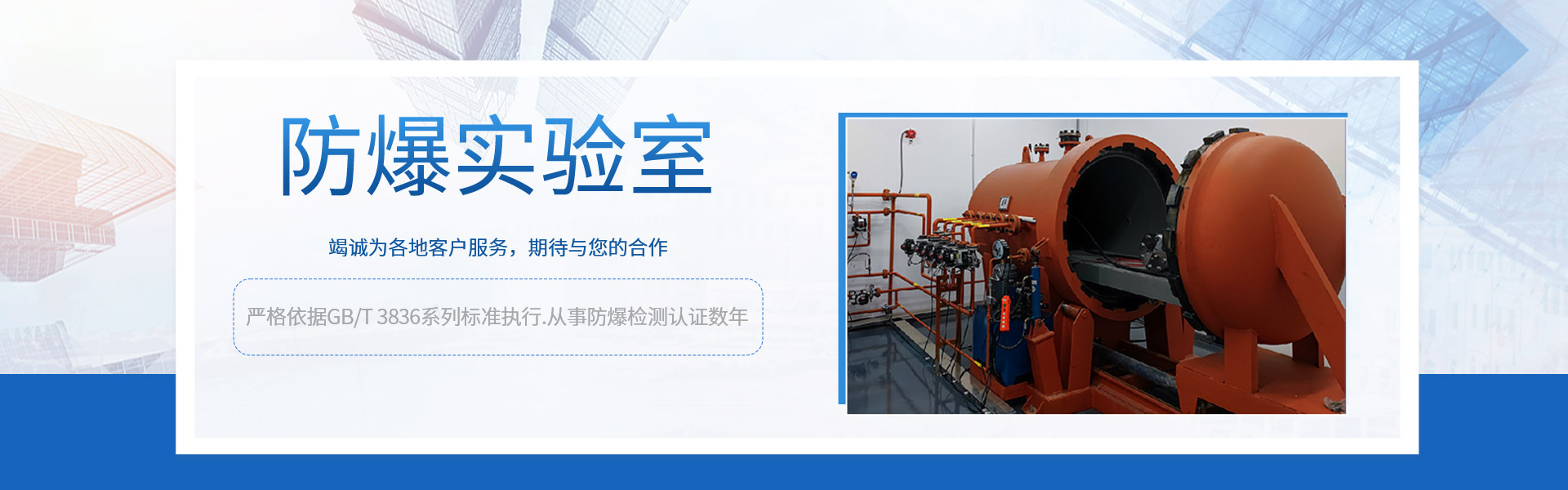
Due to time constraints, that's all for the questions and precautions regarding explosion-proof cameras. If you need to apply for an explosion-proof certification, also known as an explosion-proof certificate, feel free to contact us directly. We have an independent and large-scale explosion-proof laboratory, and it takes approximately 2 months to issue the certificate.
