
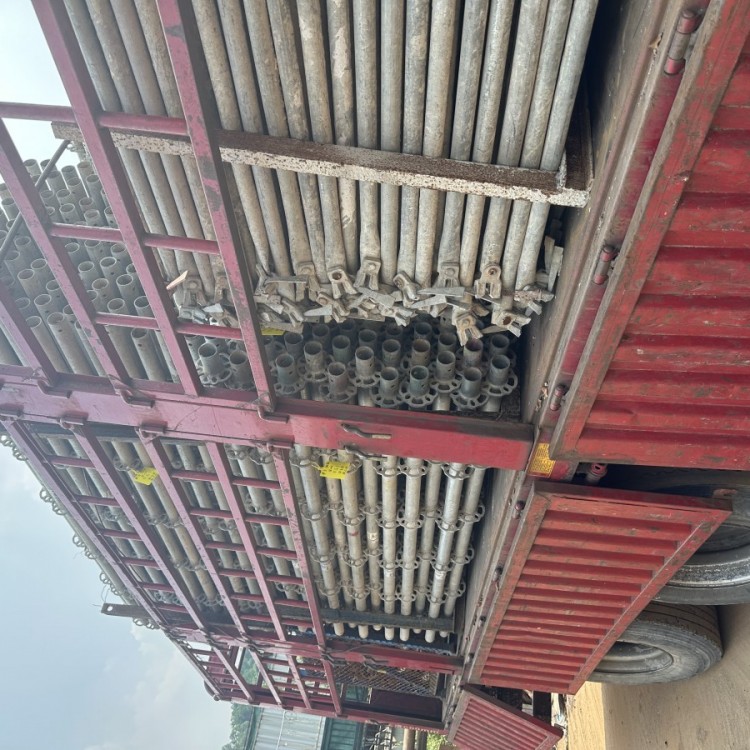
 Non-Ferrous Metal Recycling - Guangzhou Scrap Iron Recycling Company
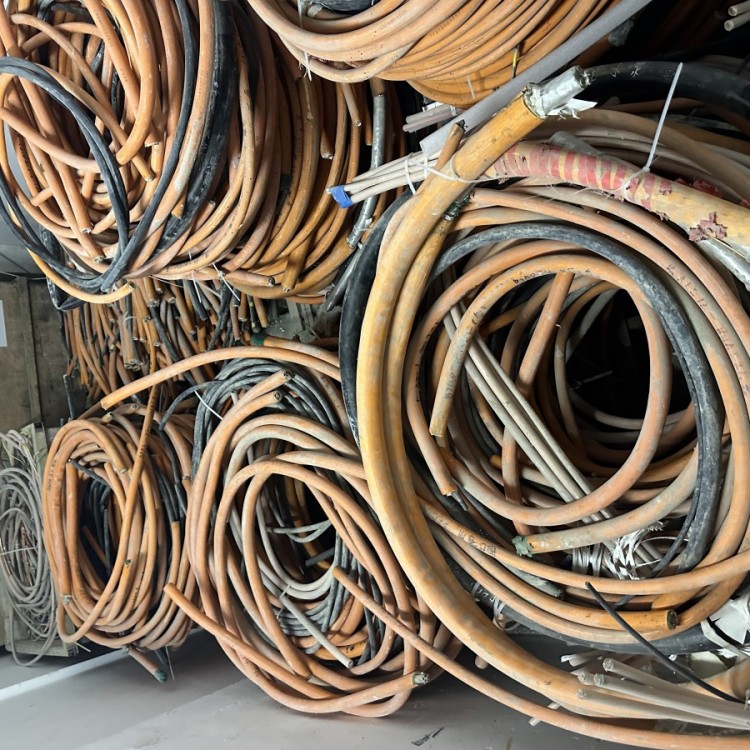 Guangzhou Scrap Cable Recycling Company - Waste Wire Recycling
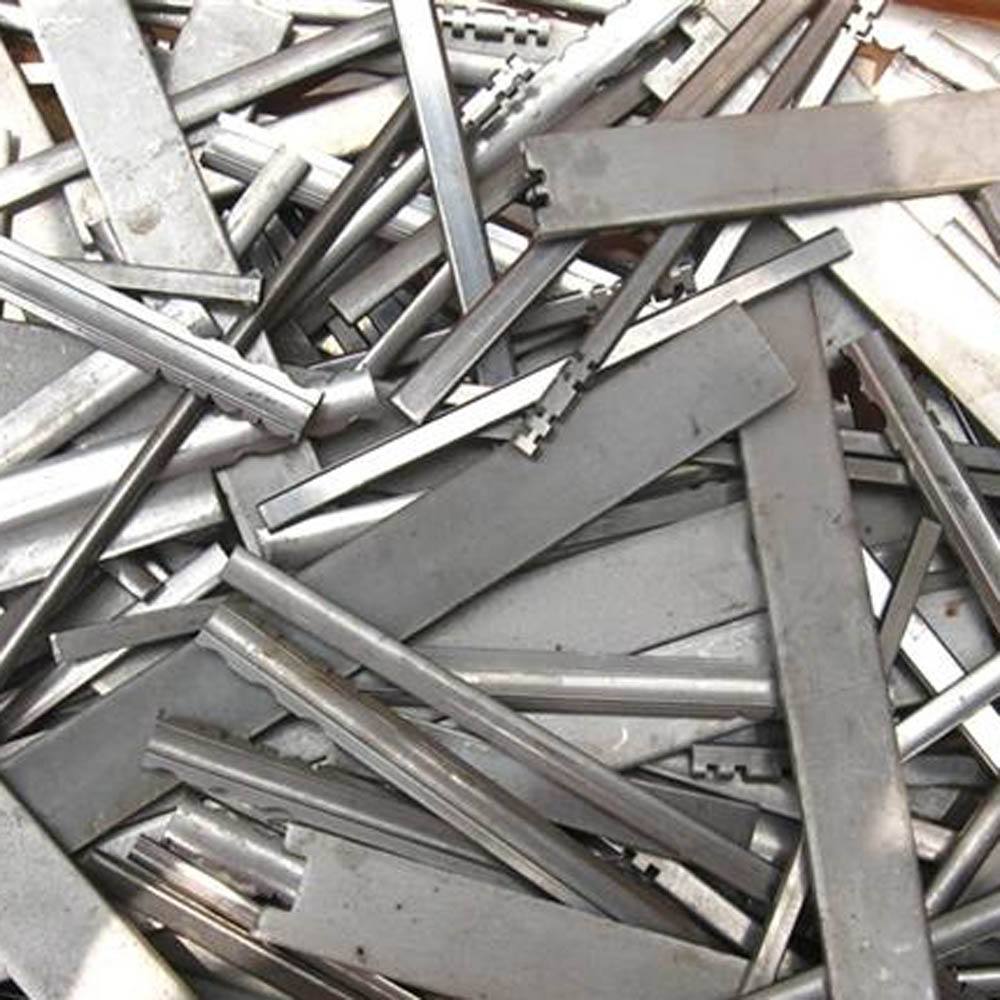
 Guangzhou stainless steel recycling price, Stainless steel shavings recycling, Highest national price, Official platform
 Guangzhou Scrap Iron Recycling Company - Stainless Steel Recycling - High Price Recycling
Product Details

Guangzhou Stainless Steel Recycling Company, Guangzhou Aluminum Scrap Recycli...



产品Price 11000.00/tons
最小起订Quantity:1 tons 供货总Quantity: 10000 tons


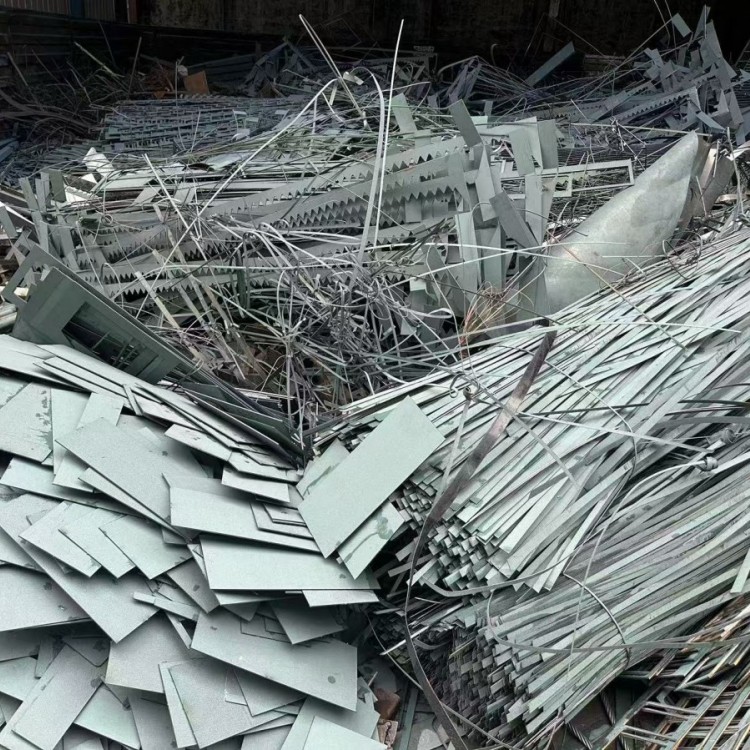 Guangzhou stainless steel recycling quote, 304 stainless steel recycling, on-the-spot settlement
Negotiable
Guangzhou stainless steel recycling quote, 304 stainless steel recycling, on-the-spot settlement
Negotiable
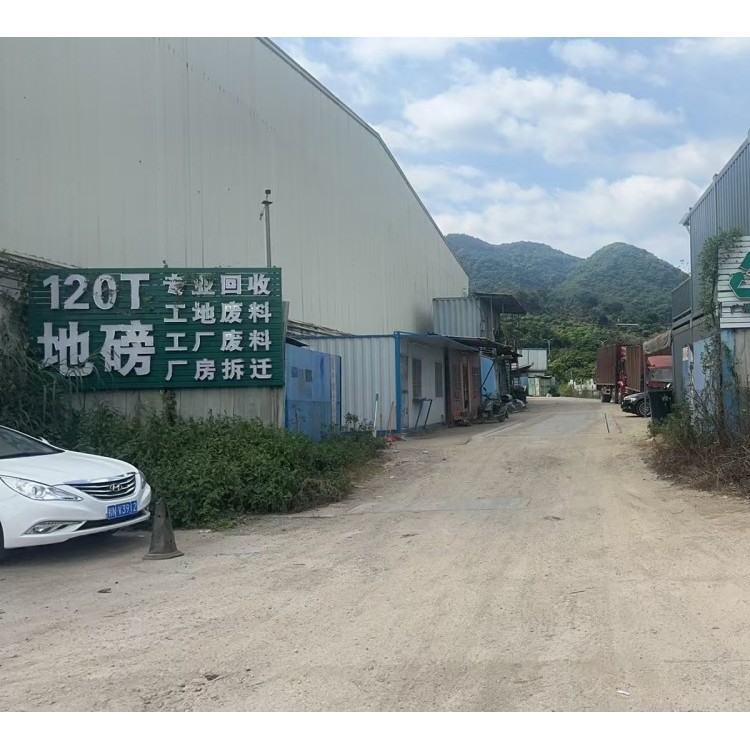 Guangzhou Used Mold Recycling, Factory Scrap Mold Recycling, High Price Purchase
Negotiable
Guangzhou Used Mold Recycling, Factory Scrap Mold Recycling, High Price Purchase
Negotiable
 Guangzhou aluminum alloy recycling price, 316 stainless steel recycling, nationwide collection
¥11800.00
Guangzhou aluminum alloy recycling price, 316 stainless steel recycling, nationwide collection
¥11800.00
Origin |
|
Specs |
Block |
Type |
Scrap Recycling |
Brand |
Green Wide |
Model |
Scrap Aluminum |
Application |
Recycled and Reusable |
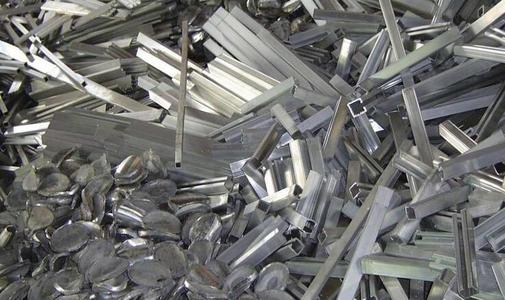
For scrap aluminum products, they must be disassembled to remove steel and other non-ferrous metal parts connected to the aluminum, followed by cleaning, crushing, magnetic separation, and drying to produce scrap aluminum. For thin, loose, and flake-like scrap aluminum parts such as lock arms on cars, speed gear shaft sleeves, and aluminum shavings, they should be packaged using hydraulic metal baling machines. For steel-core aluminum conductors, the steel core should be separated first, and then the aluminum wire should be coiled into rolls. Iron impurities are highly detrimental to the smelting of scrap aluminum. Excessive iron content can form brittle metal crystals in aluminum, thereby reducing its mechanical properties and weakening its corrosion resistance. The iron content should generally be controlled below a certain level. Scrap aluminum with iron content above this level can be used as a deoxidizer in the steel industry, while high-iron content scrap aluminum is rarely used in the smelting of commercial aluminum alloys. To date, there is no very successful method in the aluminum industry that can satisfactorily remove excessive iron from scrap aluminum, especially iron present in the form of stainless steel. Aluminum scrap often contains organic non-metallic impurities such as paint, oils, plastics, and rubber. Before being remelted, it must be addressed. For wire-type scrap aluminum, measures such as mechanical grinding or shearing, heating separation, and chemical separation are generally used to remove them. Many domestic companies currently use high-temperature ablation to remove insulators, which generates a large amount of harmful gases, severely polluting the air. By combining low-temperature baking with mechanical stripping, the insulators can be softened first by heat, followed by mechanical stripping. This method can achieve both purification and the recovery of insulator materials. For the coating, oil stains, and other contaminants on waste aluminum containers, cleaning methods can be employed. If these methods are insufficient, paint stripping in a paint stripping furnace should be considered. The high temperature in the paint stripping furnace should not exceed 566°C, as the material needs to remain in the furnace long enough for typical oils and coatings to be thoroughly cleaned. For aluminum foil paper, it is challenging to effectively separate the foil layer from the fiber layer using standard waste paper pulping equipment. Effective separation involves first heating and pressurizing the aluminum foil paper in a water solution, then rapidly expelling it into a low-pressure减压 chamber, and subsequently mechanically agitating it. This process can recover both the fiber pulp and the aluminum foil. The liquefaction and separation of scrap aluminum is the future direction for the recycling of aluminum metal. It combines the pretreatment of scrap aluminum with remelting, shortening the process flow while significantly reducing air pollution and greatly improving the recovery rate of pure metal. The liquefaction and separation unit features a filter that allows gas particles to pass through. In the liquefaction layer, aluminum settles at the bottom, and organic substances like paint attached to the scrap aluminum are decomposed into gas, tar, and solid carbon at 450°C, which are then completely separated by the oxidation unit inside the separator. The waste material is mixed with the solution in the storage tank through agitator鼓搅拌, with sand, stone, and other impurities separated to the sand and stone separation area. The solution carried out by the waste material is returned to the liquefaction tank via a recovery propeller. Scrap aluminum can be categorized by source into new aluminum scrap (productive scrap) and old aluminum scrap (domestic scrap). New aluminum scrap refers to process waste and non-conforming products generated during the processing of aluminum materials. Old aluminum scrap refers to aluminum materials that have been discarded after social consumption, such as aluminum windows and doors, aluminum castings for cars, and waste aluminum cans, as well as aluminum scrap that has been recycled from new aluminum scrap entering the social recycling stream. In industrial structural metals, aluminum is highly recyclable, and its再生效益 is significant as well. Due to its excellent corrosion resistance, aluminum products are almost never corroded during use, except for certain aluminum chemical containers and equipment. Such as architectural aluminum doors and windows, high-voltage transmission and distribution lines, and transportation vehicles. Aluminum Structure Material Recycling Co., Ltd. regularly purchases scrap metals and materials at high prices. We offer on-site cash collection services for various scrap materials from all entities. Looking forward to serving you! Methods for recycling and processing scrap aluminum 1. Refine and remelt Scrap aluminum must be dried before melting to remove moisture, lubricants, oil, etc. Reverse drying furnaces and box dryers are generally available. Modern drying production lines are equipped with exhaust gas combustion chambers and dust collectors to purify the discharged waste gas and wastewater. Most recycled scrap aluminum is remelted to produce new ingots or, for a small portion, is directly processed for reuse. Pre-processed scrap aluminum is melted, refined, and alloy composition adjusted inside the furnace, typically in a reverberatory or electric furnace. The furnace has a two-chamber design (preheating chamber and melting chamber). Refining is a crucial step in the melting process, involving the addition of flux to the molten aluminum or alloy surface to prevent oxidation by air, while also introducing a liquid to create turbulence and promote the separation of impurities. Refining gases include nitrogen and other mixed gases. 2. Heavy Medium Separation Aluminum alloys with different compositions have varying densities, which can be effectively separated using heavy medium separation. Heavy medium separation is considered one of the effective gravity separation methods, as it processes materials with a higher cost method while maintaining relatively low basic investment and operational costs to achieve the final product. Generally, aluminum-magnesium alloys and aluminum-magnesium-silicon alloys have lower densities compared to aluminum-zinc alloys, aluminum-copper alloys, and aluminum-silicon alloys. The heavy medium separation method effectively sorts them based on their densities. Recycling classification is particularly important, as the processing is conducted based on this classification. Sorting first and then treating according to different characteristics can effectively recycle aluminum. Well, that's all for the recycling methods of scrap aluminum, as explained by the editor of Quanzhou Waste Recycling Mingrui. Guangzhou Green Wide Waste Recycling Co., Ltd. main business: Guangzhou Scrap Aluminum Recycling: Scrap aluminum wire, scrap cast aluminum, scrap wrought aluminum, scrap aluminum alloy, scrap PS plate, aluminum foil, aluminum slag, aluminum wire, aluminum shavings, etc.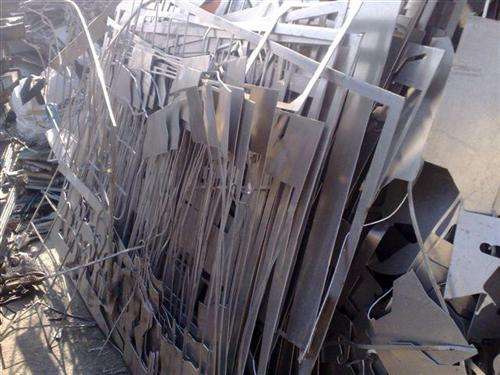

Phone Consultation