

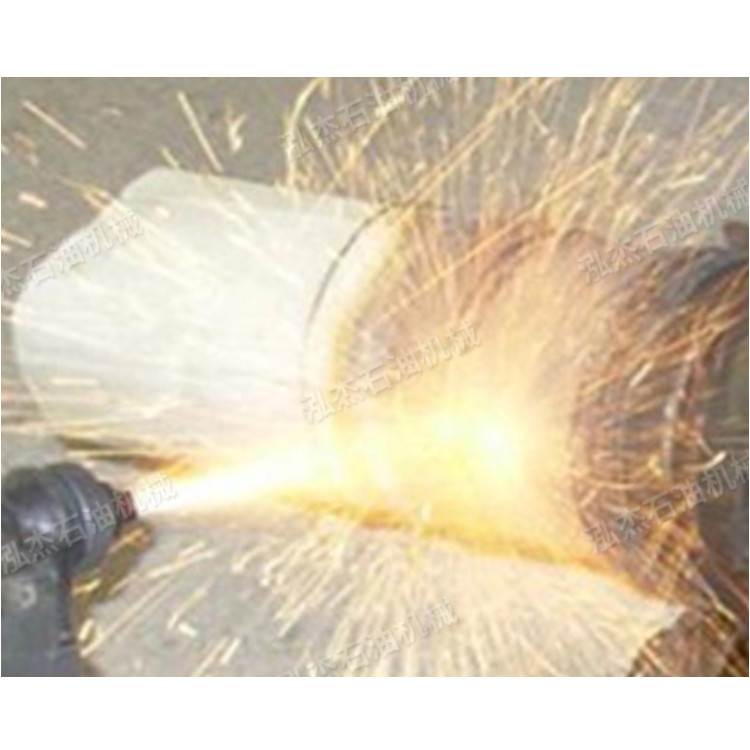


Arc Supersonic喷涂This technology utilizes an electric arc generated between two continuously fed metal wires to melt the metal. It then uses a high-speed jet of air to atomize the molten metal, accelerating the atomized metal particles to spray onto the workpiece and form a coating.Supersonic Spray PaintingTechnology applied to the production of in-process machine parts significantly enhances their mechanical properties and service life, aligns with the requirements for material and energy conservation, and achieves the goal of repairing and utilizing waste, resulting in favorable economic returns.
Arc-supersonic spraying has been widely applied in cement plants, power plants, and other enterprises with wear-resistant equipment. This technology plays an increasingly significant role in extending the service life of production equipment in these enterprises, ensuring the normal operation of the equipment, and reducing energy consumption. However, it requires highly skilled operators, typically experienced technicians, to ensure the quality of the coating.
Arc supersonic spray distance refers to the straight-line distance from the nozzle face to the substrate surface. The spray distance is the flight distance of the spray particles, during which their speed and temperature change. The particle flight speed accelerates first and then decelerates. The particle temperature decreases as the distance increases.
Therefore, when the spray spacing is too large, the temperature and kinetic energy of the particle impact on the substrate surface are insufficient to produce adequate deformation, reducing the bonding strength of the coating. It also leads to more particle rebound and loss, thereby lowering the deposition efficiency. Additionally, due to the contamination of the surrounding atmosphere, oxidation tends to be severe, resulting in an increase in oxidation slag inclusions in the coating.

