
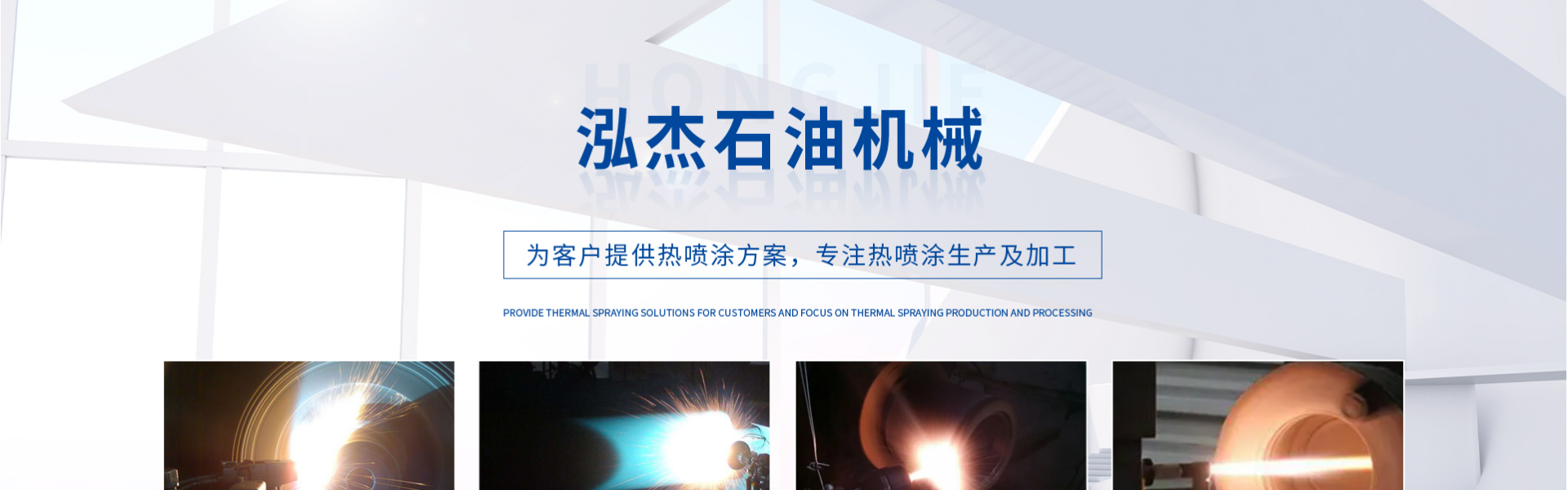
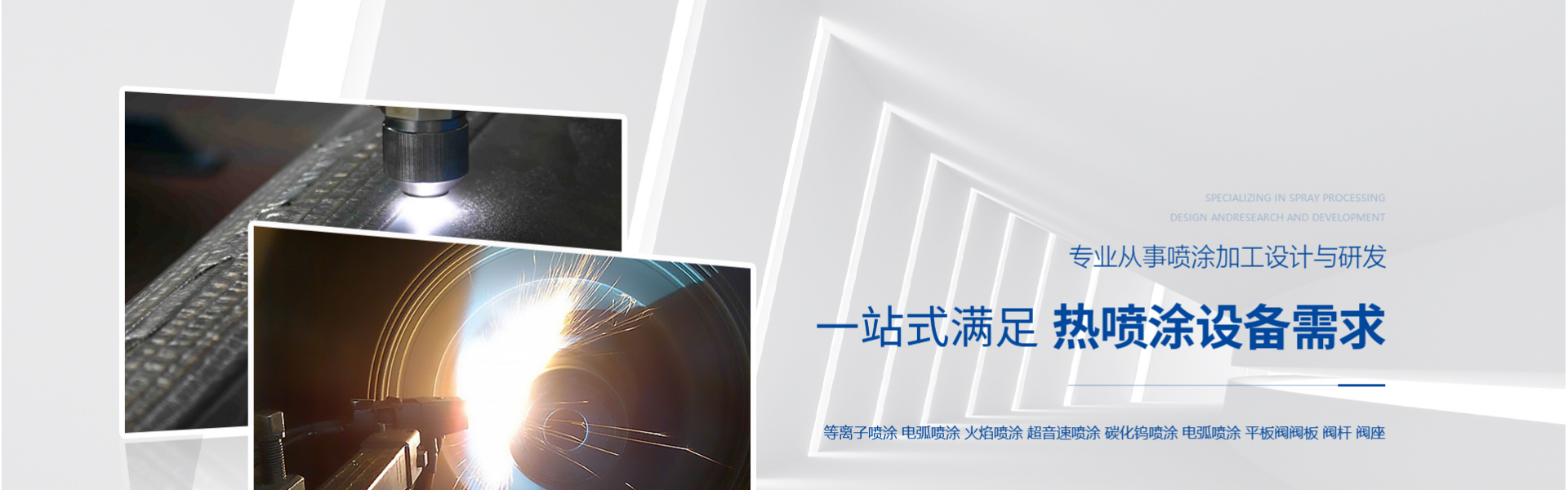
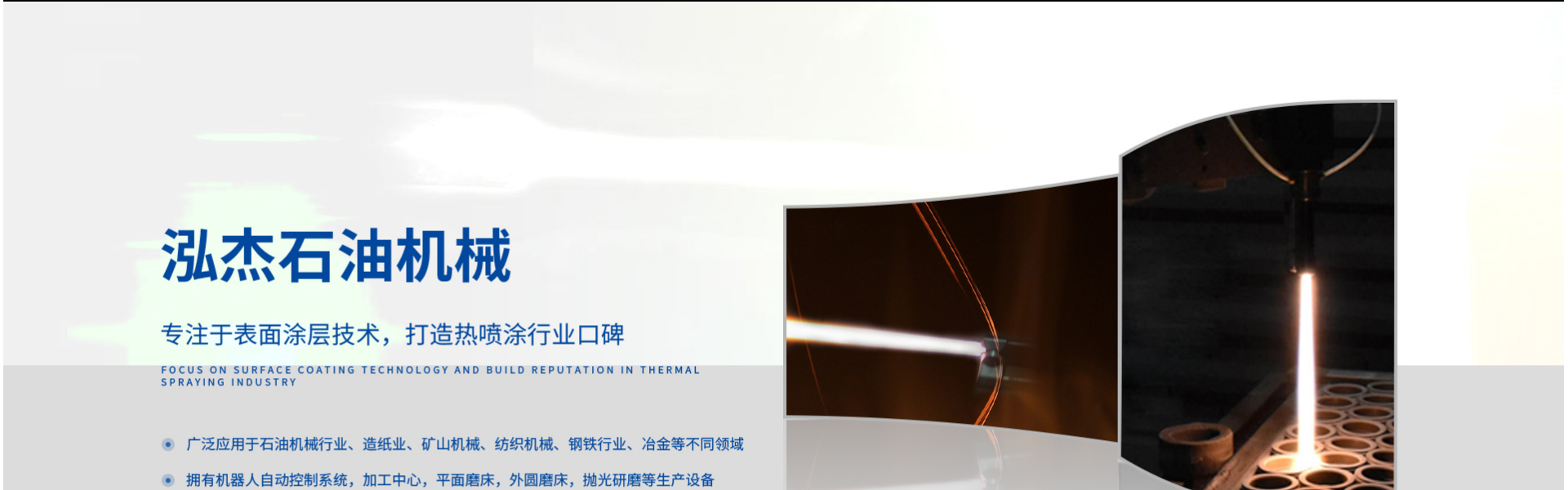

Plasma SpraySpray particle splatter during the process is a common challenge that may affect the evenness, adhesion, and overall quality of the coating. Here are some suggestions to help address this issue:
Initially, optimizing the spray parameters was crucial for addressing the key issue of paint splatter. Electric power is a significant factor affecting the spray quality. Insufficient electric power can lead to incomplete melting of the powder particles, resulting in reduced deposition rate due to excessive elasticity upon contact with the substrate; conversely, excessive electric power can cause severe oxidation and ablation of the powder particles, accompanied by a large number of liquid phase particles splattering. Therefore, it is necessary to adjust the electric power to an appropriate range based on the properties of the powder material and substrate to ensure complete melting and stable deposition of the powder particles.
Next, the selection and control of the main gas in plasma spraying significantly affect the spraying effect. Typically, the main gas is argon (Ar), and its flow rate directly impacts the state of the plasma flame and the melting of powder particles. Excessive gas flow may carry away more powder particles, resulting in insufficient heat to melt all the particles; conversely, insufficient gas flow may prevent the plasma arc from reaching the required temperature, affecting particle melting. Therefore, fine-tuning the gas flow rate is necessary to balance the intensity of the plasma flame and the melting requirements of the powder particles.
Additionally, the spray distance is a critical factor that requires careful consideration. A spray distance that is too great may reduce the speed and temperature of the particles upon reaching the substrate surface, whereas a distance that is too small may prevent the particles from fully melting within a short period, while also being heavily influenced by the plasma flame. Therefore, it is necessary to find an appropriate spray distance to ensure that the particles arrive at the substrate with the proper speed and temperature, thereby achieving high-quality coating deposition.
In addition to the above parameter adjustments, the speed of the spray gun's movement is also a factor affecting the coating effect. Although the impact of the spray gun's movement speed on the coating process is relatively minor compared to other parameters, excessively fast movement can lead to uneven coatings, while too slow movement may increase coating time and costs. Therefore, it is necessary to select an appropriate spray gun movement speed based on the actual situation.
Additionally, regular maintenance and inspection of the spray equipment are crucial measures to address the issue of spray particle splatter. Equipment aging or wear can lead to unstable spraying and increase the risk of particle splatter. Therefore, it is necessary to regularly maintain and inspect the equipment to ensure its optimal working condition.
In summary, addressing the issue of particle spatter during plasma spray processes requires a multi-faceted approach, including optimizing spray parameters, selecting appropriate spray gases and flow rates, adjusting the spray distance, controlling the gun movement speed, and performing regular maintenance on the spray equipment. By employing these measures comprehensively, the spatter problem can be significantly reduced, enhancing the uniformity, adhesion, and overall quality of the coating.
Please note that the aforementioned suggestions are based on general experience summaries and may require adjustments and optimizations according to specific powder materials, substrate materials, and coating requirements. Therefore, it is recommended to conduct thorough testing and verification in practice to identify suitable spray process parameters and conditions.
