

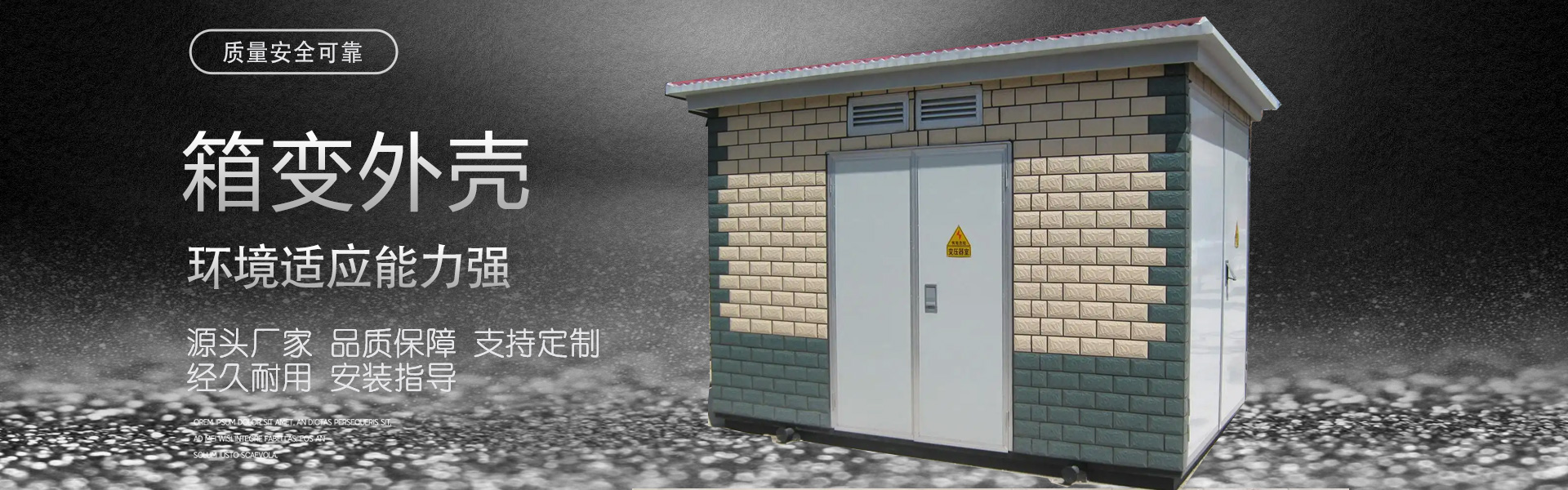
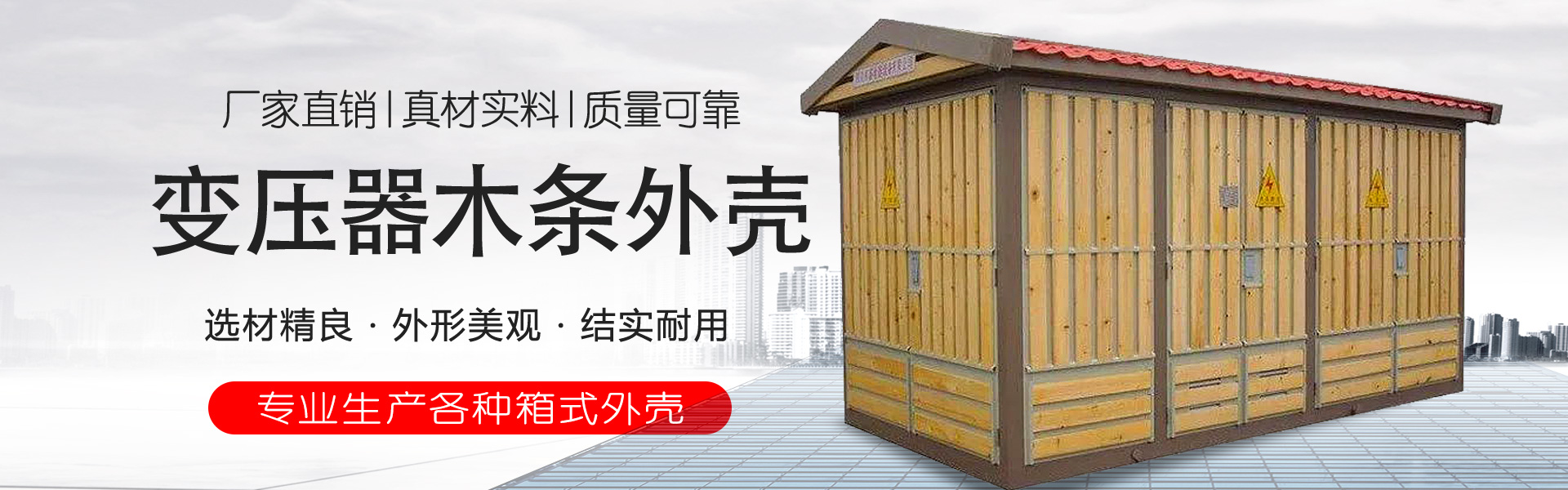
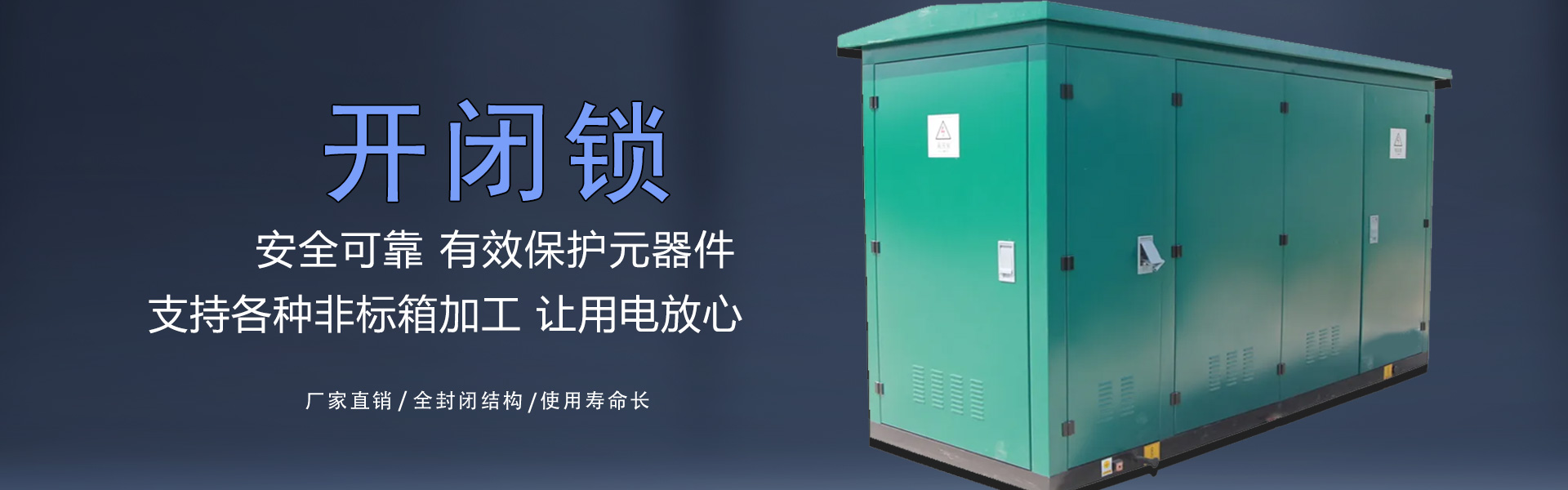

It's widely known that the internal equipment of transformer enclosures, including some delicate electronic components, must operate in a dust-free or low-dust environment. Maintaining such an internal environment is primarily achieved through dust-proof meshes on the ventilation louvers of the transformer enclosure. With so many types of dust-proof meshes available on the market, how should one choose the right one?
To ensure the operation of the transformer's casing does not release trace amounts of arc particles and flammable gases from the micro-computer relay protection components and some fuses, ventilation windows are required on the walls of the concrete transformer casing. The existing ventilation windows typically feature waterproof louvers, which are usually equipped with dust-proof screens to prevent dust from entering.
Currently, the market offers various dust-proof nets, including non-woven fabric, dust-proof foam, metal, plastic, and nylon rope types. However, these dust-proof devices are not suitable for use as the dust-proof net on the ventilation louvers of cement box transformers without processing. For instance, while dust-proof foam may be small in category, it is not designed for ventilation and heat dissipation. The non-woven fabric dust-proof net, though lightweight in structure, is flammable. Additionally, the nylon dust-proof net, with its large hole spacing and regular arrangement, is not ideal for effective dust-proofing.
Many transformer box shell manufacturers, when selecting dust-proof screens for transformer box ventilation louvers, don't just look for their basic dust-proof characteristics. They also require them to neutralize charged particles inside the transformer by absorbing electromagnetic radiation emitted by the equipment during operation. This neutralization reduces the generation and release of air-phase ions, which can cause dangerous phenomena such as electrical arcs leading to equipment ignition. An interesting phenomenon is that charged particles tend to adhere to larger airborne dust particles, thereby assisting in dust removal within the equipment while balancing the charged particles.
Therefore, when selecting dust-proof nets for the ventilation louvers on the added cement box transformer外壳, opt for those with higher mesh counts. These dust-proof nets are typically composed of alloys of silicon metal that have been treated with static ink, which are softer and inherently contain a greater number of neutral ions. The metal filter dust-proof nets are equipped with relatively stable fine conductive wires, which alter the properties of charged ions, ensuring the internal balance of the transformer and enhancing its dust-proofing effectiveness, thereby guaranteeing the safety of precision components.
Therefore, it is crucial to select a dust filter for the ventilation louver on the transformer box shell. This module should be treated with great importance during the construction of the transformer box. It is advisable to choose a highly reliable transformer box shell manufacturer for construction to ensure the smooth operation of the subsequent equipment!


