

- AllProduct Category
-
Other Equipment
Concentration Equipment
Drying & Dispersing Equipment
Fermentation, Extraction, Filtration Equipment
Complete Equipment Set
Tower Products
Blended Tank
Tank
Heat Exchanger Condenser Equipment
Reacting Kettle Agitator Equipment







详情描述
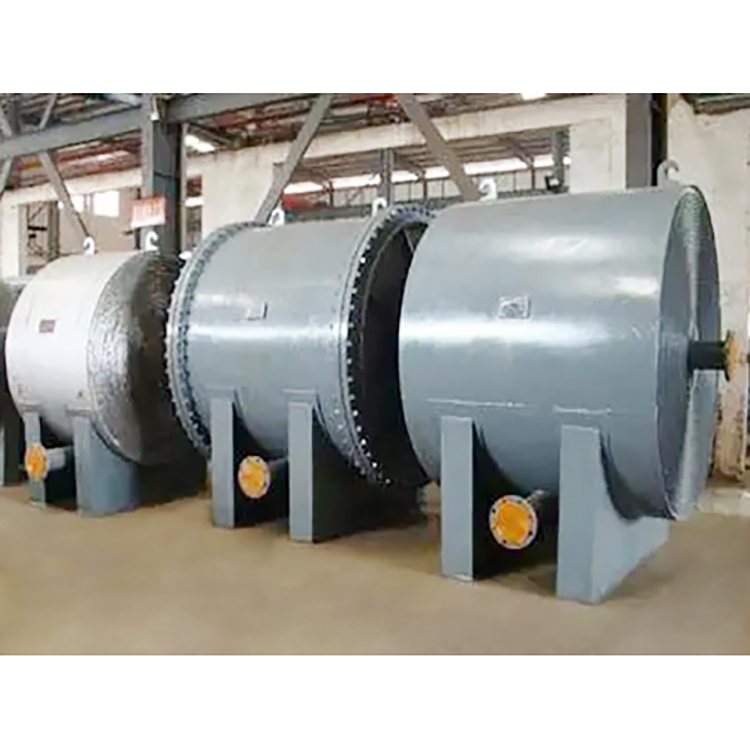
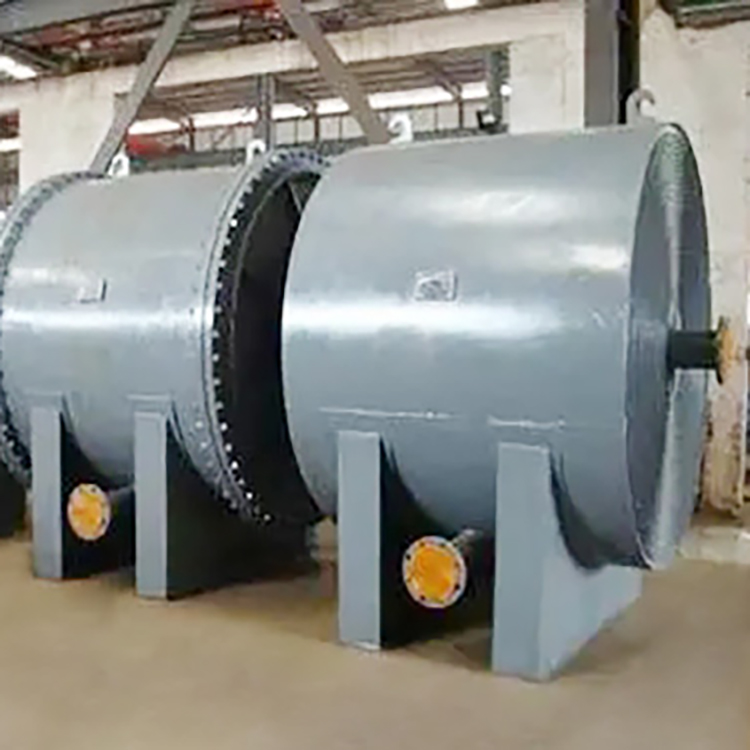
Spiral Plate Heat Exchanger
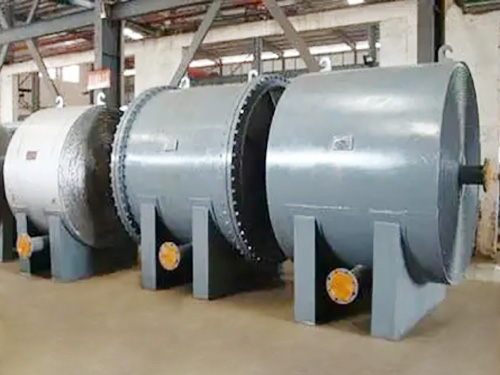
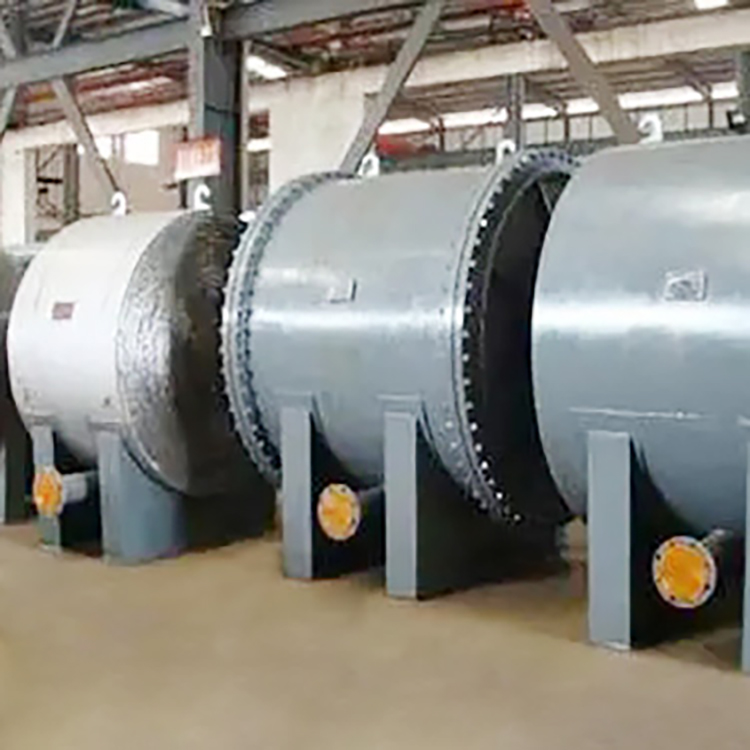
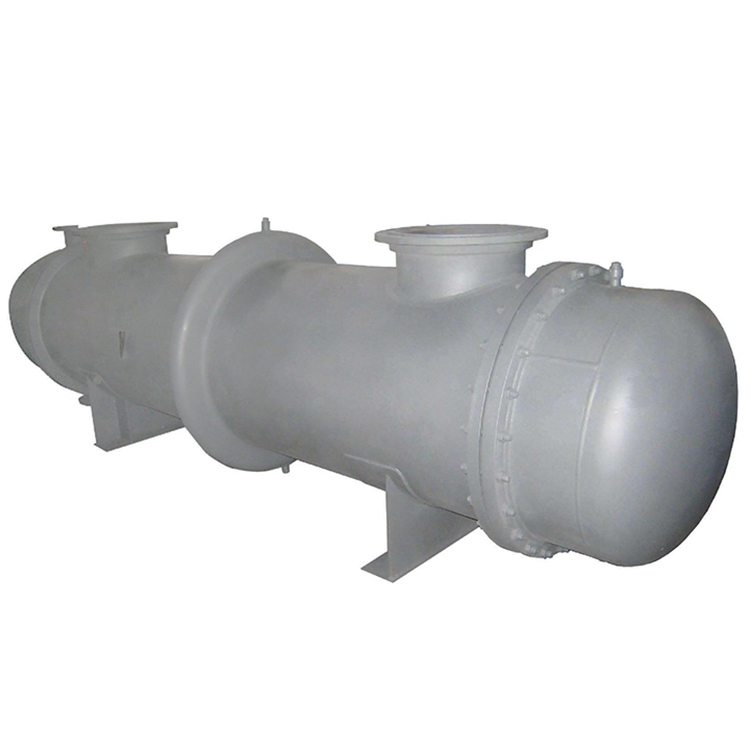
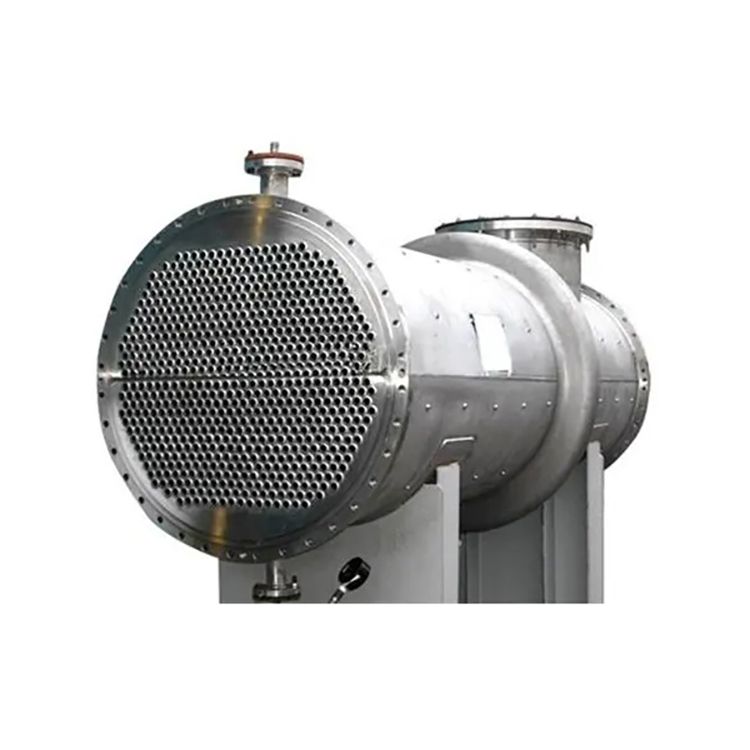
The spiral plate heat exchanger, proven by years of practical use, is indeed an efficient heat exchange equipment. It is applicable in industries such as chemistry, petrochemicals, solvents, food, light industry, textiles, metallurgy, rolling steel, and coking. The heat exchanger absorbs contemporary international technology and is manufactured with a unique optimized design as a liquid-liquid and vapor-water heat exchanger. The product structure and process adhere to the standards of the Swedish "Alfa Laval" company, utilizing beveled edge argon arc welding at the spiral plate ends, and the "top distance column" special process for capacitive storage contactors, enhancing both the internal and external quality.
The rigid spiral plate heat exchanger is designed according to the form of the non-detachable spiral plate heat exchanger as specified in the JB/TQ724-89 machinery department standard, with basic parameters and dimensions. It boasts advantages such as simple manufacturing, low cost, small size, and good heat transfer performance. However, it also has its limitations, such as the inability to be mechanically cleaned and difficulty in repair if damaged. The selector should choose the specific equipment based on the actual conditions of the project to ensure its effectiveness.
Structure and Performance
1. This equipment is suitable for liquid-liquid, gas-gas, and gas-liquid heat transfer, which can be used in steam condensation and liquid evaporation heat transfer. It is applicable to various industrial sectors such as chemicals, petrochemicals, machinery, electricity, light industry, and textiles.
2. This equipment is made from two steel plates rolled into two even spiral channels, allowing for full countercurrent flow with two heat transfer cutoffs. It is suitable for heat transfer with small temperature differences, facilitates the recovery of low-temperature heat sources, and can accurately control the outlet temperature.
3. The connection on the housing is a tangential structure, featuring low local resistance. The helical channel has a uniform curvature, allowing the fluid to flow within the equipment without significant direction changes. This results in low total resistance, thereby enabling an increase in design flow rate, enhancing its heat transfer capability.
4. The ends of the helical channel are welded for a sealed closure, offering excellent sealing performance and a reliable structure.
5. Not easy to repair, especially difficult to repair internal plate issues; some factories remove all the welds at both ends of the equipment, flatten the plates and re-weld them before rolling them back. This method consumes too much labor time, and it is very important to choose a spiral plate heat exchanger for corrosion resistance.
6. Not suitable for mechanical cleaning, production practice has proven that spiral plate heat exchangers are less prone to clogging compared to traditional tube bundle heat exchangers. This is especially true for suspended particles like silt and small shell fragments, which are not easily deposited in the spiral channels. The analysis of the reasons includes: first, as it is a single-channel design, the sedimentation of impurities is counteracted by the recirculating flow that helps flush them away; second, there are no dead corners in the spiral channels, making it easier for impurities to be washed out.
7. Due to the presence of fixed-distance pillars supporting the channel spacing within the helical channel, there must be no fibrous impurities (cotton yarn, grass sticks, leaves, etc.) entering the interior of the heat exchanger.
Maintain strict control of the cooling water outlet temperature below the scaling temperature.
9. Common cleaning methods include steam blowing or alkali washing. Steam should be blown into the inlet to expel impurities from the equipment, and many manufacturers find this to be an effective approach.
Detachable Spiral Plate Heat Exchangers (Type II, Type III)
The structural principle is essentially the same as that of a non-disassemblable heat exchanger, but the channels can be opened for cleaning, and both ends are sealed with head flanges. Particularly suitable for liquid-liquid heat exchange involving sticky or sediment-containing fluids, as well as gas-liquid and steam condensation. Due to the need for additional components like head flanges and gaskets, the equipment cost is slightly higher than that of a non-disassemblable heat exchanger.
Basic Parameters
The nominal pressure PN for spiral plate heat exchangers is specified as 0.6, 1, 1.6, and 2.5 MPa (equivalent to the original 6, 10, 16, and 25 kg/cm²), referring to the maximum working pressure of a single channel. The test pressure is 1.25 times the working pressure.
The material for the contact part of the spiral plate heat exchanger with the medium is carbon steel Q235A, Q235AF, and stainless steel acid steel SUS321, SUS304. Other materials can be selected according to customer requirements.
Operating Temperature Range: Carbon steel: t=0~+350°C, stainless steel and acid-resistant steel: t=-40~500°C, the temperature and pressure reduction range shall comply with relevant regulations for pressure vessels. When selecting this equipment, appropriate process calculations should be made to ensure the fluid within the equipment channel reaches turbulent flow. (Typically, liquid velocity is 1m/sec, gas velocity is 10m/sec).
A single unit does not meet the usage requirements; multiple units can be combined for use, but the combination must adhere to the following regulations:
Parallel and Series Combinations: Equipment and channel spacing are identical. Mixed Combinations: One channel in parallel, one channel in series.
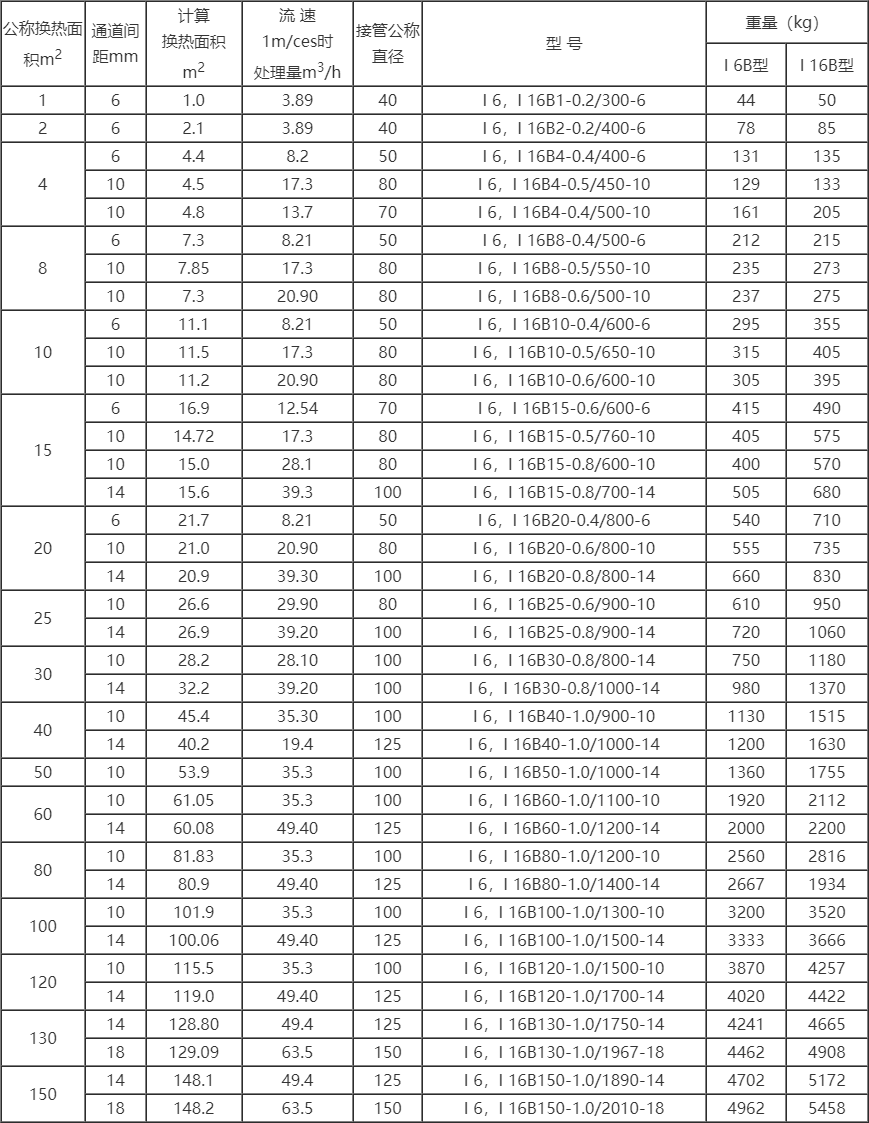
Stainless steel, acid-resistant PN 0.6, 1.6 MPa non-detachable (Type I) spiral plate heat exchanger.
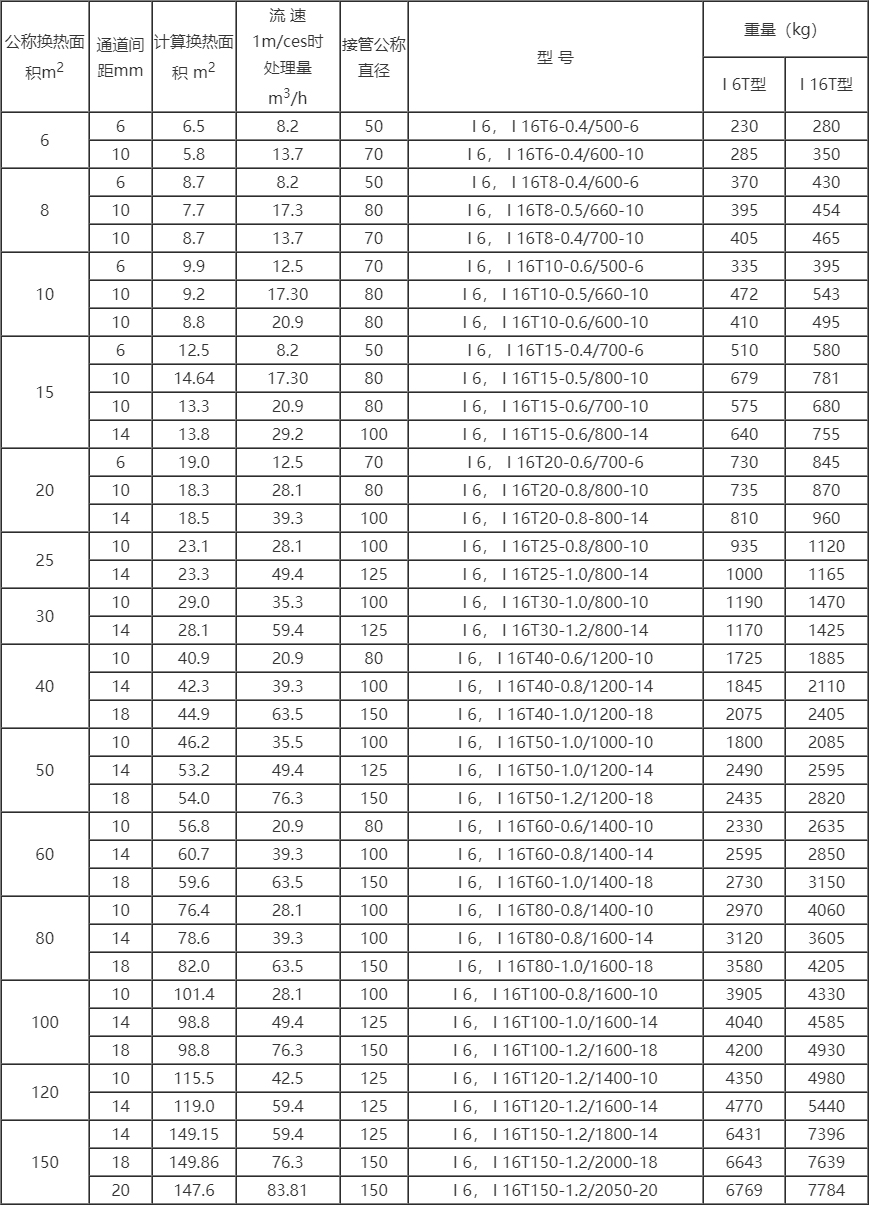
Technical Specifications
询价单


