


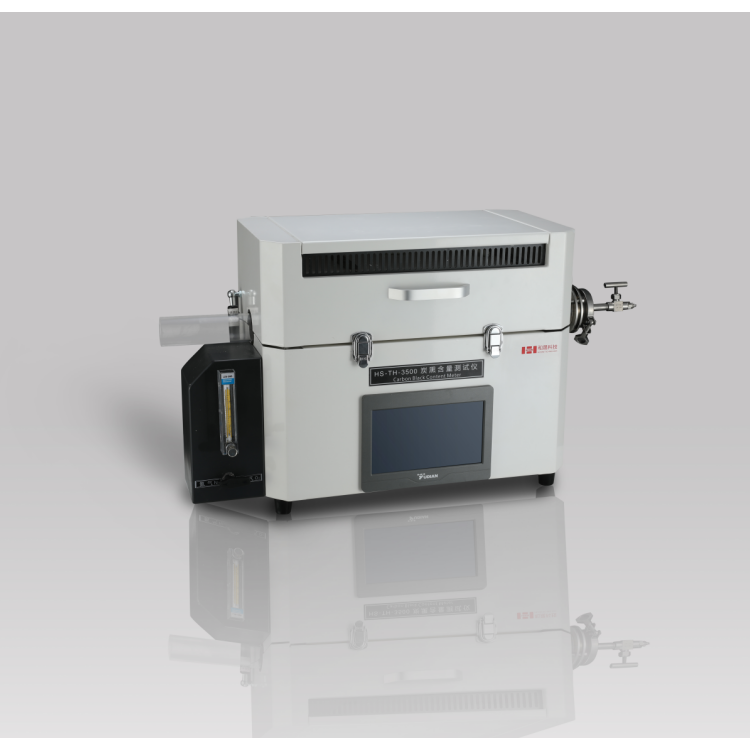
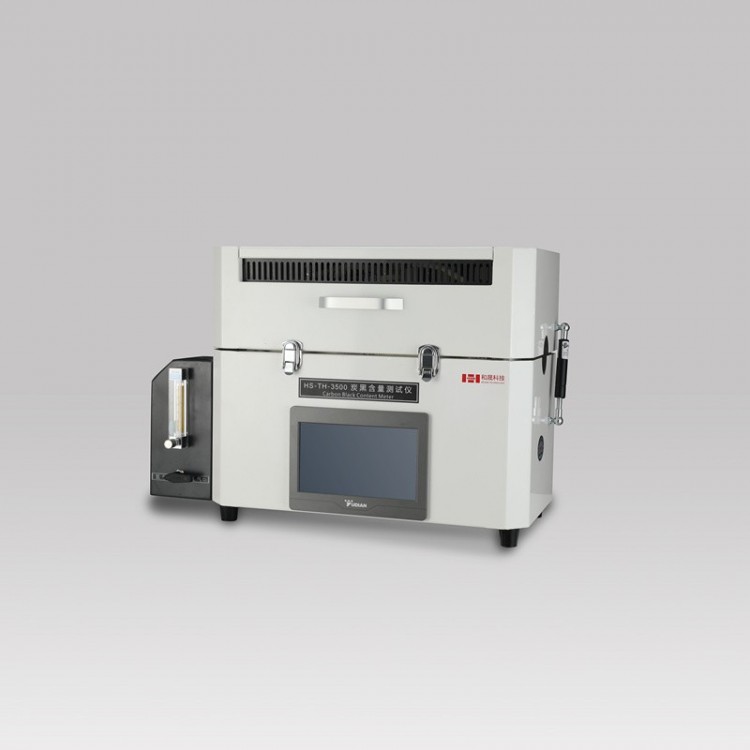
Carbon black content tester is suitable for the determination of carbon black content in polyethylene, polypropylene, and polybutene plastics. The test of carbon black is obtained through weight analysis after the sample is thermally decomposed under nitrogen protection. The instrument features ease of use, simple operation, accurate measurement, high precision, and high degree of automation. This product has obtained the national patent CN304128957S.
Meets Standards: ISO 6964, GB/T 13021, IEC 60811-4-1, GB/T 2951.41, JTG E50 T1165, etc.
"GB/T 2951.41-2008 General Test Methods for Insulation and Sheath Materials of Cables and Optical Fibers"
GB/T 3515-2005 "Determination of Carbon Black Content in Rubber - Pyrolysis Method"
GB/T 13021-2023 Determination of Carbon Black Content in Polyolefin Pipes and Fittings — Calcination and Pyrolysis Method
YDT 837.3-1996 "Test Methods for Copper Core Polyolefin Insulated Aluminum-Plastic Sheathed Indoor Communication Cables - Part 3: Test Methods for Mechanical and Physical Properties"
GB/T 13663.2-2018 Polyethylene (PE) Pipeline System for Water Supply — Part 2: Pipes
Why test the carbon black content?
The performance of plastic products is related to the amount of carbon black, which has the ability to block ultraviolet rays. The purpose of adding carbon black to plastic is to resist aging and adjust color. Testing the carbon black content is essentially assessing the quality of the plastic part.
Instrument Features:
1. The instrument boasts an aesthetically pleasing design and is easy to operate.
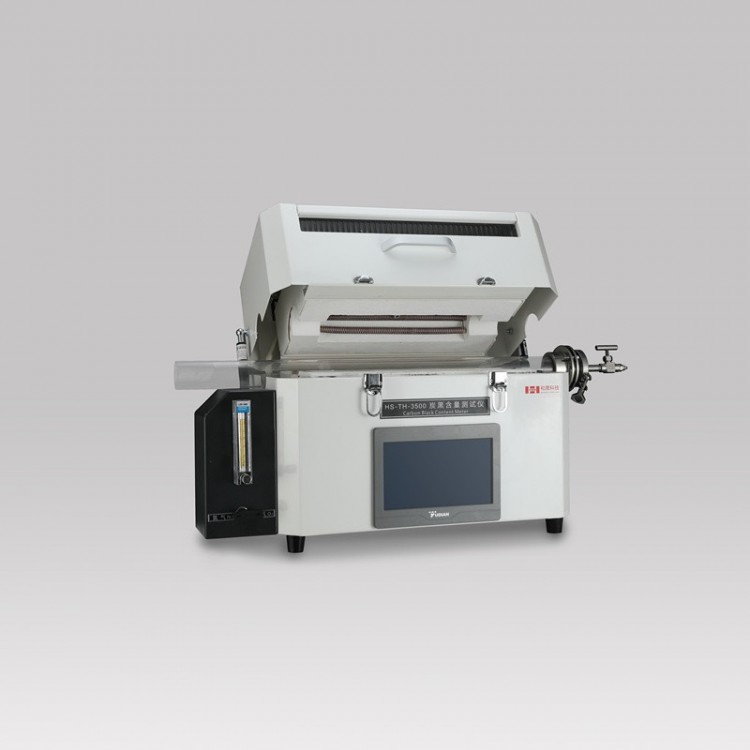
2. The furnace door structure is of an open type, facilitating the placement of samples and determining their positions.
3. High degree of automation; simply set the temperature value and heating time, the instrument will automatically heat up to the set value.
4. High temperature control accuracy, wide temperature range, and high uniformity of furnace temperature.
5, 7-inch LCD touch screen display, one-touch operation to start
6. Settable for constant temperature timing with high precision.
7. The instrument can be set for 30 different heating time periods, each with varying heating temperatures, heating rates, and holding times.
8. Parameter display includes the number of display settings, theoretical temperature, actual temperature, and heating time (or constant temperature time).
9. During the operation of the instrument, you can view the set parameters and the time for heating or maintaining a constant temperature.


