
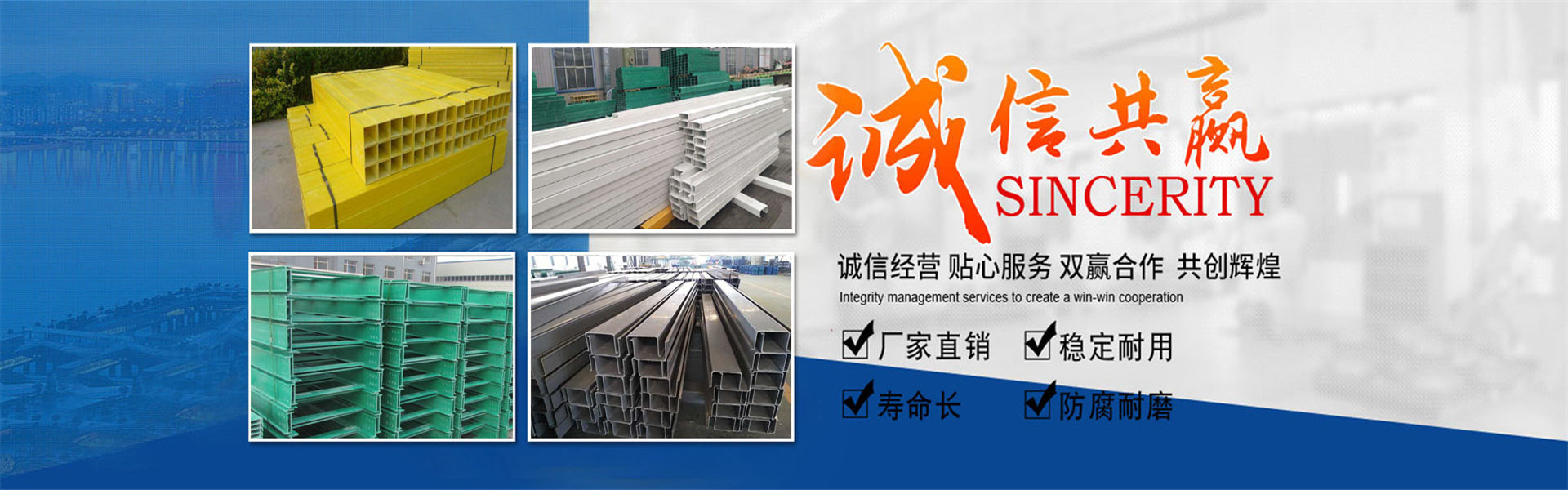


It's not uncommon for issues to arise with any item during use, and glass fiber bridge structures are no exception. One such issue is the occurrence of adhesive film on the bridge when exposed to high environmental temperatures. This problem is often seen in substandard bridge structures. So, what could be the cause of this issue?
Reasons for the adhesive mold phenomenon in glass fiber reinforced plastic bridge beams:
1. The molding temperature is too high or too low, with a temperature difference of 5 degrees between the top and bottom.
2. The mixed material has an excessively high viscosity.
3. Uncleaned molds or damaged molds
Insufficient yarn content
5. The resin system itself has inherent issues.
To better understand this situation, here are the phenomena that occur after the mucosa appears:
(1) The attachment is gray and flaky, appearing waxy to the naked eye. When the temperature is high (immediately after parking), its adhesion to the mold is weaker and it can be easily removed. However, once the mold cools, its adhesion becomes very strong, necessitating the use of metal tools to dislodge it.
(2) The attachment is insoluble in water, hydrochloric acid, and organic solvents. Upon combustion, it produces no flame but only sparks, leaving a powdery residue. This powder has a slippery texture and turns alkaline when dissolved in water. It is also soluble in hydrochloric acid. Based on these observations, the attachment is predominantly composed of alkaline inorganic substances, with a possible admixture of organic compounds.
If the quality of the glass fiber reinforced plastic bridge truss is not guaranteed, its function cannot be fully utilized, and it may even cause serious consequences during use. To address this issue, it is recommended that when purchasing, one should not solely focus on the price of the glass fiber reinforced plastic bridge truss. It is crucial to buy products from reputable manufacturers and to inspect the goods upon arrival to ensure they meet quality standards and the correct quantity before accepting delivery.

