
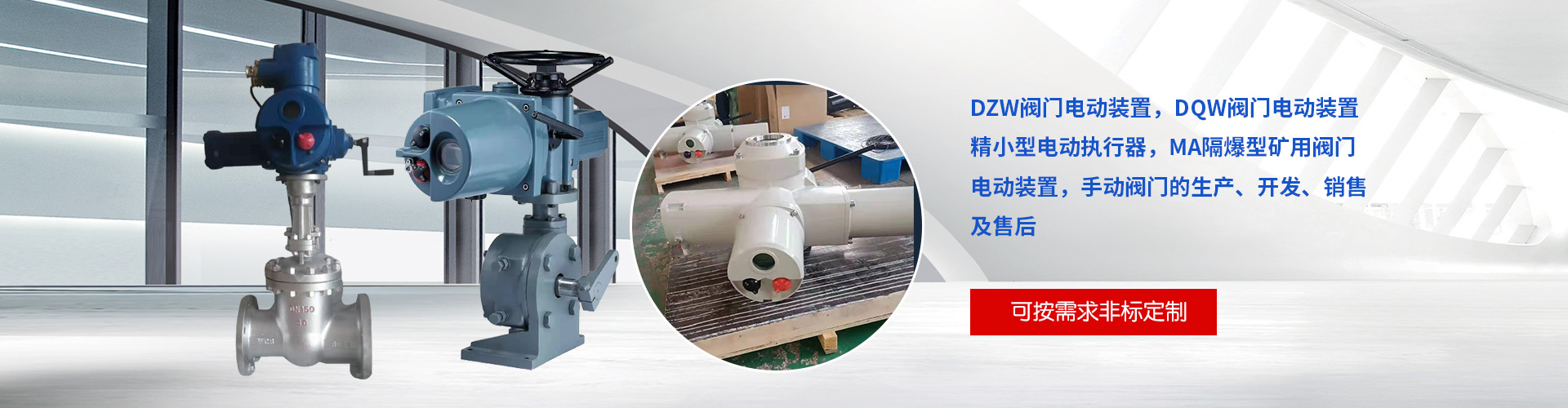

Electromagnetic valves, simply put, are controlled by electric actuators to open and close valves. They can be divided into two parts: the upper part being the electric actuator and the lower part being the valve. They have a higher torque-to-force ratio than electric valves, and the switching speed of electric gate valves can be adjusted. Their structure is simple and easy to maintain. Due to the cushioning properties of the gas itself during operation, they are less prone to damage from jamming, but they require a gas source and their control systems are more complex than those of electric valves. Electromagnetic valves are responsive and reliable, with many factories that require high control standards setting up compressed air stations specifically for pneumatic instrument control components. The essence of electromagnetic valves is that they require electricity and can control the flow of fluids.
Features:
The structure is compact, the design is rational, the valve has good rigidity, the channel is smooth, and the flow resistance coefficient is low.
2. The sealing surface is made of stainless steel and hard alloy, offering a long service life.
3. Equipped with flexible graphite filler plates, offering reliable sealing and easy, versatile operation.
4. Drive methods include manual, electric, pneumatic, gear-driven, and structural forms; elastic wedge-type single valve, rigid wedge-type single valve plate, and double gate valve types.
5. Widely applicable as an opening and closing device for medium in pipeline connections or cutoffs on oil, chemical, and thermal power plant steam and water pipelines.
6. The gate valves are easier to open and close.
Valves allow unrestricted medium flow direction, without causing turbulence or reducing pressure.
