


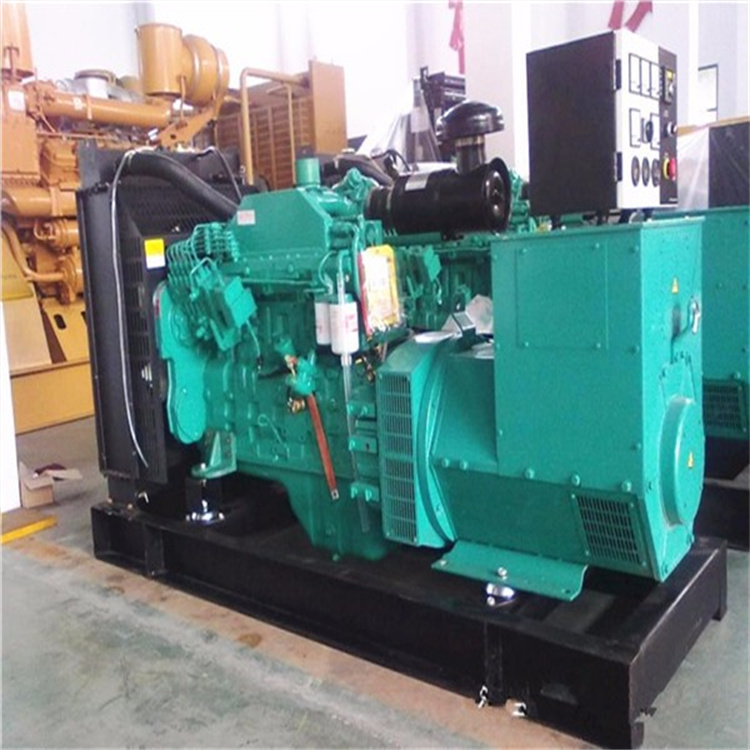
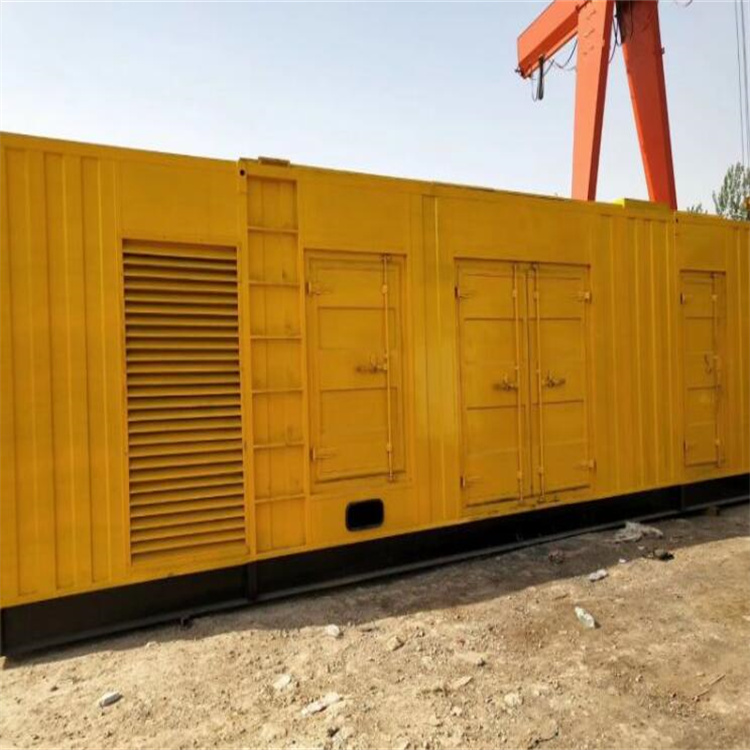
1. How to Save Fuel for Generators 1. Adjust the fuel injector's pressure. 2. Improve the diesel engine's coolant temperature. Higher water temperatures enable better combustion of diesel, reduce oil viscosity, decrease friction, and achieve fuel savings. 3. Maintain the correct fuel injection angle. An incorrect angle can lead to late fuel injection, significantly increasing fuel consumption. 4. Ensure the machine doesn't leak oil. Diesel engine fuel lines often have issues due to uneven joints, deformed or damaged washers. The solution is to paint the washers with valve paint, flatten them on a glass plate, and reattach the fuel lines. Add a diesel recovery system, using a plastic tube to connect the return line to the hollow screw, allowing the return oil to flow back into the tank. 5. Clean the fuel. More than half of the engine's problems are from the fuel supply system. The solution is to let the bought diesel settle for 2-4 days before use, which can remove 98% of impurities. Alternatively, place two layers of silk fabric or toilet paper at the oil tank's fuel filter. 6. Modify the "Big Horsepower for a Small Cart" scenario by appropriately increasing the diesel engine's belt pulley. Increase the water pump speed during lower engine speeds to increase flow and head, achieving energy-saving goals. 2. Storage Precautions for Generators 1. Drain the engine oil from the oil pan and refill it with clean oil. 2. Run the diesel engine at 500-800 rpm for 15 minutes, then stop and drain the oil. 3. Add Prot 30/M oil to the oil pan up to the oil level indicator. If Prot 30/M oil is unavailable, use MIL-2160B2 oil. 4. Drain the fuel from the fuel filter and the fuel supply line, then connect the intake pipe to a fuel tank containing CFB oil. 5. Run the diesel engine at 500-800 rpm for 15 minutes, then use a syringe to inject 60g of Prot 30/M oil into the intake manifold. 6. Drain the Prot 30/M oil while the engine is hot; this oil can be reused 2-3 times. Loosen the drive belt. 7. Remove the intake pipe from the tank and connect it to the fuel tank. 8. Seal the exhaust pipe, intake, breather, etc., with duct tape. 9. Hang the "Engine Without Oil" sign on the engine.
