

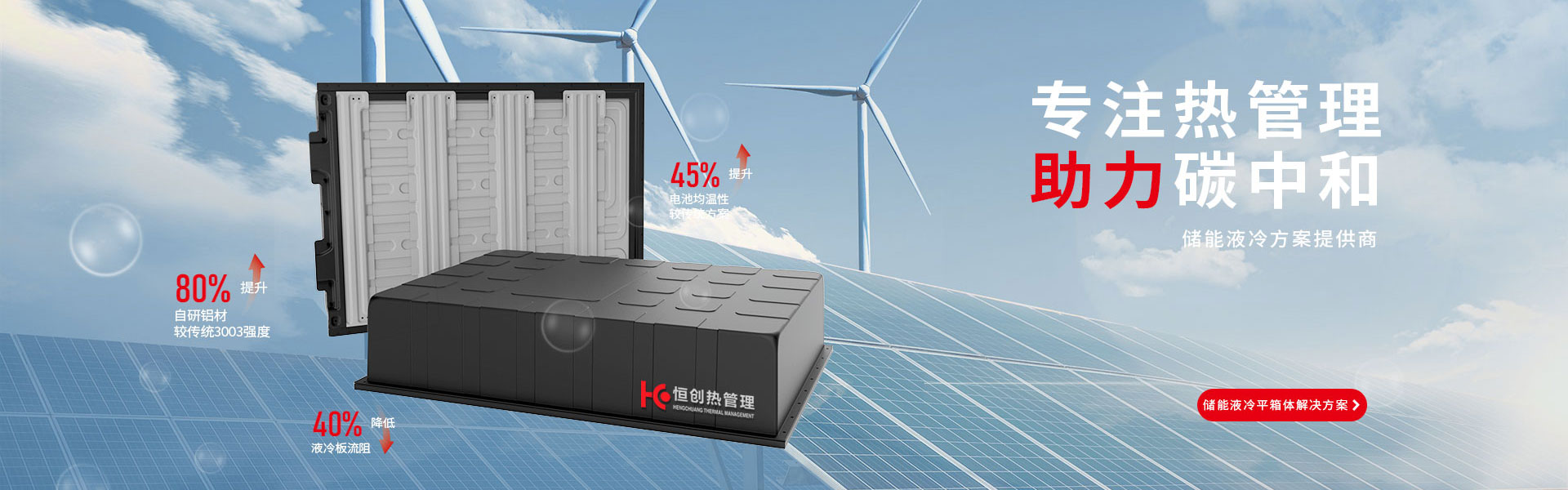

As the integration, miniaturization, and performance enhancement of various electronic devices and chips continue, their heat flux density has already exceeded 100W/cm², and it is still increasing year by year with technological advancement. At the same time, uneven heat distribution on electronic components can lead to hotspots, severely affecting the performance of electronic devices.
Heat sinks, as phase change heat transfer components, are widely used in the heat dissipation of electronic components. Not only can they quickly dissipate heat, but they also exhibit excellent uniform temperature performance, effectively addressing hotspots in electronic devices. Once heat is transferred to the heat sink, the working fluid within undergoes phase change and rapidly transfers the heat to the condensation end. With the application of appropriate cooling techniques at the condensation end, a complete cooling system is formed.
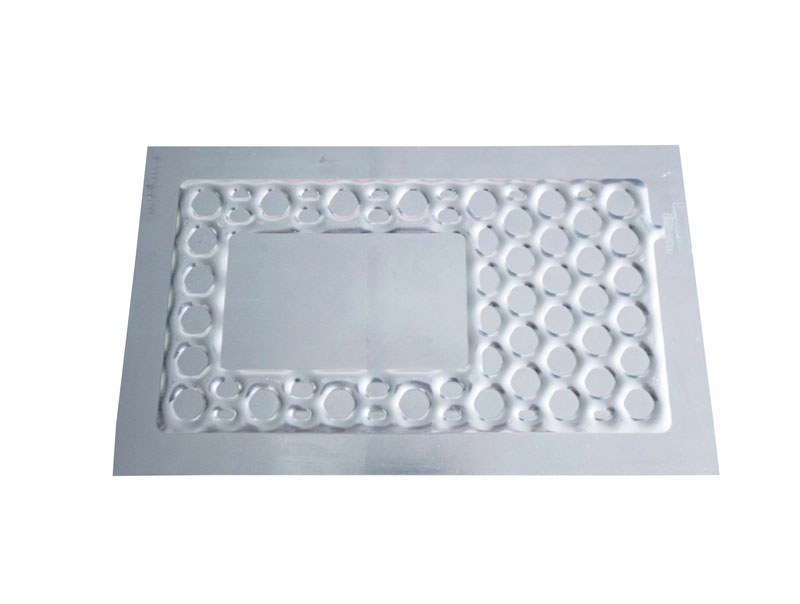
Heat sinks are typically composed of upper and lower shell, support columns, and an absorbent core. Generally, the upper and lower shells of heat sinks are made of copper or copper alloys with high thermal conductivity, which significantly improves the performance of the heat sink. In practical use, due to cost and weight constraints, the area of copper heat sinks is usually small. Moreover, the addition of an absorbent core structure on the inner surface of the heat sink not only increases the manufacturing time of copper heat sinks but also raises their cost. Currently, the high cost and manufacturing challenges make mass production of copper heat sinks difficult, thereby posing certain difficulties in applying copper heat sinks to the actual thermal management of electronic devices.
On the other hand, heat spreaders merely distribute the highly concentrated heat from the chip across the entire condensing surface, reducing the heat flux density of the microelectronic chip but do not possess the capability to remove system heat. Generally speaking, the heat from the condensing end of the heat spreader requires secondary cooling through forced convection. Depending on the method of forced convection, secondary cooling can be categorized into air cooling and liquid cooling. Compared to forced air cooling, due to the higher specific heat capacity of liquids over gases, liquid cooling offers more stable cooling performance and higher efficiency, thus liquid cooling technology is gradually replacing air cooling. In liquid cooling, the coolant needs to be pumped to the areas requiring cooling, making the liquid cooling system more complex than the air cooling system. There are significant practical issues in liquid cooling for electronic components, particularly the risk of coolant leakage leading to damage of the components. Therefore, special coolants are used in liquid cooling systems for electronic components, which, even in the event of leakage, do not damage the components.
