


Below are common methods for printer recycling:
Reconditioning: Inspect, repair, or modify recycled printer equipment to restore its usability. This includes replacing or repairing components such as print heads and ink cartridges to continue use.
Resale: Sell recycled printer equipment at the original price. Sales can be conducted through online platforms, second-hand markets, and other means to find buyers with a need.
Parts Recovery: Disassemble and decompose printer equipment to recycle its components. For example, recover print heads, circuit boards, transmission parts, etc., from old printers for repairing other devices or selling the parts.
Environmental Treatment: Handles printer equipment that cannot be reused or recycled in an environmentally friendly manner. For instance, processes electronic waste to ensure no environmental pollution.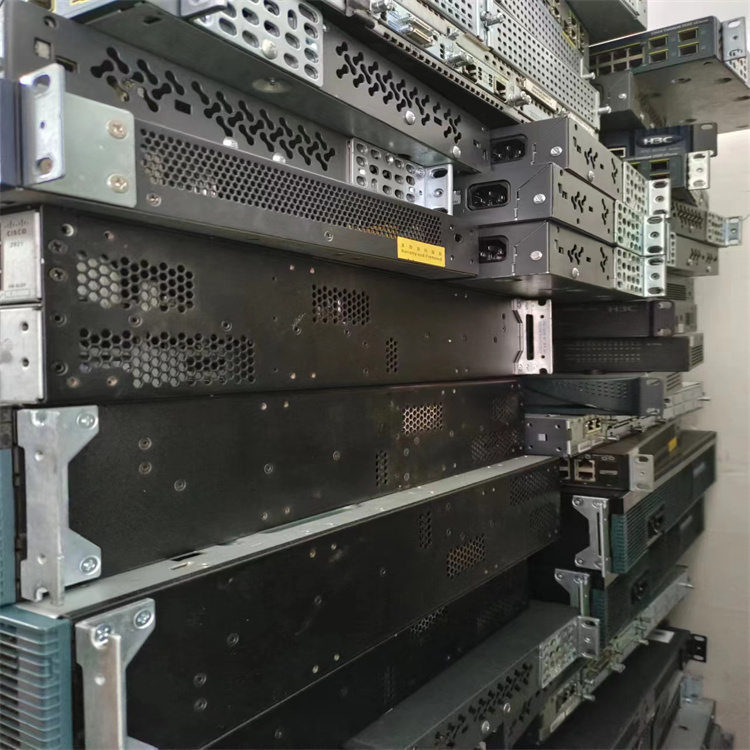 When recycling printers, please note the following:
Data: For recycled printer equipment, be aware of any sensitive data that may be stored. Ensure the device is wiped or destroyed prior to recycling to protect personal privacy and business secrets.
Compliance: Adhere to relevant regulations and standards, ensuring the recycling process meets environmental protection and requirements.
Partner Selection: Choose recycling partners that are equipped with suitable equipment and technology to carry out compliant recycling processes.
The purpose of printer recycling is to reduce resource waste, environmental pollution, and to gain economic returns. Proper recycling and handling can maximize the use of printer equipment, promote sustainable development, and drive the circular economy.
Printer recycling
