


Resource recycling
Through recycling, materials from discarded products can be re-extracted and processed, making them raw materials for production once again. This significantly reduces the demand for natural resource extraction, such as recycling scrap metal can decrease the mining of new ore, lower energy consumption, and reduce production costs. Statistics show that recycling scrap metal saves a substantial amount of energy compared to extracting metals from ore, such as recycling aluminum can save about 95% of energy.Environmental Protection
If discarded items are not recycled, they could cause severe environmental pollution. For instance, heavy metals and harmful substances in old electronic devices may seep into soil and water sources, disrupting ecological balance; and the old fuel and lubricants from报废 vehicles can contaminate soil and water bodies if leaked. Proper recycling of discarded items can handle these harmful substances appropriately, reducing their negative impact on the environment.Economic Value
The scrap recycling industry itself holds significant economic value. Recycling companies profit by purchasing scrap items, extracting valuable materials from them, and selling them. At the same time, they provide low-cost raw materials for related industries, promoting sustainable economic development. For instance, the second-hand parts market offers relatively low-priced parts to the maintenance industry, reducing repair costs.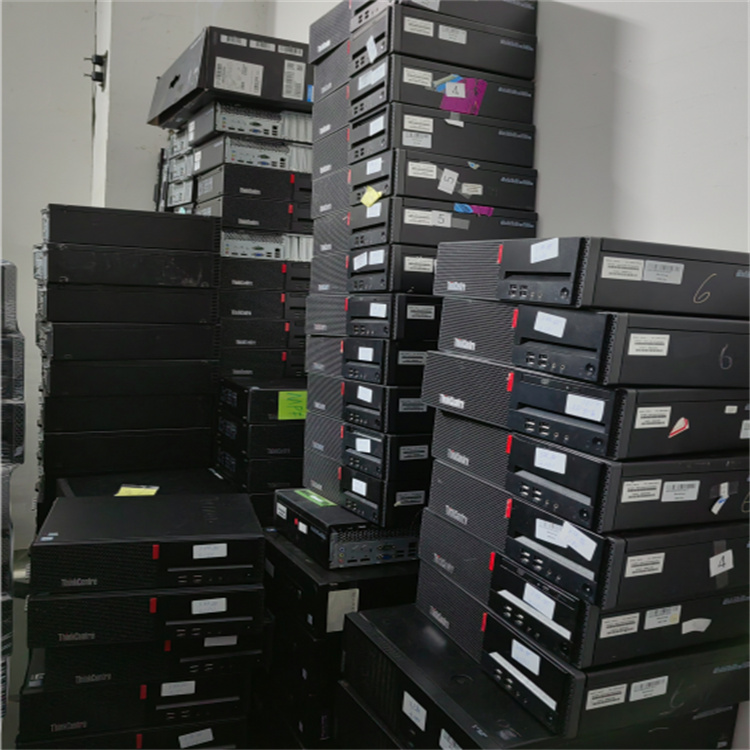
Scrap recycling
