


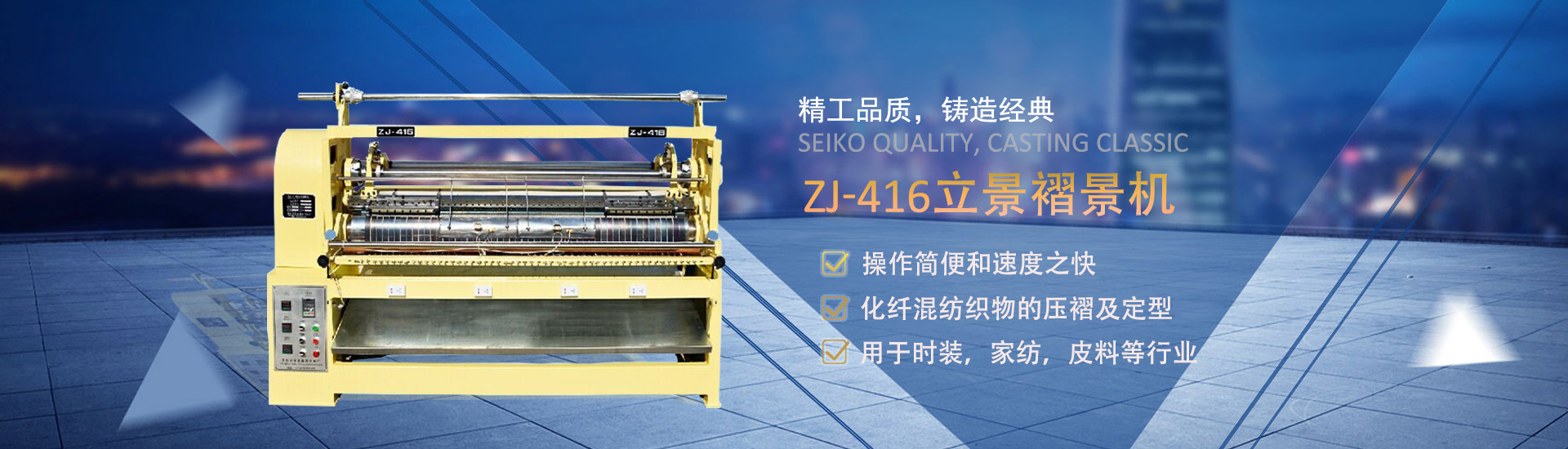





What products can be made from silk threads, which feel smoother and have better water-absorbing properties, and a superior texture compared to other silk threads. When mentioning silk threads, it's important to understand textile machinery, as it is the equipment used to produce threads. So, the editor will now introduce the operation methods of textile machinery, to facilitate correct usage in the future.
Operators should enhance their rounds during operation to inspect whether the blades of the shearing blade are dull and replace them promptly; otherwise, it will affect the quality of the shearing.
b) The usage of spacing films and roller films has a direct impact on the yarn count. Operators must continuously enhance their ability to gauge by touch, ensuring the consistency and evenness of the yarn produced.
c) Prior to use, a new spacer sheet must be sanded smooth on all sides and corners, followed by a fine sandpaper finish to ensure the yarn wrapping and sliding are secure.
d) Knots should be tied on yarn defects caused by broken ends or stoppages for loom workers to inspect and repair. If defects such as hairy yarn or exposed cores are found, the process should be adjusted promptly, equipment should be checked, and the defective yarn cones should be handed over to a designated person for handling.
Regularly maintain the machinery in a clean and tidy state to keep the spinning channels unobstructed, preventing the generation of flyings and defects.
When operating textile equipment, it is essential to follow the steps introduced above. This not only ensures the maintenance of the equipment but also enhances its performance, thereby maximizing its value. The energy-saving effect of the textile equipment is superior, capable of self-regulating energy consumption, making it a worthwhile purchase for textile manufacturers.