
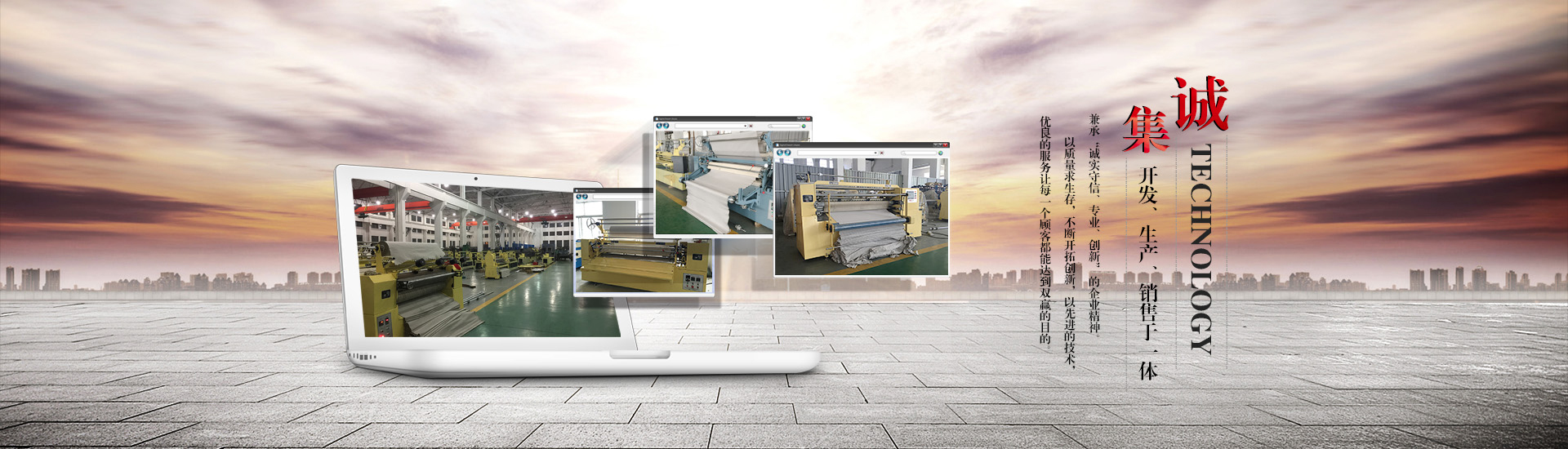

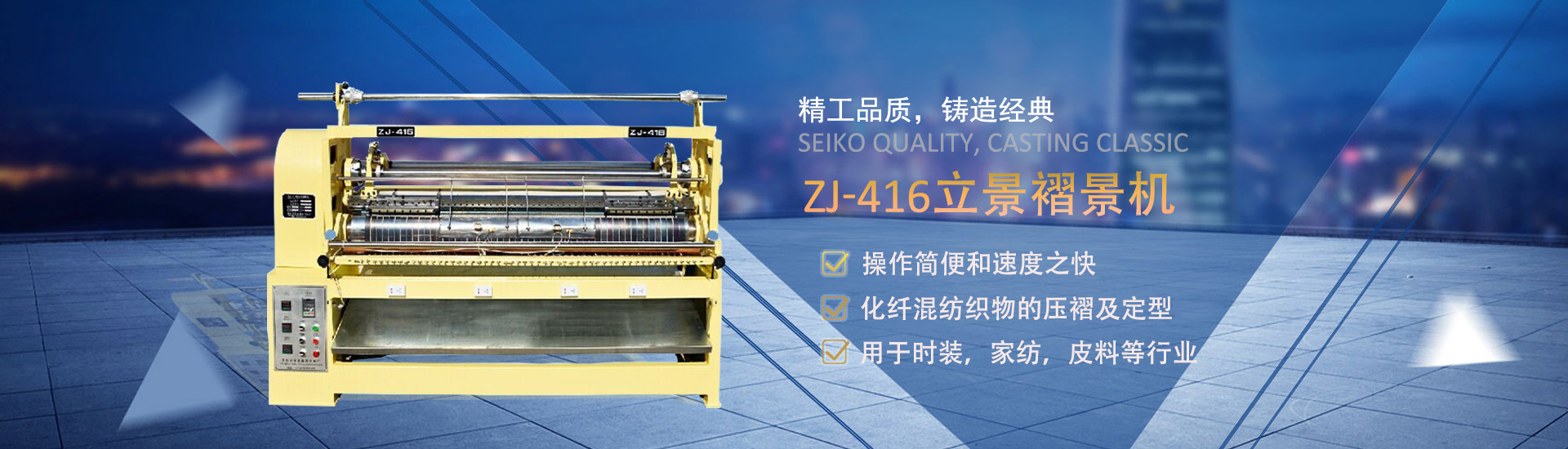





Although electronic jacquard flatweaving machines are widely used, many people believe that knowing how to use them is sufficient. However, many are not well-informed about these machines, leading to issues during operation. So, what is the specific working principle of electronic jacquard flatweaving machines? Let's take a look below.
The electronic jacquard is composed of various components such as the tongue needle bed, shedding board, ground reed, electronic jacquard reed, and sinker bed. Its working principle involves the vertical movement of the tongue needle, the front-and-back swing of the sinker bed, and the upward and downward movement of the reed, all utilizing a four-bar linkage. The integration of CAD pattern design, electronic jacquard weaving, electronic weft feeding, electronic tensioning, and automatic stop in case of broken yarn enables the product to operate at high speed with a unified mechanical, electrical, optical, and digital transmission. The warp threads, parallelly arranged, are drawn from the warp beam and placed on each weft needle for winding. Generally, each thread only pads on one or two weft needles at a time, forming a looped row after winding. In this row, each loop is interlocked with the corresponding loop of the previous row, connecting the rows together. The needle blocks include guide needle block, sinker needle block, tongue needle block, core needle block, separator needle block, shedding needle block, aluminum plate needle block, and flower reed needle blade. Additionally, various slot needles, spring needles, and hook needles are available, which can be customized according to customer requirements. The warp knitting machine accessories include various models of heddle ball frames, oil seals, bearings, guide caps, pressure plates, sliders, chain blocks, and more. There are also imported weaving needles, cloth covers, oil seals, and a wide range of products, totaling hundreds of varieties.
Understanding the working principle of electronic jacquard warp knitting machines is crucial for users. Should they encounter issues while using such products, we provide analysis. If they can resolve the problem themselves, they should do so first. If not, they'll need to seek out relevant technical personnel to handle the operation.