




Inspect the CCC certification mark. Wire and cable products are national mandatory safety-certified products. All manufacturers must obtain the CCC certification from the China Compulsory Certification (CCC) Committee and must display the CCC certification mark on the certification or the product itself.
Review the inspection reports. As products that affect both personal and property safety, wire and cable products have always been listed as key areas for supervision and inspection. Regularly producing companies must undergo periodic inspections by regulatory authorities. Therefore, suppliers should be able to provide inspection reports from the quality inspection department; otherwise, the quality of wire and cable products lacks evidence.
Examine the packaging. All companies producing products in accordance with national standards place great emphasis on product packaging. When selecting, pay attention to attractive packaging, clear printing, complete model and specifications, as well as the company name and address.
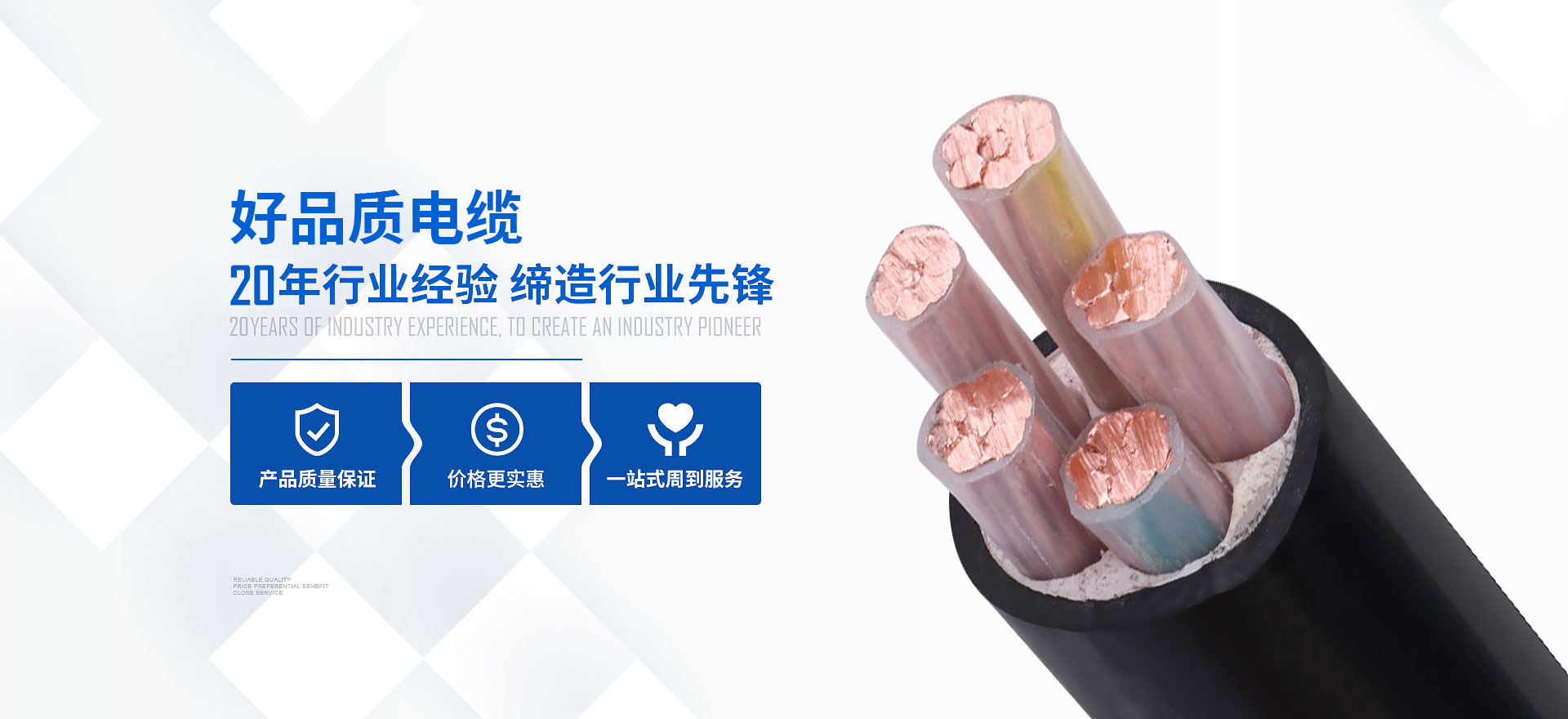
Examine the appearance. High-quality wire and cable products meet the standard requirements with a smooth, round surface and even coloration. Counterfeit or substandard products have a rough, lackluster appearance. Rubber insulated soft cables have a circular shape, with the sheath, insulation, and wire being difficult to detach. Counterfeit or substandard products are rough, with significant ellipticity, a low sheath insulation strength, and can be torn apart by hand.
Examine the conductors. The wires are smooth with direct resistance and dimensions in compliance with national standards. Wire and cable products meeting national standards, whether with aluminum or copper conductors, are quite bright and free of oil stains. Consequently, the direct resistance of the conductors fully meets the national standards, boasting good conductivity and high safety.
Measure the length of electrical wires and cables. Length is a primary visual method to distinguish between counterfeit and substandard products that meet national standards. Avoid the temptation of low prices when selecting and purchasing. Choose wires and cables that have actual lengths less than their advertised lengths. The length must correspond to the stated meter count. The national standard allows for an error of (+0.5) meters per 100 meters.
