


What to Pay Attention to During PCBA Processing and PCB Production? An editor from the SMT Assembly Factory shares some insights.
ReviewPCBA factories must not only pay attention to their scale and environment but also to these key quality points. The grades of substrates range from A to C, with significant price differences. The cleanliness management of cleanrooms can also be understood through documents from third-party testing agencies. Many factors determine PCB quality. Among them, important base materials, dust-free exposure, and copper clad copper are crucial for circuit boards. The copper plating process requires high consistency and uniformity. The management of solution changes must be standardized, and equipment needs to be well-maintained. In practice, it is also necessary to summarize and improve the copper plating process.
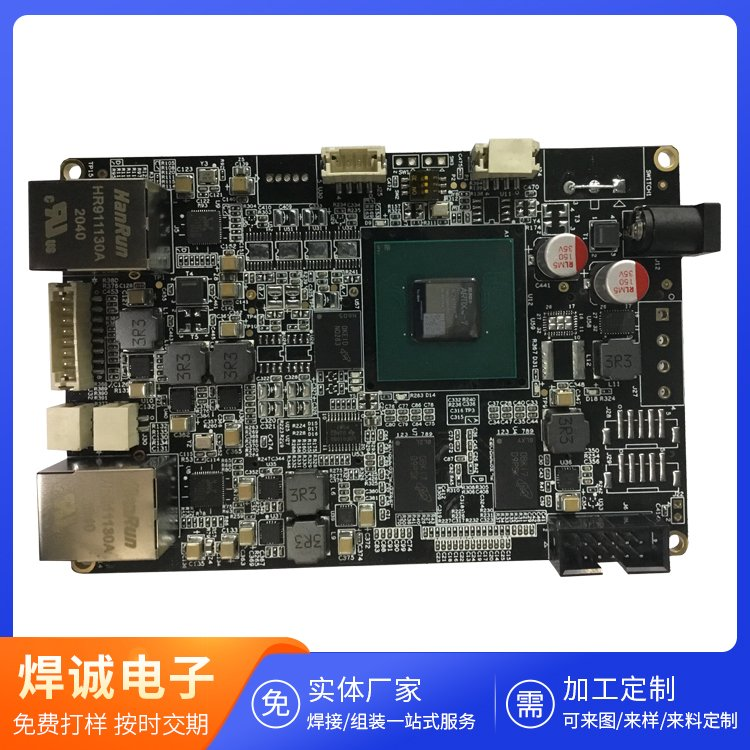 What to Consider When Purchasing Components?
Ensuring components are from the original brand is crucial for the packaging process and can prevent batch defects at the source. Electronics manufacturing companies must establish material inspection stations.The IQC conducts inspections for incoming material consistency, sampling for appearance, component values, errors, etc. The PCBA electronic manufacturing company also needs to continuously optimize its component supplier channels.
ForSurface Mount Technology (SMT) Assembly Process Requirements
Please provide the Chinese content you would like translated into American English.During the SMT surface mount process, PCBA electronic manufacturing companies must ensure uniform and consistent solder paste printing, as well as rational programming of the SMT machine to guarantee high yield rates for high-precision ICs and BGAs. AOI inspection and quality checks during the manufacturing process (IPQC) are extremely necessary. Additionally, it is essential to strengthen the management of incoming materials, with strict documentation from receipt to the staging area.
How to Test After PCBA Processing?
Design engineers typically will...PCBs retain test points and provide corresponding test solutions to PCB assembly electronic manufacturers. During ICT and FCT tests, analyze the voltage and current curves of the circuit and the functional test results of electronic products (with the aid of some test racks), then compare test plans to establish an acceptable range, which also facilitates continuous improvement for customers.
