


During both production and disassembly, soldering residue from the soldering process may remain on the circuit board. It is crucial to clean these residues thoroughly to ensure the proper functioning of the circuit board.
PCBA Assembly Services
If the primary reason for the shrinkage of PCB resistors is the residue of flux left on the circuit board, it is recommended to repair and improve the cleaning process to ensure the stability of the PCB. If it is mandatory to use a no-clean processing technology, then it must be followedThe IPC-SF-818 specification tests the stability of cleanless PCB welding processes, aiming to evaluate the impact of post-welding residues on quality and reliability.
After PCBA welding, there often remain some solder marks on the circuit board. These marks should be cleaned to ensure they do not harm the application of the PCB. With the advancement of technology and the improvement of professional personnel, there are various methods to remove solder marks. Today, we will explain how to clean solder off a circuit board.
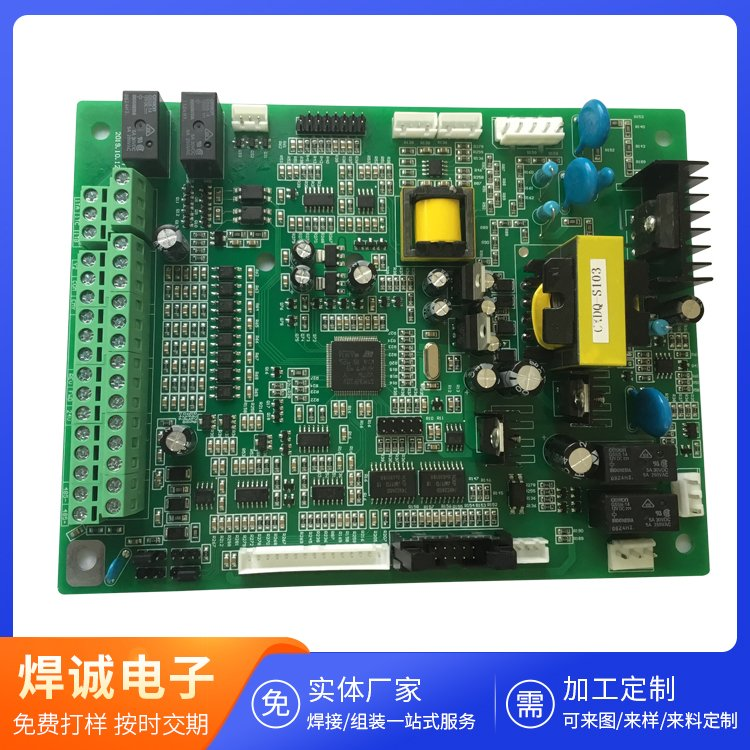
PCB Soldering Paste Cleaning Method
There are two methods for cleaning solder on circuit boards: one involves thoroughly cleaning the existing solder on the board, and the other is performed after the soldering work is completed. Remove excess weld spatter; it is recommended to use a desoldering pump for actual operation. Detailed introductions are provided below. Welding solder on the original circuit board
First, remove the solder from the soldering iron and re-melt it for welding. Repeat a few times, and it will work.
2. Locate a small length of multi-strand wire, apply rosin to it, and then melt it together with the circuit board. While it's hot, pull out the cable to remove the excess solder.
If it's a large-scale soldering operation, you can...Please provide the Chinese content to be translated into American English.Type hot air soldering gun or soldering station.
Post-welding circuit board cleaning of excess solder blobs
Use industrial ethanol (or 95%+ ethanol), if dirty, dip a soft brush into the ethanol to scrub.
Next, use oil-absorbing cotton to blot away.
3. Apply the solder sucker. For double-sided PCBs, it's a bit cumbersome. Heat the welding holes with a soldering iron and then insert and rotate. Alternatively, you can pull it up with a piece of soft wire (copper wire) when it's melted.
4. No soldering pump needed; simply shake the PCB rapidly while heating to dislodge solder slag. Always prioritize safety and avoid excessive swinging. When soldering with a soldering iron, you can flick off excess solder from the tip.
There are two methods for cleaning solder on PCB circuit boards: one involves thoroughly removing the solder from the existing circuit board, and the other is to remove excess solder slag after completing the soldering work. It is recommended to use a solder sucker for this operation. Here's an introduction to each method: First, the method for cleaning solder from the circuit board: 1. First, remove the solder from the soldering iron, then re-melt the solder joints.
