

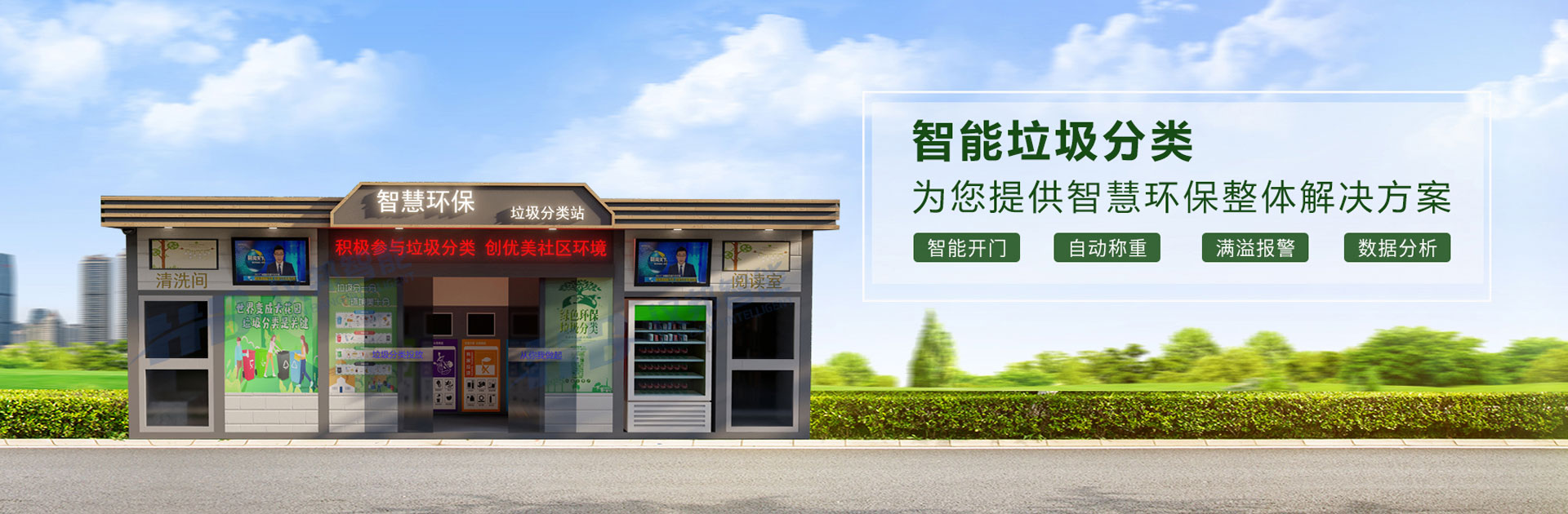
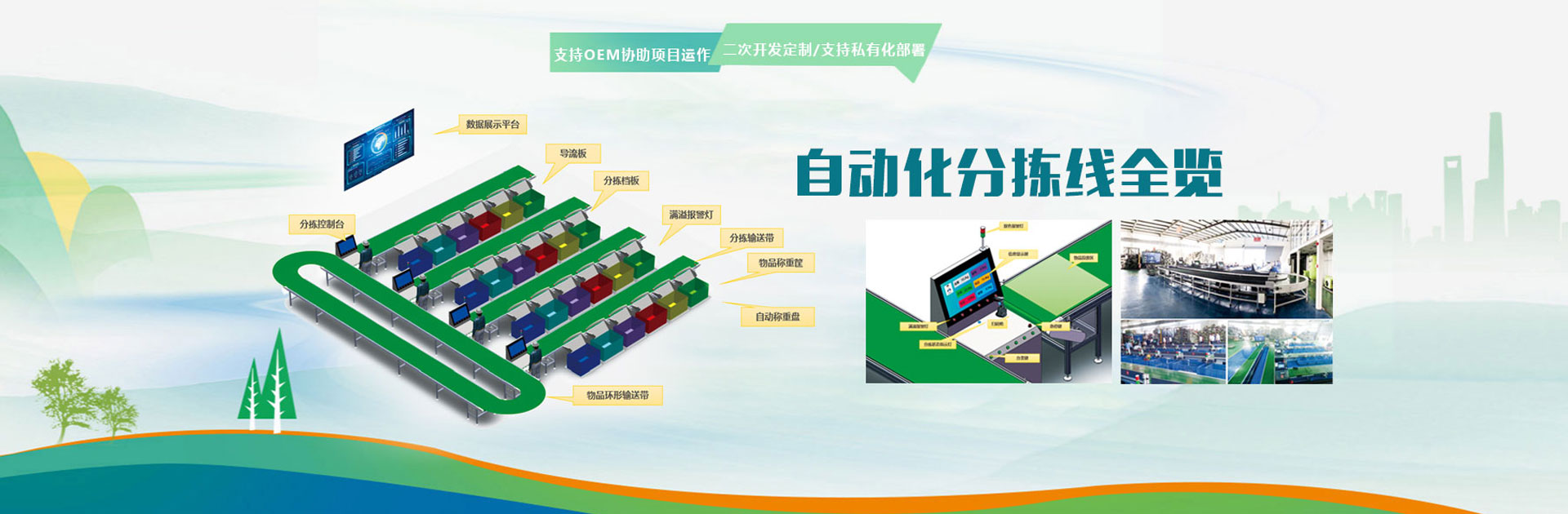

Waste sorting refers to a series of activities involving the classification storage, disposal, and transportation of waste according to certain regulations or standards, thereby transforming it into a public resource. The purpose of sorting is to enhance the resource and economic value of waste, striving for optimal use.
Modern waste contains chemicals, some of which can increase the incidence of diseases. Even when waste is buried or disposed of away from residential areas and with the use of appropriate isolation technologies, it is difficult to completely prevent harmful substances from seeping through. These substances can enter the entire ecosystem as part of the Earth's cycle, contaminating water sources and soil, and ultimately affecting human health through plants or animals.
Decrease land footprint and enhance land use efficiency. Some household waste contains harmful substances that are difficult to decompose, leading to severe land damage. Sorting waste can remove recyclables, reducing the amount of landfill by over 60%. This reduces waste pollution and protects the ecological environment. Currently, China's waste disposal mainly uses landfilling methods, which occupy a large area of land and can cause discomforting phenomena such as increased mosquitoes, wastewater overflow, and unpleasant odors. Additionally, waste plastics in the soil can lead to reduced crop yields and, if ingested by animals, can harm their health and even cause death. It can also contaminate water resources, which are closely related to human health. Recycling and reusing can reduce such hazards.
Waste is regarded as a non-exhaustible "urban mineral" with development potential, a "resource in the wrong place." Cultivate a polite habit for yourself and provide a space for waste to be utilized. Practice proper waste classification; let's add a touch of green to our planet together!
