
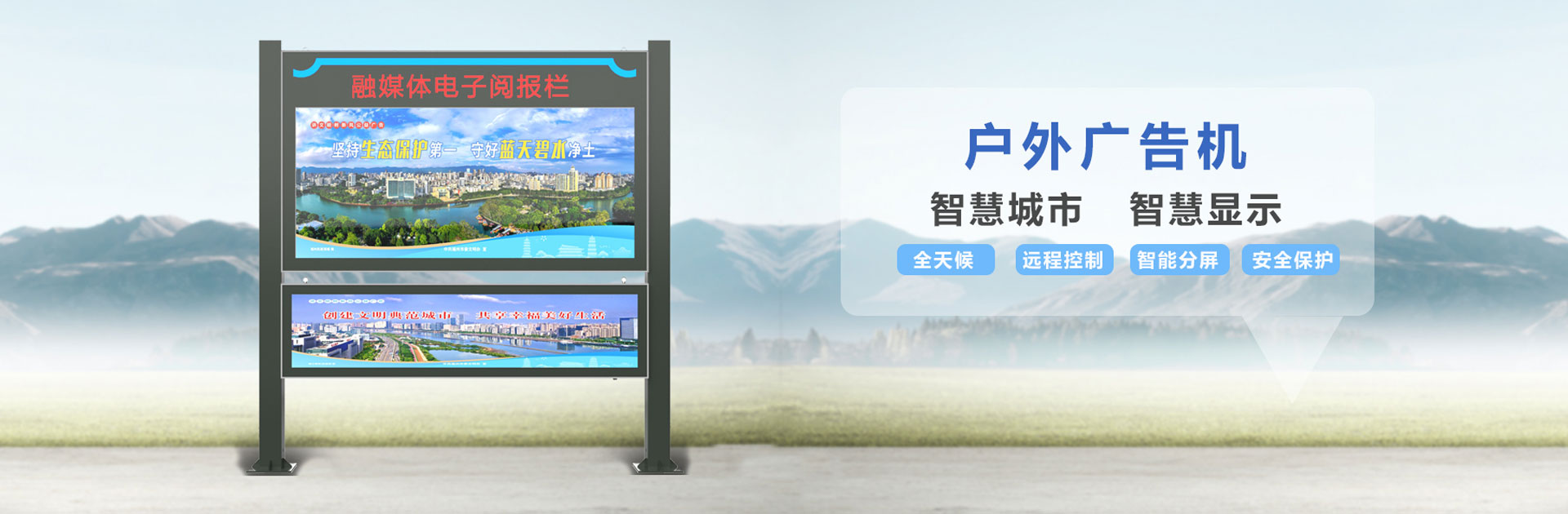

Outdoor displays incorporate super gray-scale control technology, modular structural design, and ultra-large-scale integrated circuit design techniques, enhancing the stability, reliability, and playback quality of the display system.
The primary issues with outdoor displays are as follows:
(1) Outdoor LED screens are frequently exposed to sun, rain, wind, and dust, enduring harsh working conditions. Wetting or excessive humidity in electronic equipment can cause short circuits, even fires, leading to malfunctions and potential fires, resulting in losses.
(2) The display may be affected by strong electrical and magnetic surges caused by lightning.
(3) Significant temperature fluctuations in the environment. During operation, the display screen generates a certain amount of heat. If the ambient temperature is too high and the heat dissipation is poor, the integrated circuit may operate abnormally or even be damaged, rendering the display system inoperable.
(4) Broad audience reach, requiring a long viewing distance and a wide field of view; significant environmental light changes, especially potential direct sunlight exposure.
In response to the above special requirements, outdoor displays must ensure:
(1) The screen and its junction with the building must be strictly waterproof and leak-proof; the screen must have good drainage measures to ensure that any accumulated water can be discharged smoothly.
(2) Install lightning protection devices on display screens and buildings. The main body and housing of the display screen are well grounded, with a grounding resistance less than 3 ohms, ensuring timely discharge of large currents caused by lightning.
(3) Ventilation equipment is installed to cool the internal temperature of the screen to between -10℃ and 40℃. Axial flow fans are mounted above the back of the screen to expel heat.
(4) Utilizing industrial-grade integrated circuit chips with operating temperatures ranging from -40℃ to 80℃ to prevent the display from failing to start due to excessively low temperatures in winter.
(5) To ensure visibility from a distance under intense ambient lighting, ultra-high-brightness light-emitting diodes must be selected.
(6) The display medium utilizes a new wide-angle tube, offering a broad viewing angle, pure colors, and consistent harmony with a lifespan exceeding 100,000 hours. The exterior casing of the display medium is a fashionable square tube with a flanged design, sealed with silicone, and features no metallic assembly; it boasts a delicate and aesthetically pleasing appearance, as well as durability. It is equipped with "five protections" against direct sunlight exposure, dust, water, high temperatures, and electrical short-circuits.
