


- AllProduct Category
-
Metal Hoses
Rubber Hoses
Low-Pressure Hoses
High-Pressure Hoses
Plastic Hoses
Pressure Test Hose
Explosion-Proof Flexible Hoses
Teflon Flexible Hoses
High Pressure Hoses
Metallic Bellows



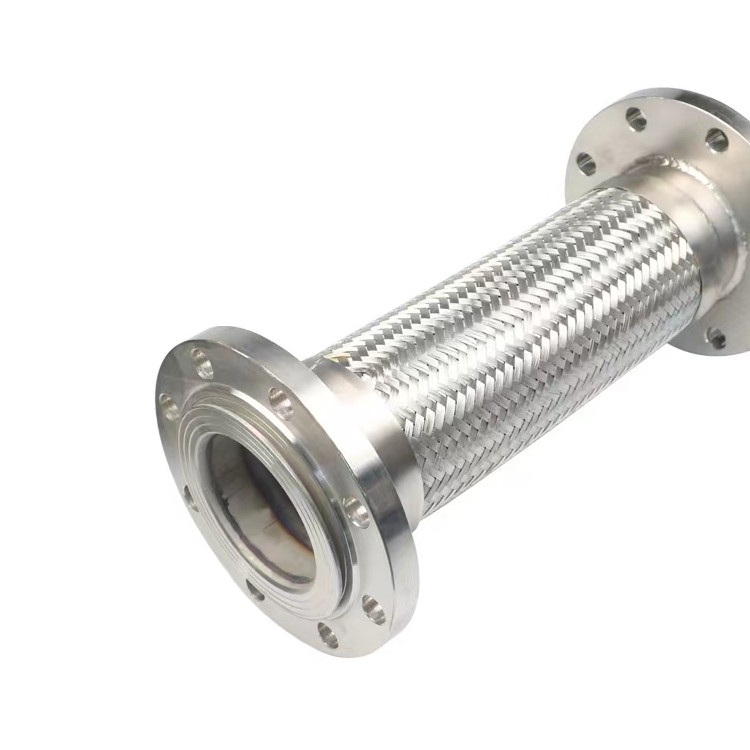
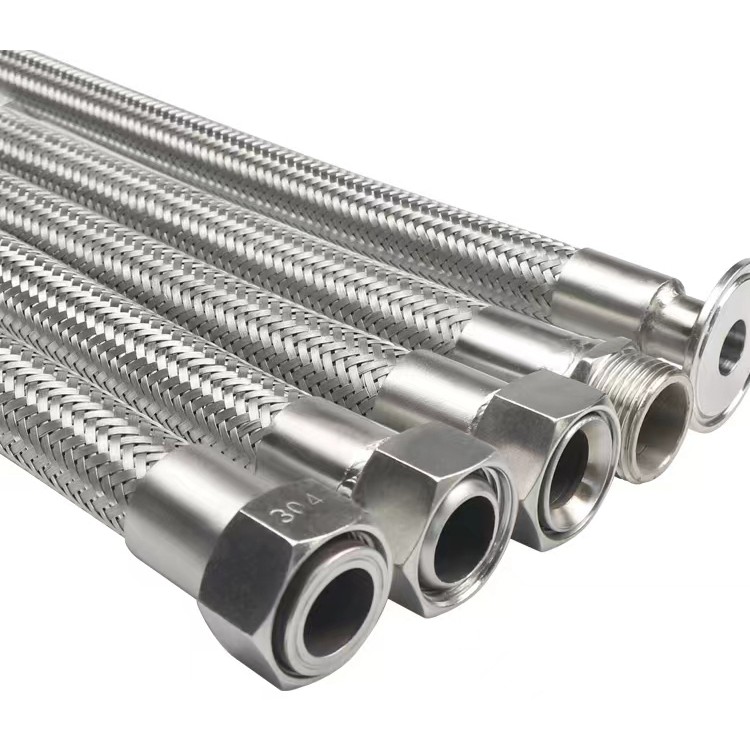
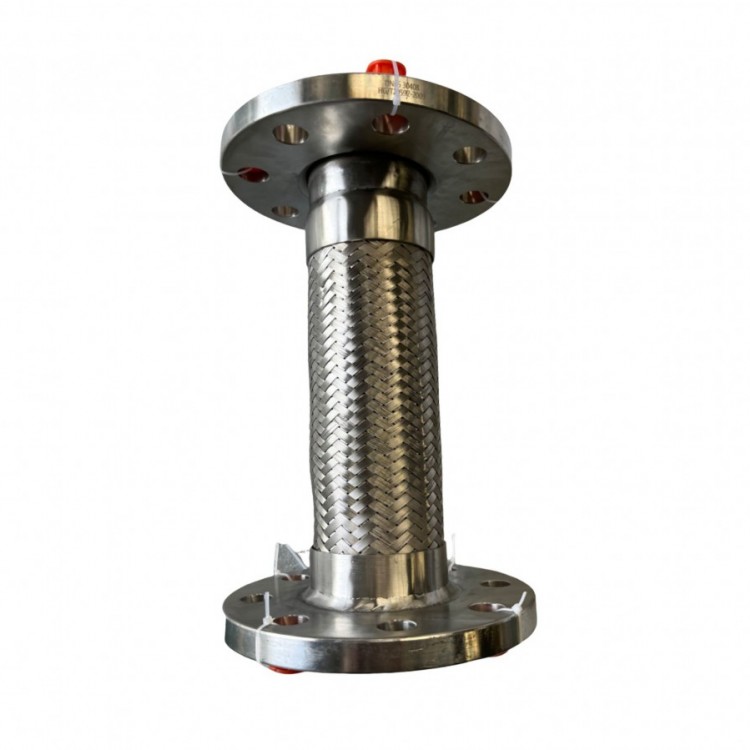
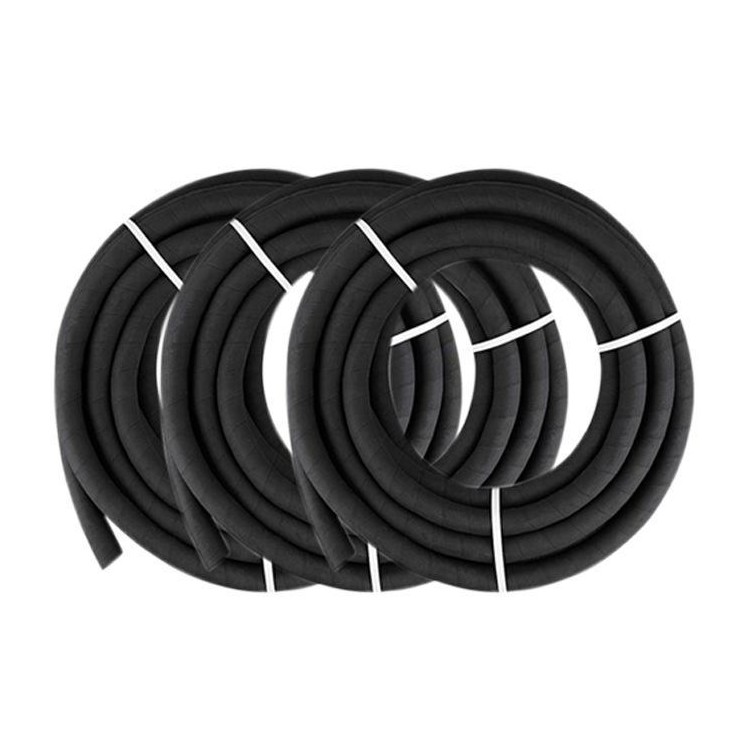
详情描述

High-pressure hoses are pipeline connection components capable of withstanding high pressure, widely used in hydraulic systems, construction machinery, oil drilling, and various other fields. Below is a detailed introduction to high-pressure hoses:
I. Structural Features
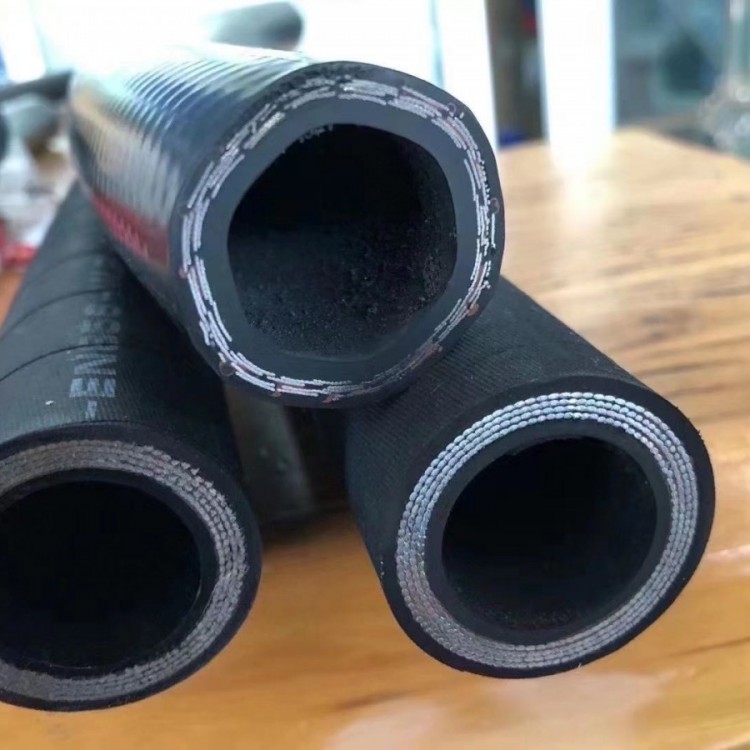
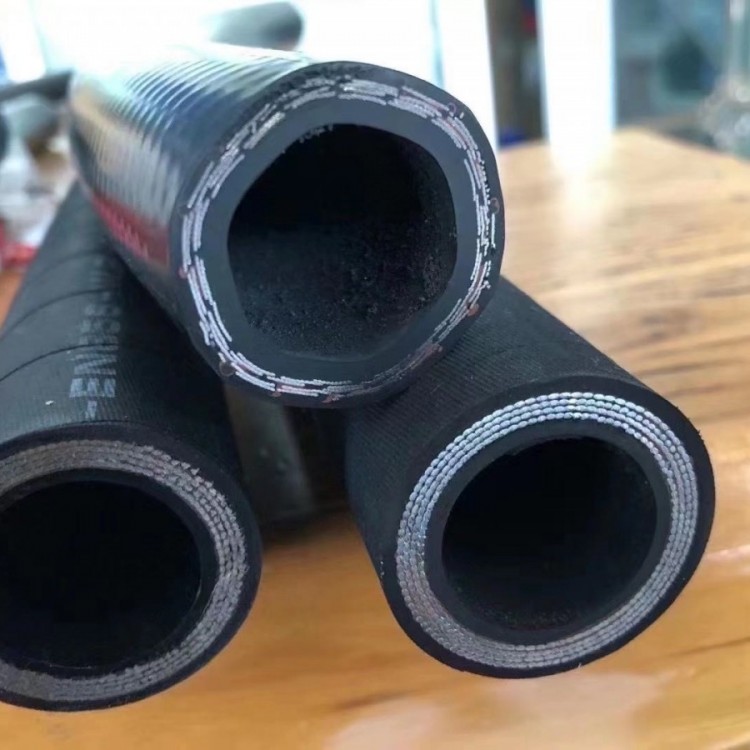
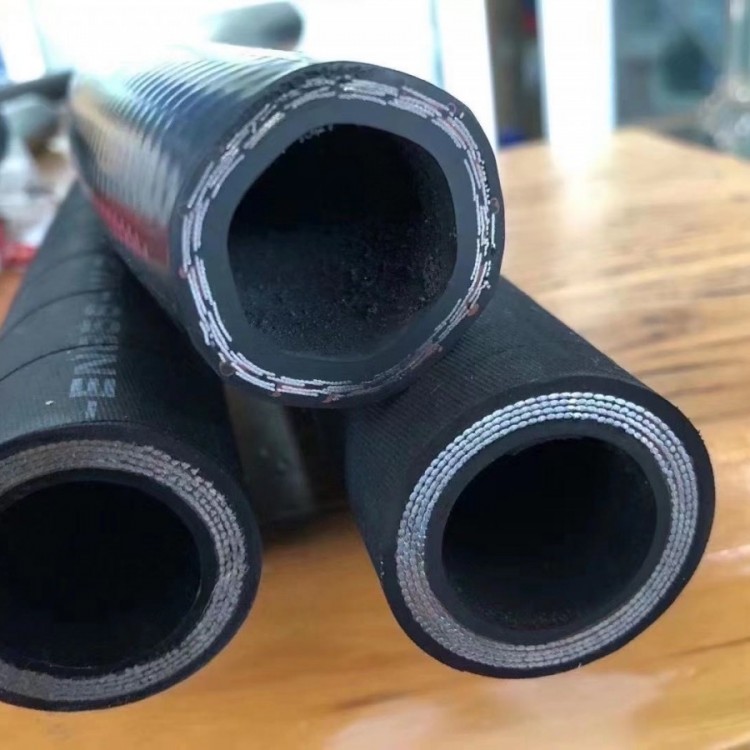
Hose pipes are typically composed of an inner rubber layer, a reinforcing layer, and an outer rubber layer. The inner rubber layer is responsible for contacting and sealing the fluid, the reinforcing layer provides the necessary strength and pressure resistance, and the outer rubber layer serves to protect the hose from damage by external environments. Different high-pressure hoses may use different reinforcing layer structures, such as wire braiding or wire wrapping, to accommodate varying working pressures and usage environments.
II. Material Selection
Inner rubber layer materialSelect materials with high sealing properties and resistance to fluid corrosion, such as NBR (nitrile rubber), EPDM (ethylene propylene diene monomer), PUR (polyurethane), or fluoro rubber. These materials should be able to withstand the erosion of the fluid being conveyed and maintain long-term sealing performance.
Enhanced layer materialThe reinforcing layer is typically made of high-tensile steel wire or synthetic fibers to provide adequate strength and pressure-bearing capacity. High-pressure hoses with steel wire braiding offer excellent flexibility and wear resistance, while those with steel wire spiraling have higher pressure-bearing capacity and burst resistance.
Exterior rubber layer materialSelect materials with wear, weather, and corrosion resistance, such as chloroprene rubber, polyurethane, or PVC. These materials should protect the hose from damage by external environments and extend its service life.
III. Performance Advantages
High-pressure resistance capabilityHigh-pressure hoses can withstand pressures that ensure stable transmission of fluids within the pipeline. Their pressure-bearing capacity typically reaches several tens of megapascals or even higher.
Excellent sealing propertiesThe selection of the inner rubber layer material and the structural design ensure that the high-pressure hose maintains excellent sealing performance under high pressure, preventing fluid leakage.
Corrosion resistance to fluidsThe inner rubber layer material can withstand erosion from various chemical agents, including acids, alkalis, salts, and other corrosive media, thereby extending the service life of high-pressure hoses.
Wear and weather resistanceThe selection of the outer rubber layer material ensures that high-pressure hoses maintain stable performance in harsh working conditions, such as high and low temperatures, humidity, and dusty environments.
Section 4: Application Fields
High-pressure hoses are widely used in the following fields:
Hydraulic SystemUsed for connecting hydraulic pumps, valves, cylinders, and other components, to transmit high-pressure hydraulic oil and achieve power transmission and control of mechanical equipment.
Construction and engineering machineryIn heavy machinery such as excavators, loaders, and cranes, used for transferring fuels, lubricants, hydraulic fluids, and other media.
Petroleum DrillingIn the oil drilling process, high-pressure hoses are used to convey drilling fluids, muds, and other media, as well as to connect drill pipes, drill bits, and other drilling equipment.
Aerospace IndustryIn the aerospace industry, high-pressure hoses are used for transferring fuels, hydraulic oils, and other media, as well as connecting various systems of aircraft, rockets, and other flying vehicles.
Other FieldsHigh-pressure hoses play a crucial role in industries such as chemicals, metallurgy, and shipbuilding.
询价单

