



- AllProduct Category
-
Metal Hoses
Rubber Hoses
Low-Pressure Hoses
High-Pressure Hoses
Plastic Hoses
Pressure Test Hose
Explosion-Proof Flexible Hoses
Teflon Flexible Hoses
High Pressure Hoses
Metallic Bellows



详情描述
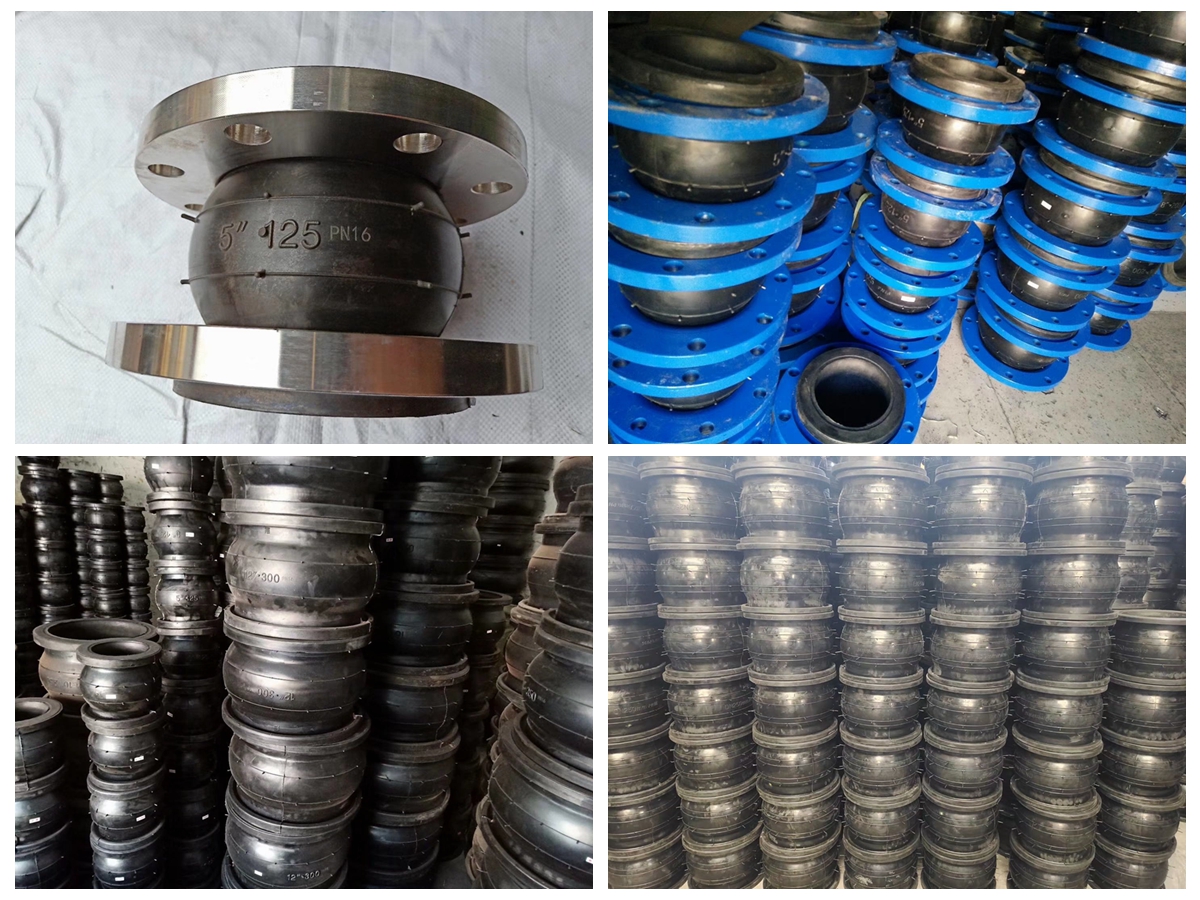
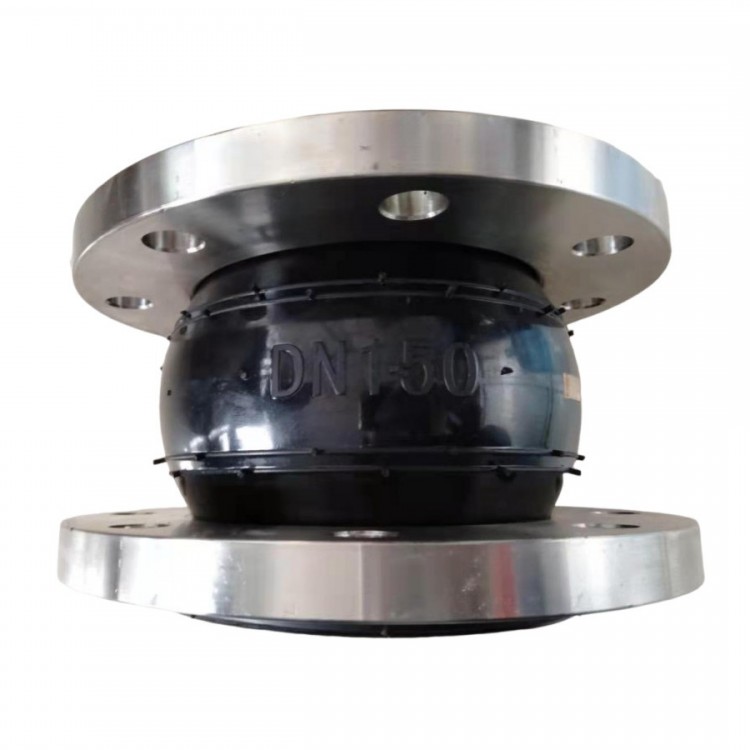
Flexible rubber joint, commonly referred to as a rubber joint or rubber soft joint, consists of a rubber component reinforced with fabric, paired with a parallel socket union, flanged metal, or threaded pipe flange. It is primarily used for pipeline vibration reduction and noise suppression, as well as displacement compensation. Below is a detailed introduction to the flexible rubber joint:
I. Performance Features
High elasticity, high airtightnessRubber joints utilize the elasticity of rubber, offering excellent elastic deformation capability. They can withstand certain pressures and displacements while ensuring excellent sealing performance.
Chemical Resistance: Resistant to erosion from various chemical agents, suitable for different working environments.
Climate resistanceMaintains stable performance under various climatic conditions and is resistant to aging.
Noise reduction, vibration reductionRubber joints can absorb and dissipate vibrations and noise in the pipeline system, enhancing the stability and reliability of the system.
II. Structure Composition
Flexible rubber joints are composed of an internal adhesive, a polyester fabric reinforcement layer, an external adhesive rubber ball, and a loose metal flange. The reinforced layer structure provides the necessary strength and stability to ensure the joint maintains excellent working performance under high pressure or displacement.
Section 3: Application Scope
Due to the excellent comprehensive performance of flexible rubber joints, they are widely used in the following fields:
Pipe systems for chemical, petroleum, and other industrial sectors.
Pipe connections for fundamental engineering projects including construction, water supply, drainage, heavy and light industries, refrigeration, sanitation, plumbing, fire prevention, and electricity.
IV. Installation and Precautions
Installation MethodRubber joint installation is relatively simple, usually requiring flange or threaded connections with the pipeline. During installation, ensure the joint remains in its natural state to avoid deformation caused by human handling that could lead to early damage.
Cautionary Notes:
When using rubber joints for high-level water supply, the pipeline must have a fixed support or bracket; otherwise, a pull-out prevention device should be installed.
When connecting with flanges, ensure that both ends of the ball joint are fully seated in the flange groove to prevent the ball from detaching from the flange during pipeline pressure.
When connecting a rubber joint with a pipe flange, the bolt threads should extend towards the pipe flange end to prevent injury or piercing of the rubber joint when the threads are compressed and expand.
V. Advantages and Limitations
Advantages:
Flexible rubber joints feature compact size, light weight, and easy installation and maintenance.
Compensates for lateral, longitudinal, and angular displacements during installation and use of the pipeline.
Reduce vibration and noise in the pipeline system, enhancing stability and reliability.
Limitations:
Rubber materials may expand or corrode in certain special mediums (such as strong acids, alkalis, high-temperature oils, etc.), affecting their service life.
Under extreme temperature conditions, the performance of rubber joints may be limited.
询价单

