





详情描述
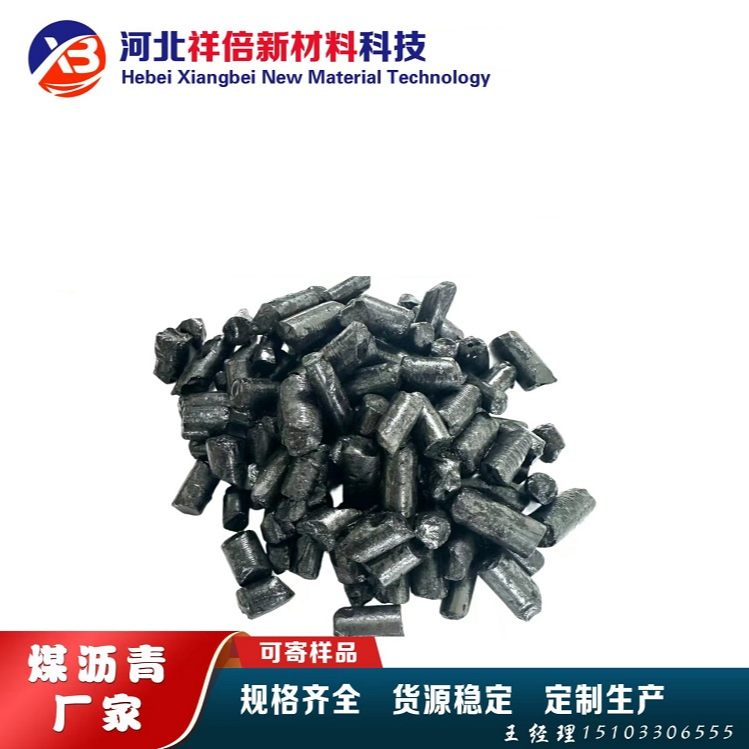
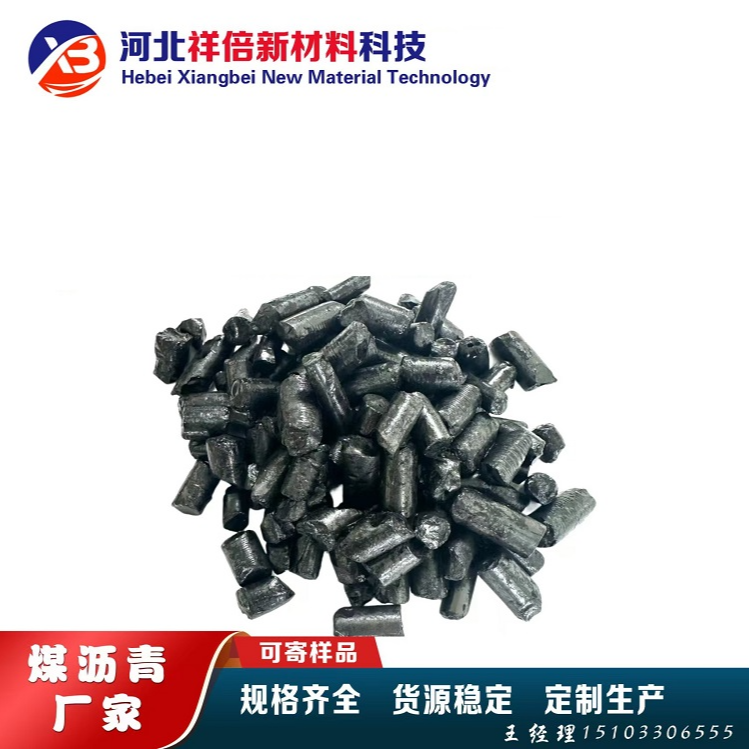
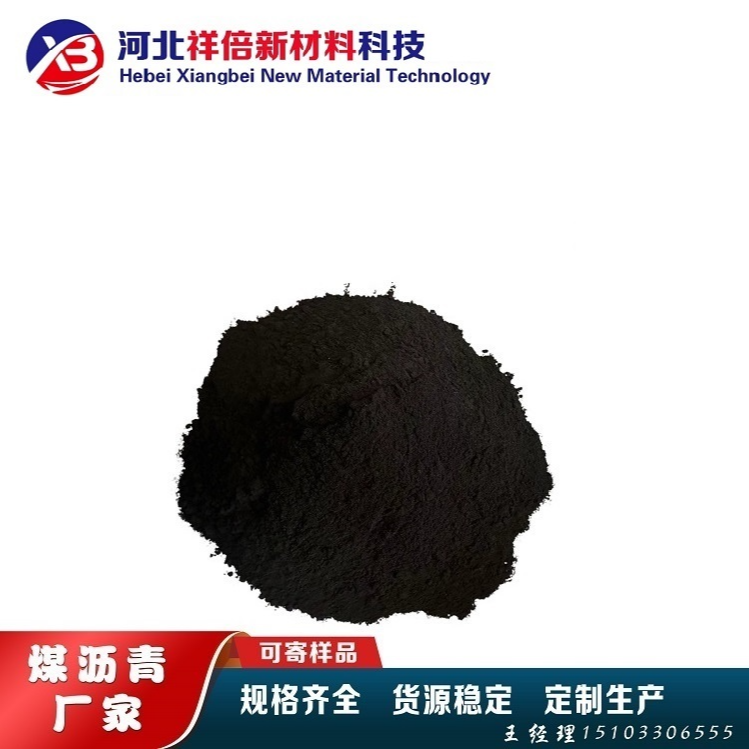
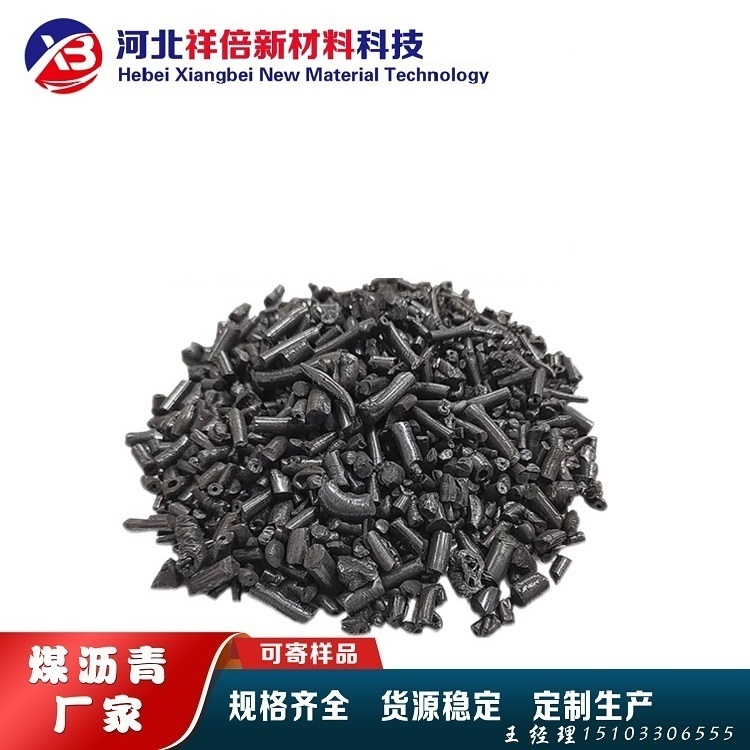
I. Characteristics of modified asphaltCoal tar
- High-Temperature Stability
- Modified asphalt has a higher softening point (usually between 100-115℃), which maintains stability in high-temperature environments and is not prone to softening or flowing.
- High coking value
- Coking value reflects the asphalt's ability to form coke at high temperatures. The modified asphalt has a higher coking value, which aids in enhancing the mechanical strength and conductivity of carbon-based products.
- Strong adhesive properties
- The modified asphalt contains a high β-resin content (≥18%), offering excellent bonding properties and enhancing the internal bonding strength of carbon products.
- Chemical stability
- Low impurity content in modified asphalt, good chemical stability, reduces volatilization and decomposition at high temperatures, extending its service life.
Section 2: Production Process of Modified Asphalt
The production of modified asphalt primarily involves the following two methods:
- Thermal Agglomeration
- Using medium-temperature asphalt as raw material, it is continuously heated in a reactor to release small molecular gases, leaving the remaining reactor liquid as the modified asphalt. This method is simple in process, but the product performance is relatively low.
- Heavy residue upgrading and refining integrated process
- The dehydrated asphalt is pressurized (0.5-2 MPa) in a reactor and heated to 320-370°C, maintaining the temperature for 5-20 hours to cause the heavy oil fractions and low boiling point unstable components in the asphalt to polymerize, forming high-quality upgraded asphalt. This method yields a higher production rate and superior product quality.
Section 3: Applications of Modified Asphalt
- Carbon Industry
- Graphite electrodes: Used in arc furnaces for aluminum electrolysis and other industries, serving as a binder for electrodes.
- Pre-baked anode: Used in the aluminum electrolysis industry, serving as a binder and impregnant for the anode.
- High-power electrode rods: Used for electric furnace steelmaking, to enhance the power and efficiency of the electric furnace.
- Carbon bricks: Used as refractory lining for equipment such as blast furnaces and electric furnaces, enhancing their high-temperature resistance.
- Road Construction
- Modified Asphalt: By adding modifiers (such as SBS, rubber, etc.) to the base asphalt, it enhances the asphalt's resistance to rutting, aging, and low-temperature cracking, thereby extending the service life of roads.
- Waterproof materials
- Waterproof membrane: Used for roofing, basements, tunnels, etc., providing excellent waterproofing performance.
- Industrial Corrosion Prevention
- Corrosion-Resistant Coatings: Used for equipment anti-corrosion in oil & chemical, electric power, water conservancy and other fields, extending the service life of the equipment.
- Fuel oil
- High Calorific Fuel: Refined asphalt can be used as fuel oil, suitable for various combustion equipment.
Section 4: Advantages of Modified Asphalt
- Enhance product quality
- The high-temperature stability and adhesion of modified asphalt can significantly enhance the mechanical strength, conductivity, and corrosion resistance of carbon products.
- Reduce production costs
- Using modified asphalt can reduce smoke emissions during the production process, decrease environmental pollution, and simultaneously enhance the finished product yield.
- Extend service life
- The superior properties of modified asphalt significantly extend the service life of carbon products, roads, and waterproofing materials, reducing maintenance and replacement frequency.
- Excellent environmental performance
- Refined asphalt reduces harmful emissions through optimized production processes, meeting environmental protection standards.
V. Trends in Modified Asphalt Development
- Technological Innovation
- With technological advancements, the production process of modified asphalt will continually improve, leading to further enhancement of product quality.
- Application Expansion
- Modified asphalt will continuously expand its applications in new energy and new material fields, meeting more industrial demands.
- Enhanced environmental requirements
- Future production of modified asphalt will place greater emphasis on environmental protection, reducing its impact on the environment.
- Market demand is increasing
- As the rapid development of industries such as electrolytic aluminum, steel, and road construction continues, the demand for modified asphalt will sustain growth.


