






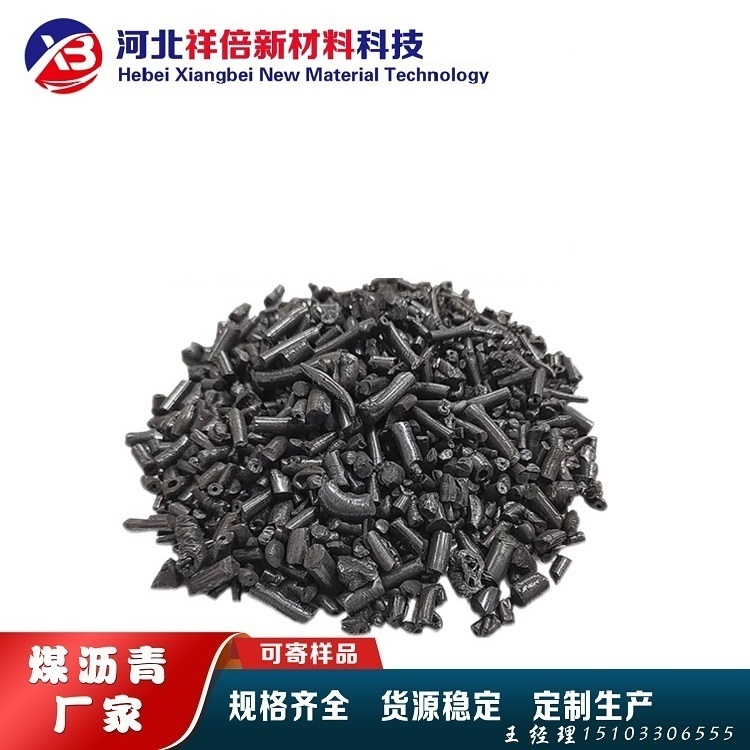
详情描述
I. Definition and Classification
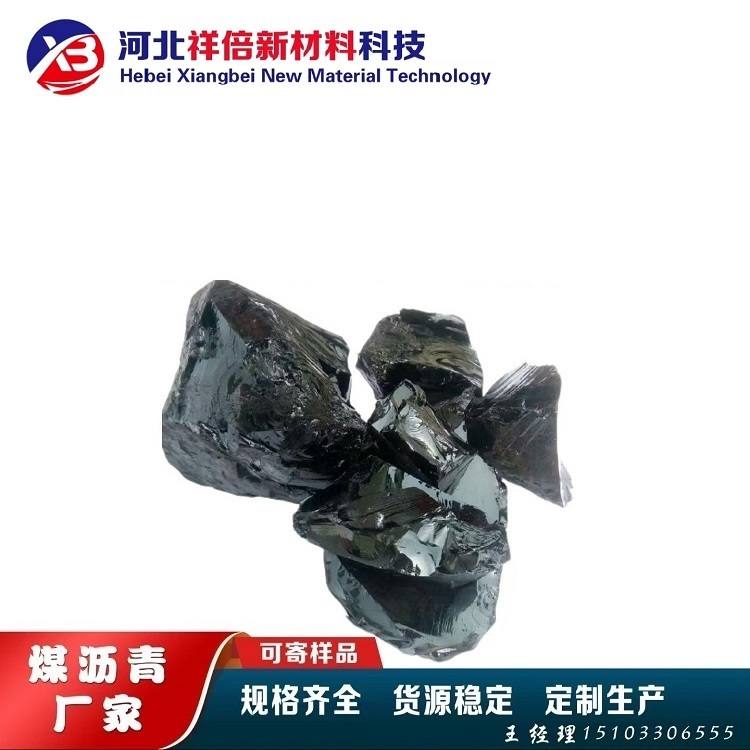
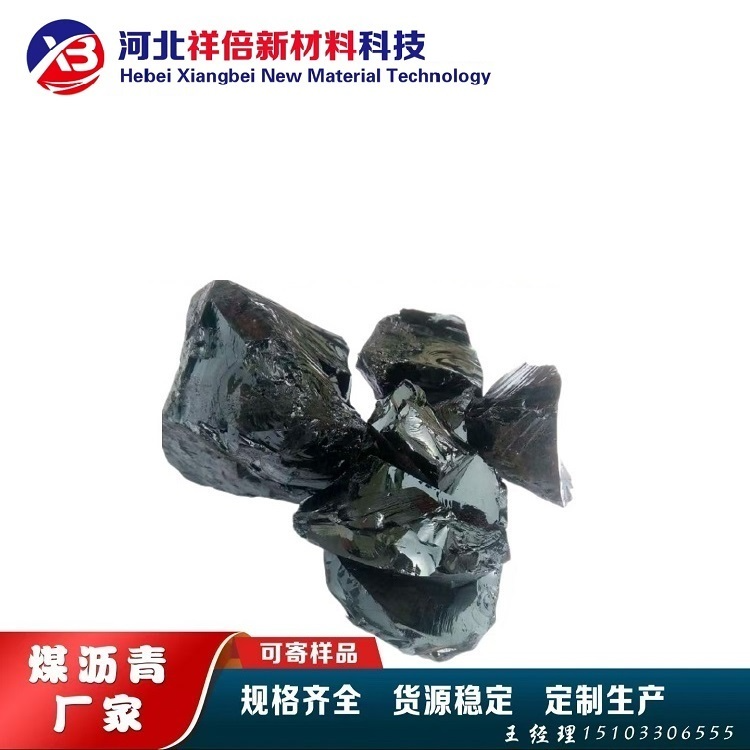
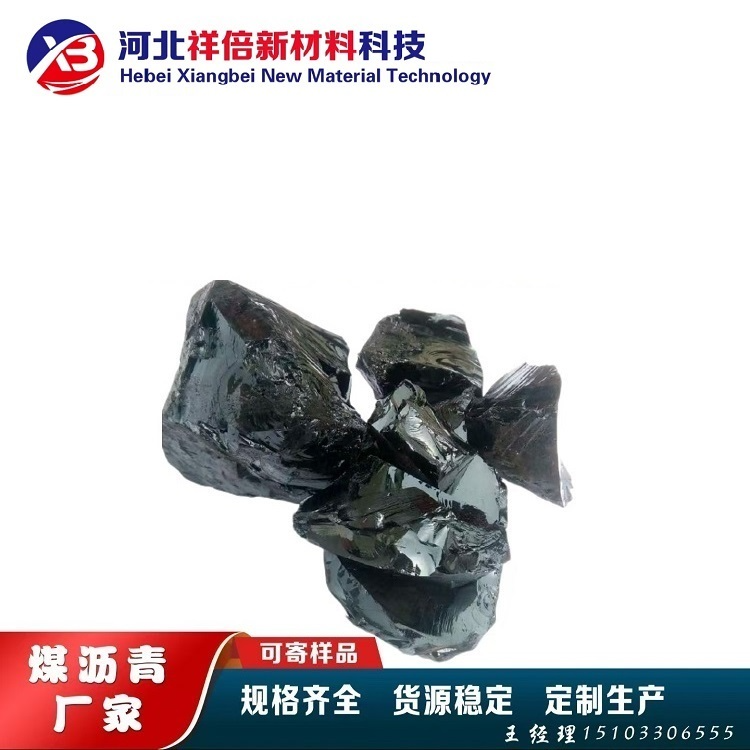
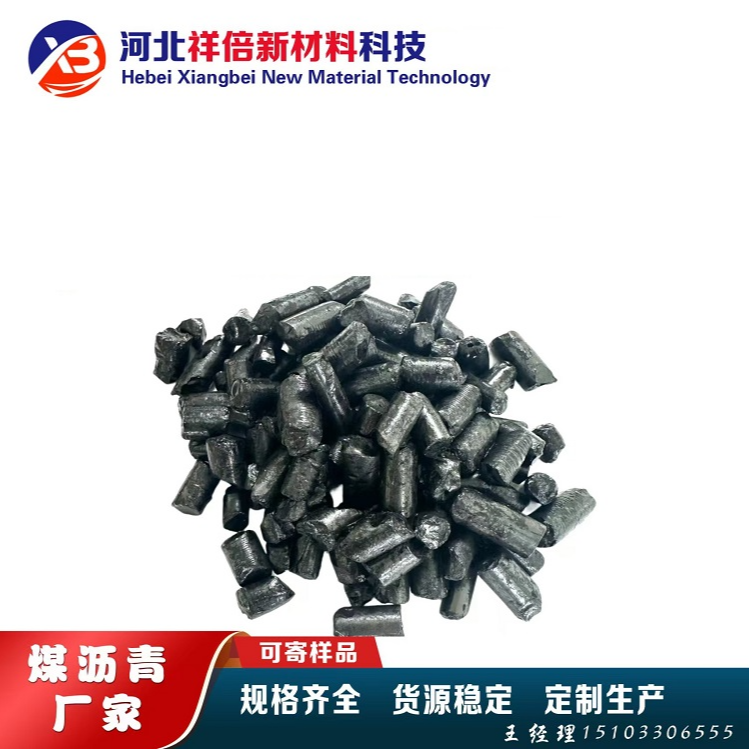
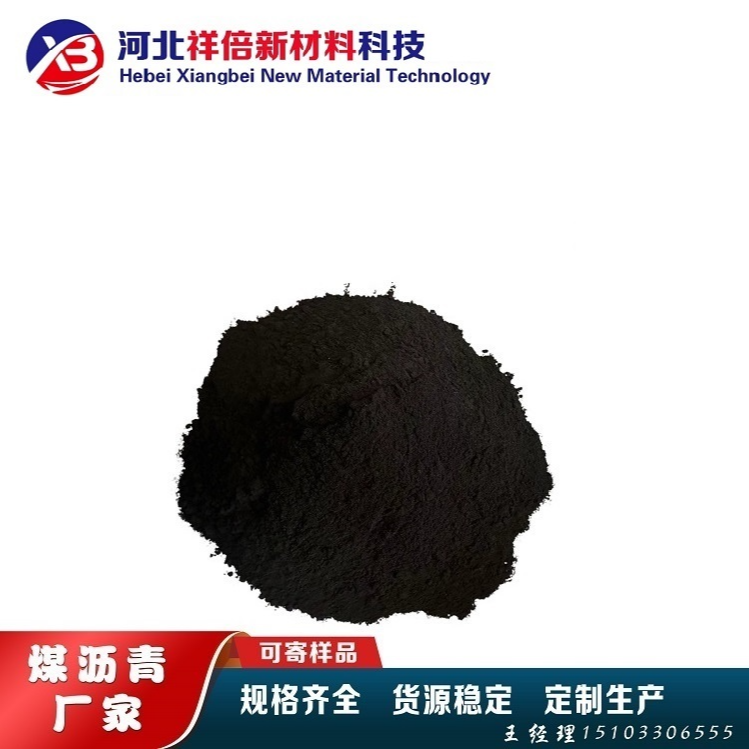
High-temperature asphalt refers to asphalt materials with a softening point above 90°C, which are typically categorized into the following types:
- Coal Tar High-Temperature Asphalt: Processed from coal tar, its softening point is generally between 100℃ and 150℃.
- Petroleum Bitumen at High Temperature: Processed from petroleum distillation residue, the softening point is typically between 120℃-200℃.
- Modified High-Temperature Asphalt: Enhanced through the addition of modifiers such as polymers and rubber powder.
II. Production Process
The production process for high-temperature asphalt mainly includes the following steps:
- Raw Material Selection: Coal tar or petroleum distillation residue is used as the raw material.
- Heating Treatment: The raw material is heated to a certain temperature to melt it and remove moisture and light components.
- Distillation Cutting: Separates various fractions through a distillation tower to obtain high-temperature asphalt.
- Blended Modified: Modify as needed by adding modifiers to enhance performance.
- Filter Packaging: After filtering impurities, the product is filled into drums or stored in tanks.
III. Performance Features
High-temperature asphalt boasts the following performance characteristics:
- High Softening Point: High softening point, resists flow at high temperatures, suitable for high-temperature environments.
- High thermal stability: Maintains stability at high temperatures, resists decomposition or oxidation.
- Excellent adhesion: firmly bonds with aggregates, fibers, and other materials, enhancing the overall performance of the material.
- Corrosion Resistance: Excellent tolerance to chemicals such as acids and alkalis.
Section 4: Application Fields
High-temperature asphalt is widely used in various fields:
- Road Engineering
- Overload Roads: Designed for heavy-duty roadways such as highways and airport runways, enhancing the pavement's rut resistance.
- Modified Asphalt: Serves as the base asphalt for SBS, SBR, and other modified asphalt types, enhancing modification effectiveness.
- Waterproof materials:
- Waterproof Membrane: As the base material or additive for waterproof membranes, enhancing their waterproof performance.
- Waterproof Coating: Used for manufacturing waterproof coatings, enhancing the bonding and water resistance of the coating.
- Fire-resistant materials:
- Binder: Serves as a binder for refractory materials, enhancing the strength and high-temperature resistance of the material.
- Carbon additive: Used in blast furnace molten iron trough material, spaying and repairing material, etc., to improve furnace condition and promote reaction.
- Industrial Adhesive:
- Electrode Materials: Used for manufacturing electrodes, featuring excellent conductivity and high-temperature resistance.
- Corrosion-resistant materials: Used for the anti-corrosion treatment of pipelines and equipment.


