






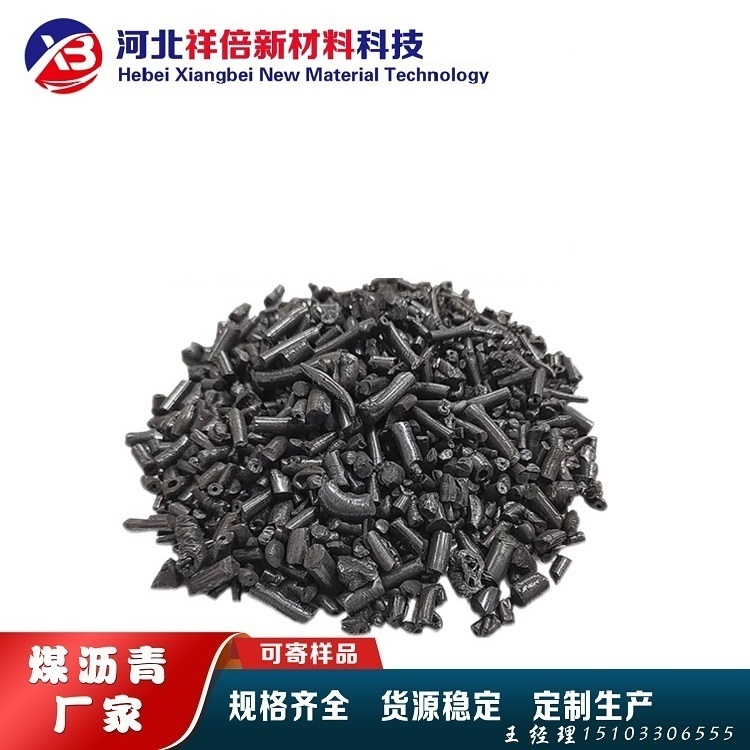
详情描述
I. Production Process
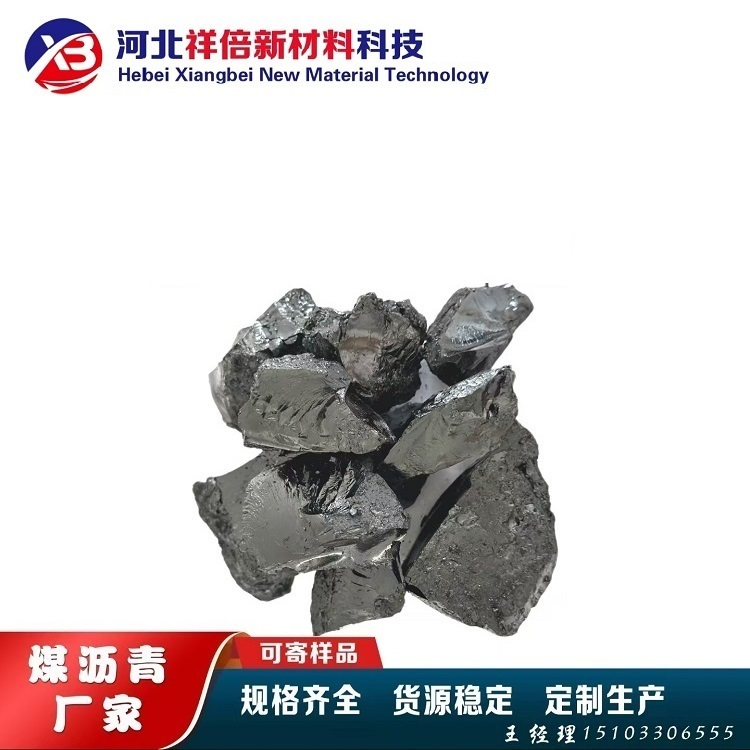
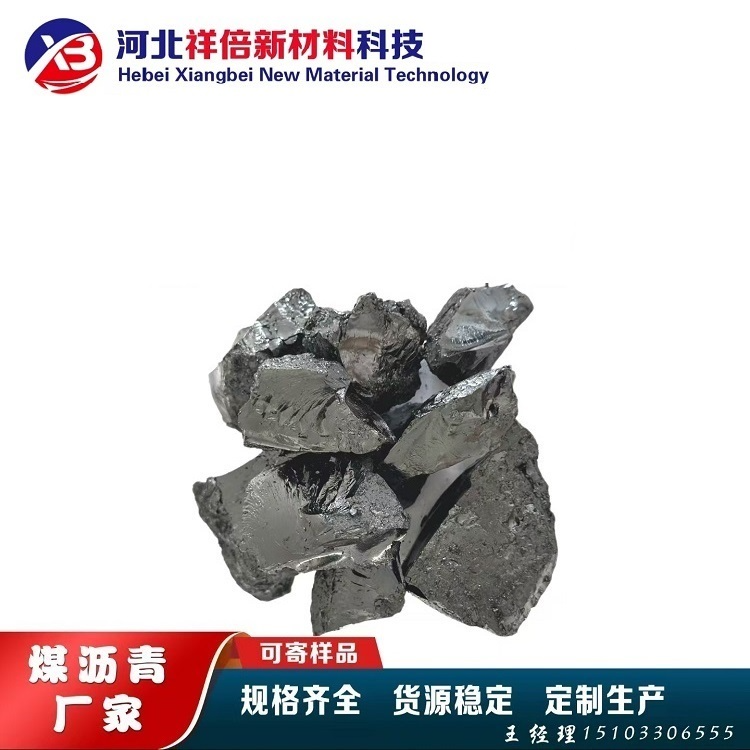
The production process for block asphalt primarily includes the following steps:
Raw Material Selection: Opt for high-quality raw materials such as petroleum asphalt to ensure quality meets production requirements.
Heating Melting: Add the raw material to the heating kettle, heat to the molten state, and maintain a certain temperature range.
Molding and Cooling: Liquid asphalt is molded into blocks through molds or extruders, then naturally or forcibly cooled in a cooling tower.
Cutting and Packaging: After cooling, the asphalt blocks are cut to standard sizes as required and then packaged.
II. Performance Features
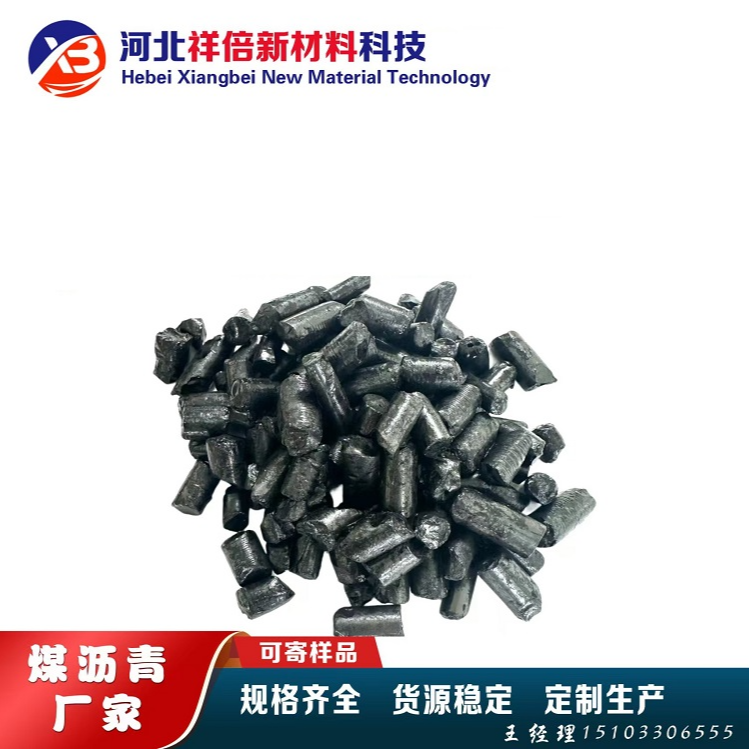
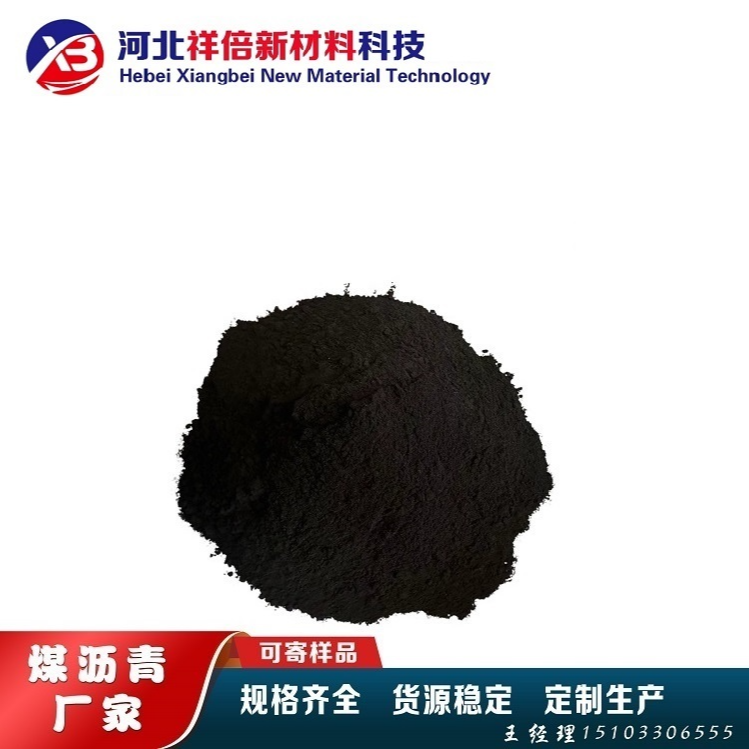
Blocky asphalt features the following performance characteristics:
High Softening Point: The softening point is typically above 100°C, with some products reaching over 200°C, suitable for high-temperature environments.
High bonding: Excellent bonding properties, effectively bonding aggregates, enhancing the overall performance of the material.
Hot Stability: Maintains stability at high temperatures, resists softening or flowing, suitable for refractory materials and high-temperature environments.
Corrosion Resistance: Excellent tolerance to chemicals such as acids and alkalis, extending service life.
Section 3: Application Fields
Block asphalt is widely used in various fields:
Road Engineering:
Asphalt Mixture Additive: Enhances the rut resistance and durability of road asphalt mixtures.
Patch Materials: Used for road repairs, filling cracks and potholes, and restoring road smoothness.
Waterproof materials:
Waterproof Membrane: Serve as the base material or additive for waterproof membranes to enhance their performance.
Waterproof Paint: Used for producing waterproof coatings, enhancing the adhesion and water resistance of the coating.
Fire-resistant materials
Binder: As a binder for refractory materials, it enhances the strength and high-temperature resistance of the material.
Carbon additive: Used in blast furnace tuyere material, spray filling material, etc., to improve furnace conditions and promote reactions.
Other Fields:
Metallurgy Industry: As a byproduct for iron alloys and other products, it improves the furnace condition.
Electrode Material: Used for manufacturing electrodes, featuring excellent conductivity and high-temperature resistance.


