






详情描述
I. Composition and Properties
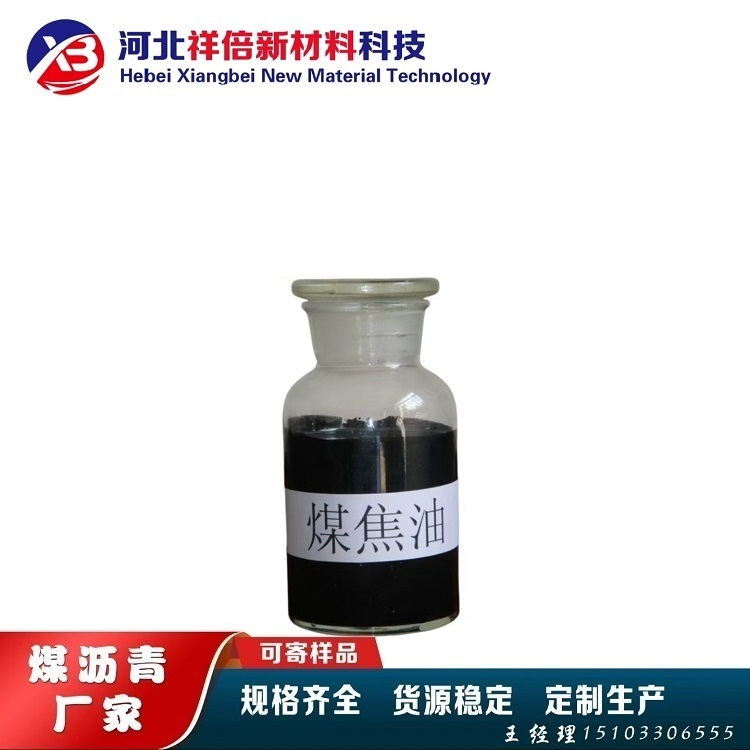
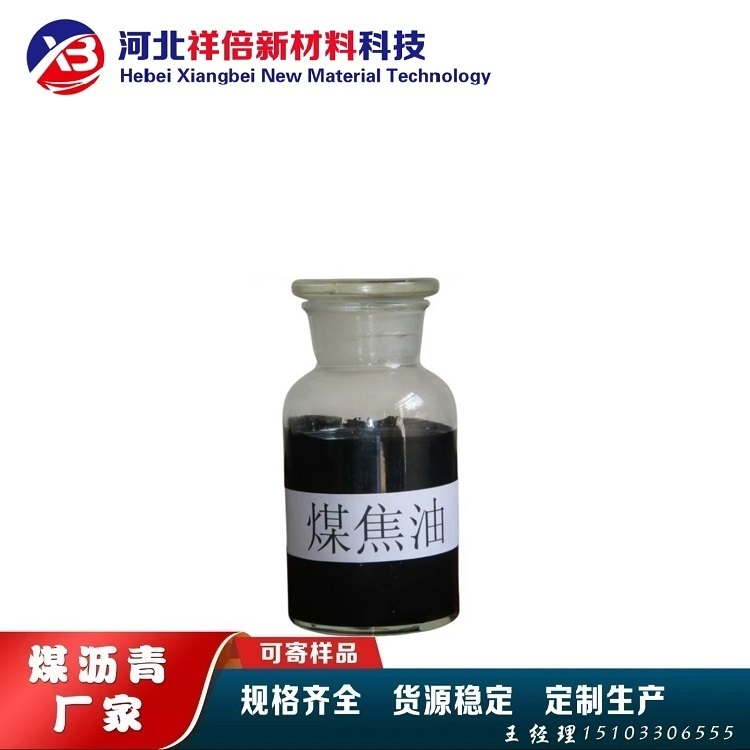
- Composition: The tar component is extremely complex, estimated to contain tens of thousands of organic substances, the majority being polycyclic and condensed ring compounds with side chains, as well as heterocyclic compounds containing oxygen, sulfur, and nitrogen. Additionally, it contains a small amount of aliphatic hydrocarbons, cycloalkanes, and unsaturated hydrocarbons. So far, nearly 500 compounds have been identified, accounting for approximately 55% of the tar's mass.
- Physical Properties: Heavier than water, slightly soluble in water, soluble in benzene, ethanol, and most organic solvents.
- Chemical Properties: Flammable and corrosive; its vapors can form explosive mixtures with air. It is highly flammable and explosive when exposed to open flame or high temperatures, and reacts violently with oxidizers.
II. Usage
- Industrial Sector
- Chemical Raw Materials: Used in the production of dyes, pesticides, plastics, synthetic fibers, etc. Provided for the production of resins, engineering plastics, dyes, paints, and pharmaceuticals; phenols and their homologues are used in the production of synthetic fibers, engineering plastics, pesticides, pharmaceuticals, fuel intermediates, explosives, etc.
- Fuel: Suitable for use as fuel oil and as blast furnace injection fuel.
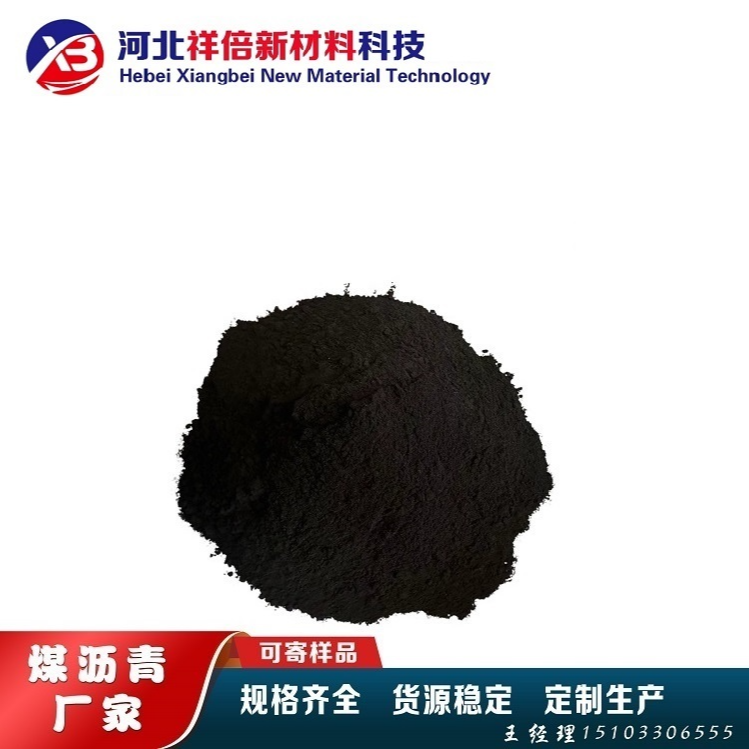
- Carbon black raw material: Used in the production of carbon black, which is applicable in industries such as rubber, plastic, and inks.
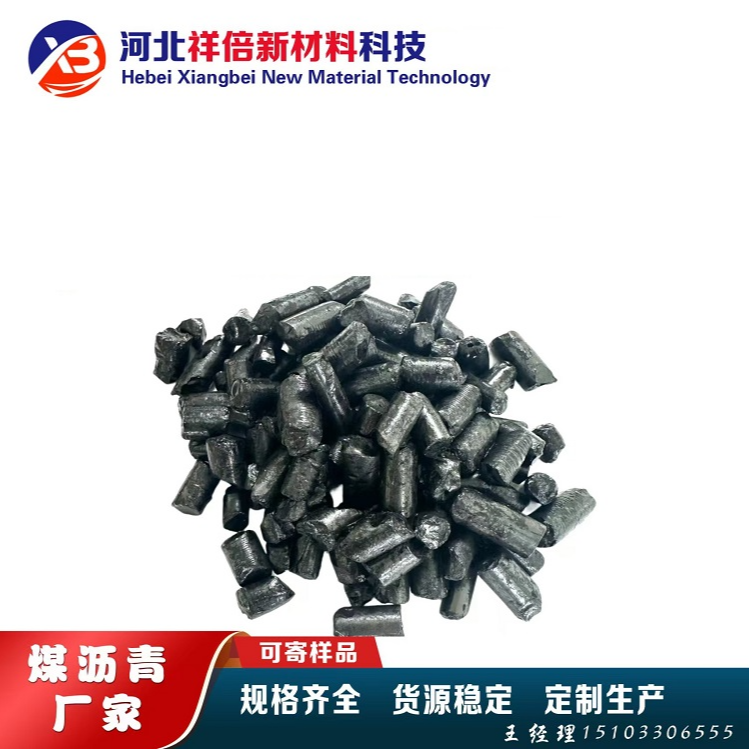
- Road Materials: Residual asphalt from coal tar distillation is used for manufacturing roofing paints, moisture barriers, road construction, and in the production of asphalt cokes and electric furnace electrodes, etc.
- Medical Field: Suitable for skin diseases such as psoriasis and seborrheic dermatitis.
Section 3: Categories
- By coking temperature
- Low-temperature tar: Brownish-black in color, with a lower density. Its composition mainly includes alkanes, olefins, and aromatic hydrocarbons, accounting for about 50%, and the content of phenols can reach around 30%.
- High-temperature Tar: Dark in color, with a high density, it is a byproduct of the secondary decomposition of low-temperature tar under high temperatures. It is a complex mixture primarily composed of aromatic hydrocarbons.
Section 4: Safety
- Toxicity: Coal tar is toxic, containing polycyclic aromatic hydrocarbons and other substances classified as IARC Group 1 carcinogens. Exposure to the skin may cause dermatitis, acne, folliculitis, phototoxic dermatitis, toxic melanoderma, warts, and tumors, and can lead to nasal septum damage.
- Protective Measures: Proper protection is required during contact to prevent accidental ingestion or inhalation of vapors. During storage and transportation, fire and explosion precautions must be taken to prevent leaks from polluting the environment.


