


- AllProduct Category
-
High-Speed Rail Continuity Ground Wire
DYJY Airport Guidance Lighting Cable
Flexible Mineral Insulated Cable
Electrified Railway 27.5kV Cable
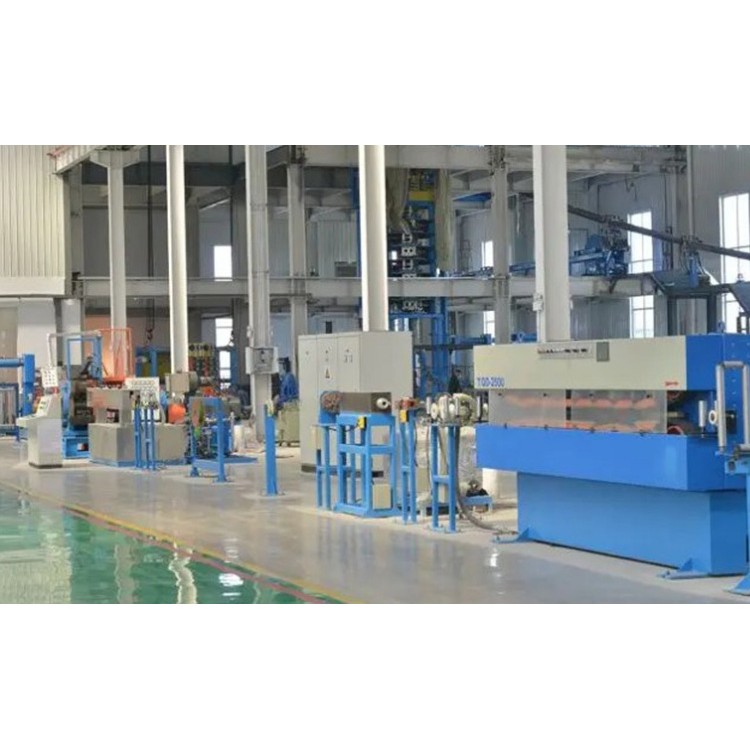
Factory Environment
Engineering Achievements



详情描述
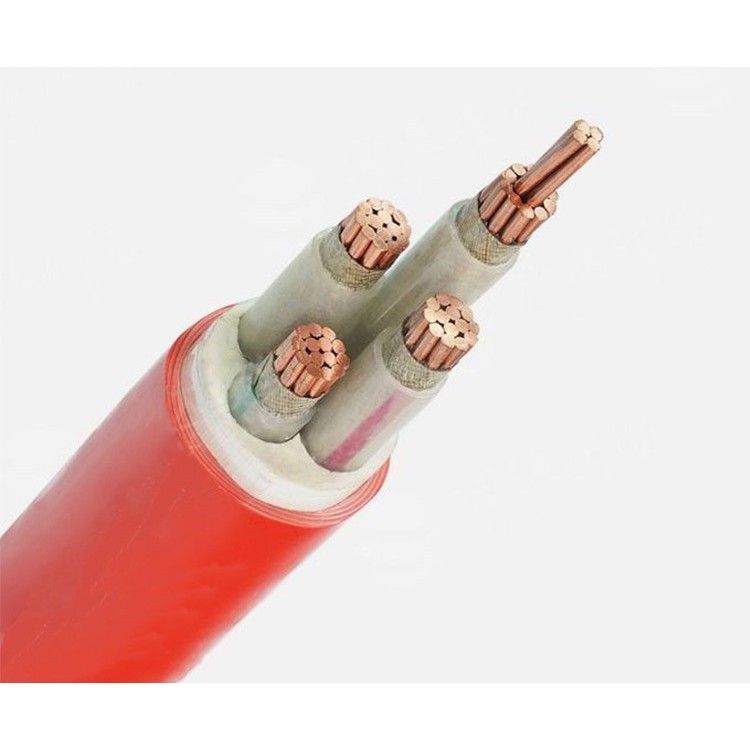
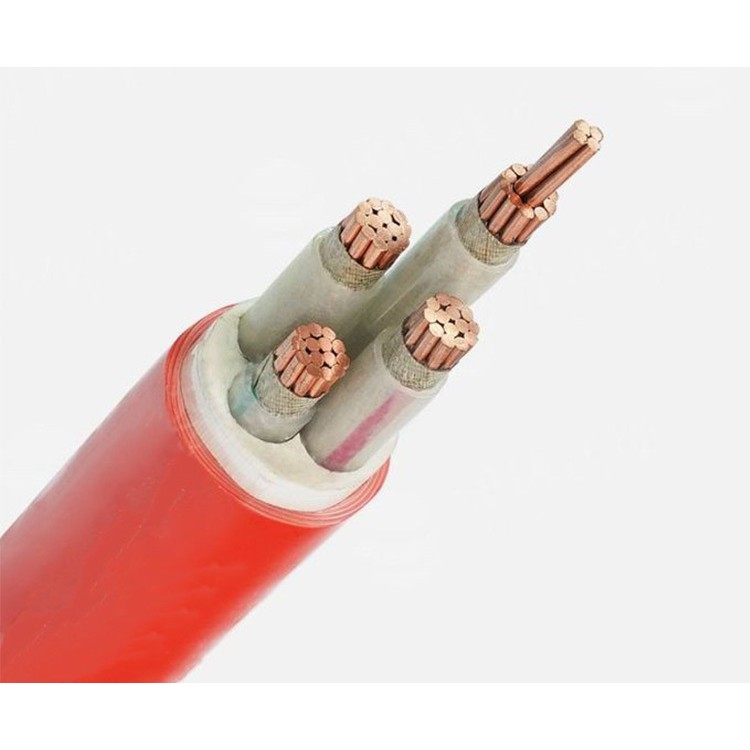
BBTRZ Flexible Mineral Insulated Cable Product Introduction
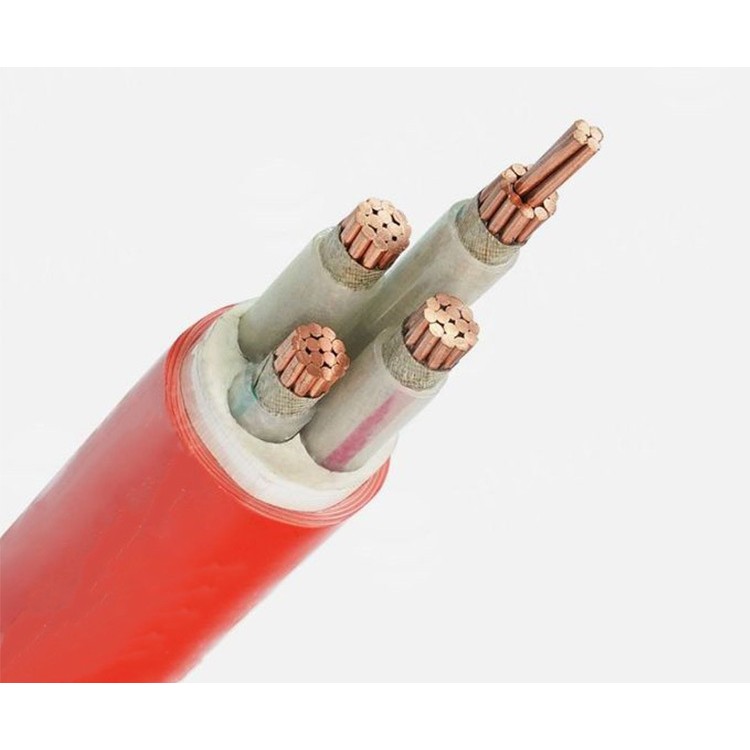
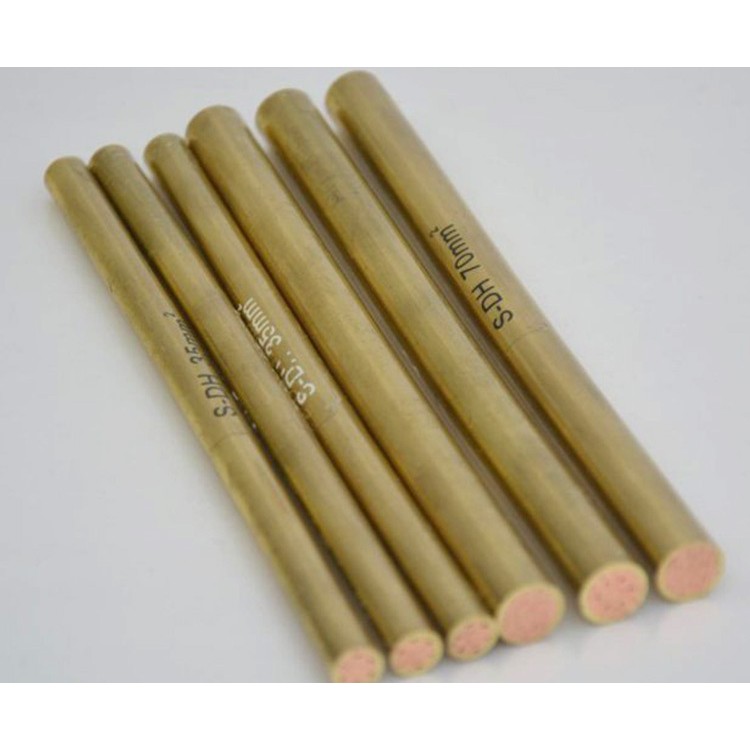
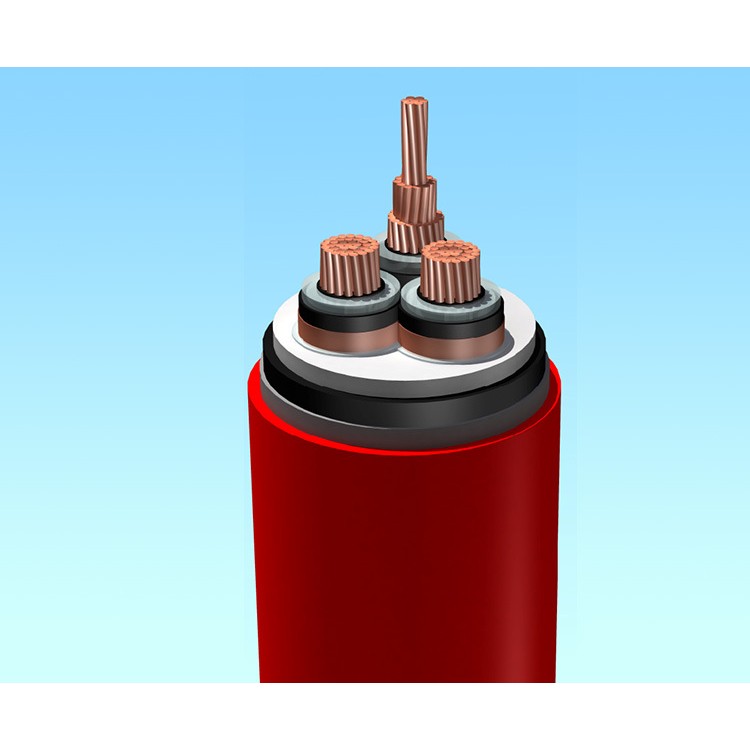
BBTRZ cable, also known as MI cable, is used in Switzerland and has gradually entered the Chinese market since the 1960s. Due to its inorganic material composition, it boasts superior fire resistance. It is commonly referred to as magnesium oxide cable or refractory cable in China. Currently, it can be categorized into rigid and flexible types based on structural characteristics. It is corrosion-resistant, rodent-proof, and has excellent waterproofing and overload capacity. The BBTRZ cable is widely used for laying power and distribution lines in important locations such as tunnels, cable trenches, bridges, conduits, shafts, high-rise buildings, rail transit, shopping malls, exhibition halls, garages, and data centers.
Product Name & Applicable Voltage
Flexible Mineral Insulated Fire Resistant Cable
Rated Voltage: 0.6/1kV
Model and Specification Range
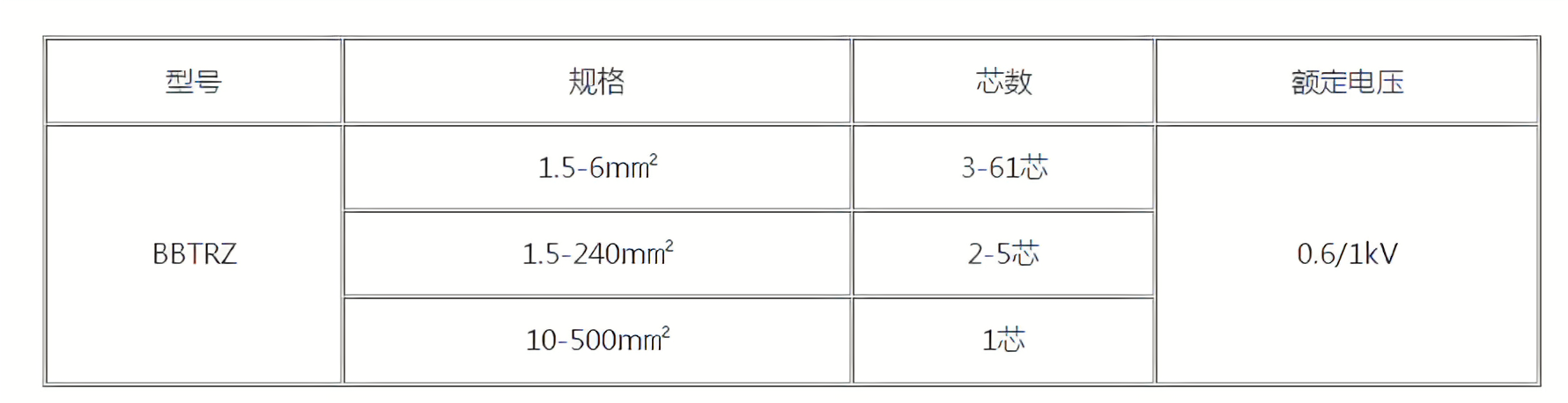
Model Descriptions and Product Examples
Product Code
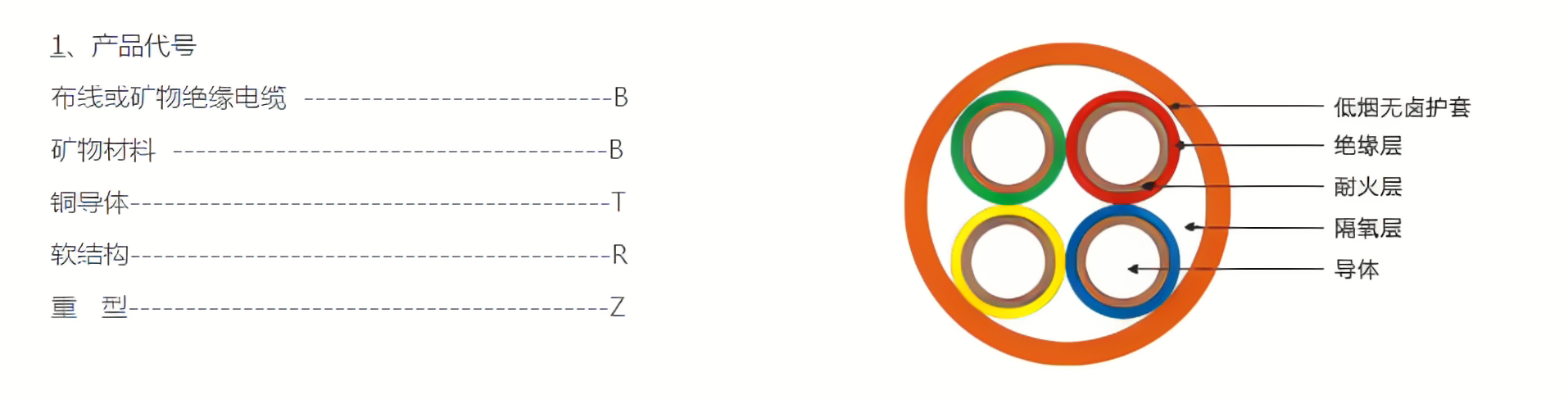
2. Product Representation Examples
For example:
Flexible refractory mineral insulated cables, rated voltage 0.6/1kV, 4 cores, nominal cross-sectional area 150mm², indicated as BTTRZ 0.6/1kV, 4*150
Mineral insulated flexible refractory cables, rated voltage 0.6/1kV, 1-core, nominal cross-sectional area 300mm², indicated as BTTRZ 0.6/1kV, 1*300
Product Name & Applicable Voltage
1. Comparison of Applicable Standards and Index Differences
This product complies with our company's enterprise standard Q/HYGK003-2014 "Flexible Mineral Fire Resistant Cable." GB/T12706.1 "Cable and Accessories for Power Cables with Insulation Sheath Extruded Under Rated Voltage of 1kV (Um=1.2kV) to 35kV (Um=40.5kV), including cables from 1kV (Um=1.2kV) to 3kV (Um=3.6kV)," GB/T17651 "Determination of Smoke Density of Cables or Optical Fibers Burning Under Specific Conditions," GB/T18380 "Combustion Test of Cables and Optical Fibers Under Present Flame Conditions," and BS6387 "Performance Requirements for Cable Integrity Under Flame Conditions."
2. Characteristics and Advantages of Mineral Insulated Flexible Refractory Cables
Fire-resistant properties:
Unpenetrated under continuous electrical power for 180 minutes at 950°C (C)
② Retains integrity after 15 minutes of water spray testing at 650℃ flame exposure
Withstand 15 minutes of impact vibration under 950℃ flame without puncturing (Z)
No intermediate joints
Mineral insulated flexible refractory cables can be custom-cut to length as per customer requirements, eliminating the need for intermediate joints, thereby reducing joint costs and enhancing cable stability.
Wide Coverage
Mineral insulated flexible refractory cables are available in lengths to meet customer requirements, delivered as a seamless, spool-fed whole cable, almost covering the needs of various specifications such as power cables and control cables.
Short supply lead time
Utilizing advanced production processes and mature manufacturing techniques, we achieve a shorter cable supply cycle, with standard models available for delivery within 7 working days.
Voltage Rating:
The voltage rating of mineral insulated flexible refractory cables can reach up to 0.6/1kV, whereas the standard BTT cables have a voltage of 750V.
Rodent and Ant Deterrent
Mineral insulated flexible refractory cables can be produced continuously without joints and possess rodent and ant-proof properties.
Softness:
Mineral insulated flexible refractory cables utilize stranded conductors and non-metallic sheaths, making the cables more flexible and lightweight.
Easy installation:
Due to the combination of mineral insulated flexible refractory cable technology with traditional cable production methods, installation and laying of the cables are more convenient, and issues with termination connections that commonly occur with mineral insulated cables (BTTZ) are avoided.
Low line loss, high cut-through capacity:
For cables with the same cross-section, mineral insulated flexible fire-resistant cables can transmit higher currents than other types, can withstand considerable overload, and if the rated current is the same, they have lower line losses than other cables.
Energy-saving and environmentally friendly
The cores of mineral insulated flexible refractory cables have a lower working temperature than other cable types, resulting in lower line losses during operation, reducing energy waste. Moreover, the cables are made of non-metallic materials, meeting environmental protection requirements.
Explosion-proof performance:
Highly compacted insulating materials in cables, along with the absence of intermediate joints, prevent steam, gases, and flames from entering electrical equipment connected to the cables, making them suitable for hazardous areas and for wiring connections in various explosion-proof equipment and materials.
Radiation protection:
Inorganic materials used in mineral insulated flexible refractory cables, which are radiation-resistant, ensure the cables have stability, long lifespan, and durability characteristics.
Ultra-flame retardant:
Mineral insulated flexible fire-resistant cables feature ultra-flame retardancy. A significant difference in the design of general flame retardant cable structures is the use of inorganic metal hydrates, such as aluminum hydroxide and magnesium hydroxide, instead of traditional polypropylene rope or glass fiber. These metal hydrates convert into metal oxides and water under flames, not only lowering the temperature of the burning cable but also tightly encapsulating the insulated core, preventing it from participating in thermal oxidation reactions. Therefore, even if the cable's capacity exceeds 28L/m during installation, it will self-extinguish instantly (its carbonization standard reduced from 2.5m to below 1.0m).
询价单

