


 通过中商114认证

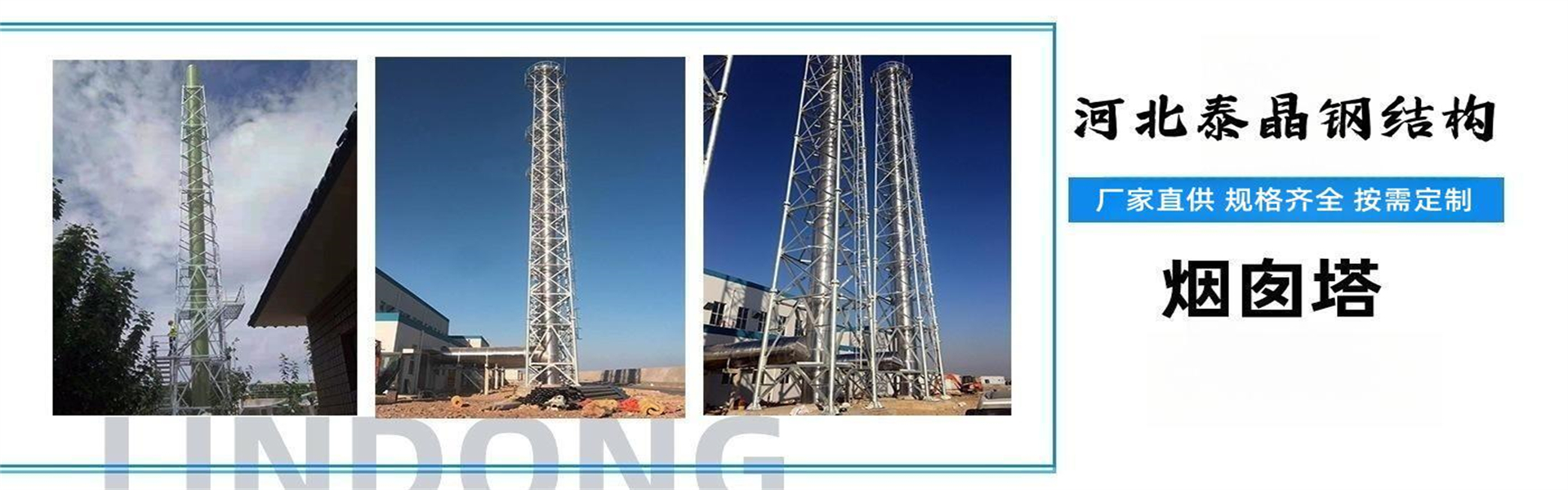
The materials used during the construction of the chimney, the temperatures encountered during use that cause surface damage, and the environmental conditions, all contribute to accelerated corrosion. Therefore, anti-corrosion treatment is required for the interior of the chimney. On-site construction must have adequate waterproof and rainproof facilities, and staff must receive thorough safety training. Extra caution is necessary during the construction process. Detailed information follows below.
Factors Affecting Chimney Corrosion Resistance
Chimney material
Stainless steel chimneys are primarily used in thermal power plants, and they come in two main types: single-tube and sleeve-type. The former consists of an outer layer made of reinforced concrete and an inner layer of acid-resistant bricks or mortar, with a relatively simple structure. The sleeve-type chimney has similar materials, essentially comprising a load-bearing outer sleeve of reinforced concrete and an inner brick sleeve made of acid-resistant refractory bricks, or a steel inner sleeve formed by the welding of steel plates. Therefore, when selecting materials for chimney corrosion protection, this factor should be thoroughly considered.
2. Flue operation temperature
Temperature is also a critical factor affecting the anti-corrosion effect of chimneys, so it requires special attention. Generally, after desulfurization, the temperature of flue gas is around 50 degrees Celsius; after passing through the GGH, it can reach about 80 degrees Celsius; if the FGD fails to operate normally, the flue gas temperature can reach around 130 degrees Celsius. It is evident that the operating temperature of the chimney varies, therefore, the anti-corrosion coating we implement must be capable of withstanding the repeated effects of different temperatures to prevent temperature from damaging the coating and affecting the anti-corrosion performance.
Chimney Corrosive Environment
Without a flue gas heat exchanger in the flue gas desulfurization system, the emitted flue gas is not ideal in terms of moisture, humidity, temperature, and density. This leads to the formation of a large amount of condensed acidic liquid on the inner surface of the chimney, and due to the influence of pressure, it creates a permeation pressure on the chimney surface. Therefore, the selected anti-corrosion material must have excellent permeation resistance.
