

Insulating bricks' primary advantages include their lightweight and heat-resistant properties, resistance to acidic and alkaline corrosion, high bulk density, and strength. They are widely used in high-temperature kilns in industries such as metallurgy, chemicals, electronics, and glass. These bricks feature low weight, high strength, low thermal conductivity, excellent insulation properties, and specific temperature characteristics.
Insulation bricks are widely used in the construction of industrial kilns across various industries such as national projects, chemical, metallurgy, machinery, building materials, electronics, coking, shipbuilding, rubber, and more. They offer excellent insulation properties for large kilns, boasting advantages such as reducing kiln weight, thinning kiln walls, altering kiln structure, improving heating speed, reducing energy consumption, improving labor conditions, and enhancing work efficiency. Lightweight insulation bricks are temperature-resistant, have high bulk density and strength, and are resistant to acidic and alkaline corrosion, making them extensively used in high-temperature kilns in metallurgy, chemical, electronics, glass, and other industries.
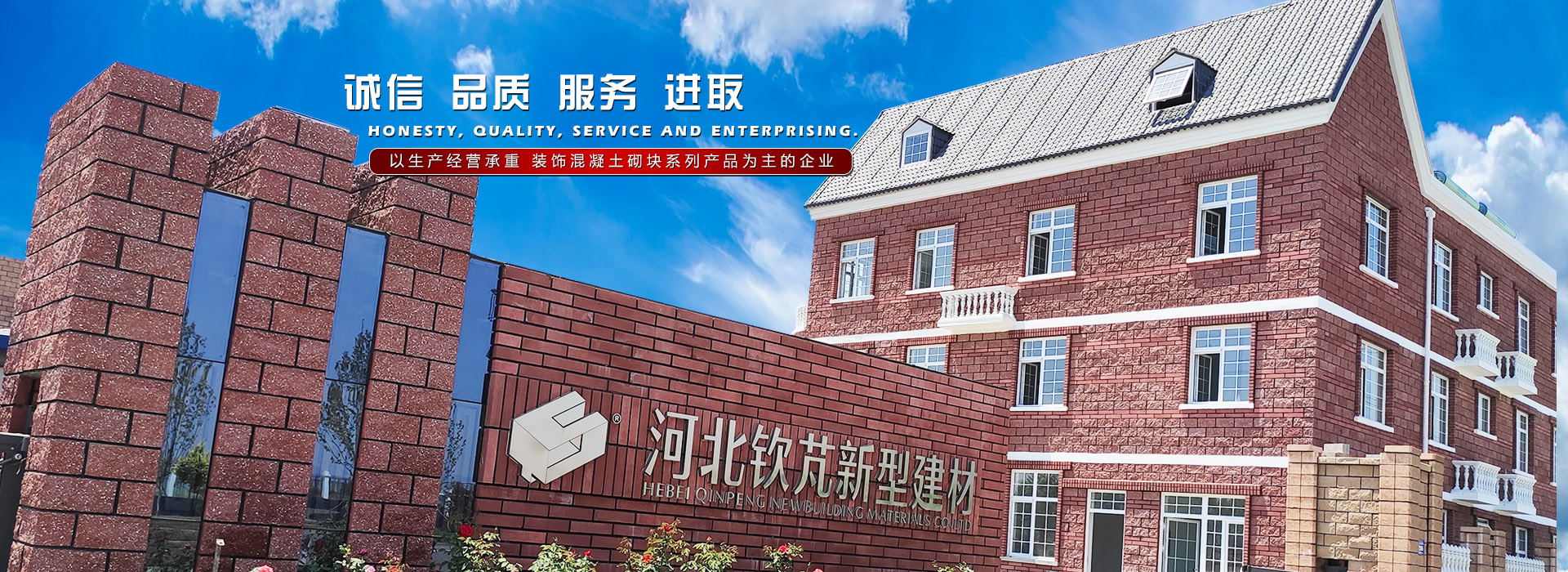
Insulation blocks, through continuous innovation and expansion, have now become an integrated enterprise specializing in professional refractory materials. The company adheres to product quality as its lifeblood and corporate integrity as its foundation, earning the trust and praise of numerous users in a fierce market competition.
