


A sound-absorbing column is a device used to reduce noise transmission. It is typically a column-like structure made of absorbent material, capable of absorbing noise and diminishing its propagation distance. Sound-absorbing columns are commonly found in urban roads, factories, construction sites, and other areas with severe noise pollution. Placed near the noise source, they can effectively reduce the impact of noise on the surrounding environment and residents.
Absorptive materials for sound mufflers are typically made of porous materials such as foam plastics, glass fibers, and rock wool, which can absorb noise and convert it into heat energy. The exterior of mufflers is usually smooth to reduce noise reflection and refraction. Additionally, the sound muffler can optimize the sound absorption by altering its shape and size.
The installation of muffler columns is typically between the noise source and the affected area to maximize the reduction of noise transmission. They can be installed individually, or arranged in a row or a fence to form a muffler wall, further enhancing the sound absorption effect.
In summary, a muffler column is an effective noise control device that reduces the impact of noise on the surrounding environment and residents, enhancing the comfort of living and working.
Composite soundproof screens are a type of partition used for sound insulation, composed of multiple layers. Their primary function is to block out external noise, providing a relatively quiet environment. Composite soundproof screens typically consist of an outer and inner layer, with a soundproofing material, such as soundproof cotton or foam, in between. The outer layer is usually made of metal or plastic, while the inner layer is made of soft materials like fabric or rubber. These screens can be used in offices, conference rooms, recording studios, factories, and other settings to enhance the working environment and quality of life.

Composite soundproof wall is a type of sound-insulating wall structure made up of a combination of various materials. It typically consists of an outer wall, an inner wall, a soundproofing layer, and an air layer.
The exterior layer of the composite soundproof wall serves as an external protective layer, which can be constructed using materials such as brick walls, concrete walls, etc., providing both sound insulation and thermal insulation functions.
The interior wall is the internal structure of a composite sound-insulating wall, typically constructed with materials such as brick walls or gypsum board walls, serving the purpose of sound insulation and heat insulation.
The soundproofing layer is the core component of composite soundproofing walls, commonly constructed with sound-absorbing materials such as rock wool, glass wool, and polyester fiber, effectively absorbing sound and blocking the transmission of noise.
The air layer is an essential component of the composite soundproofing wall, situated between the soundproofing layer and the interior wall, serving as a buffer and sound absorption element. The thickness and density of the air layer affect the soundproofing performance.
The advantages of composite soundproof walls include excellent noise reduction, effectively blocking the spread of noise to provide a quiet living environment. Additionally, these walls offer insulation, fire resistance, and durability, enhancing the overall performance of the building.
In summary, composite soundproof walls are a type of wall structure with multiple soundproofing functions, suitable for residential, office, hotel, and other buildings requiring sound insulation.
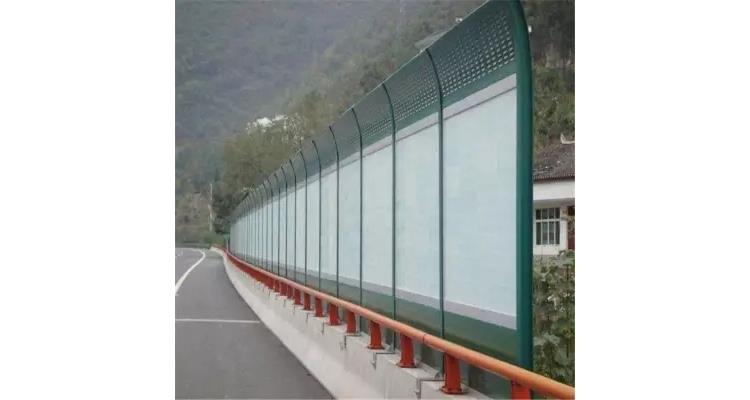
Road noise barriers are structures designed to reduce traffic noise. They are typically made of concrete or metal materials, featuring a certain height and thickness to isolate noise between roads and surrounding residential areas or sensitive buildings.
The design purpose of the road noise barrier is to reduce noise transmission through reflection, absorption, and blocking. It can decrease the impact of traffic noise on the surrounding environment and residents, thereby improving the quality of life and health of the residents.
The design of road noise barriers takes into account various factors, such as road type, traffic volume, and the distance between the road and residential areas. They are typically installed on both sides of the road or on the central median to minimize noise transmission to the greatest extent possible.
The effectiveness of road soundproof walls depends on factors such as materials, structure, and height. Generally, the taller and thicker the soundproof wall, and the use of absorbent materials, the better the soundproofing effect. Additionally, the design of soundproof walls should also consider visual and aesthetic factors to avoid adverse effects on the surrounding environment.
In summary, soundproof road barriers are an effective measure for reducing the impact of road traffic noise on the surrounding environment and residents, enhancing the quality of life and health.
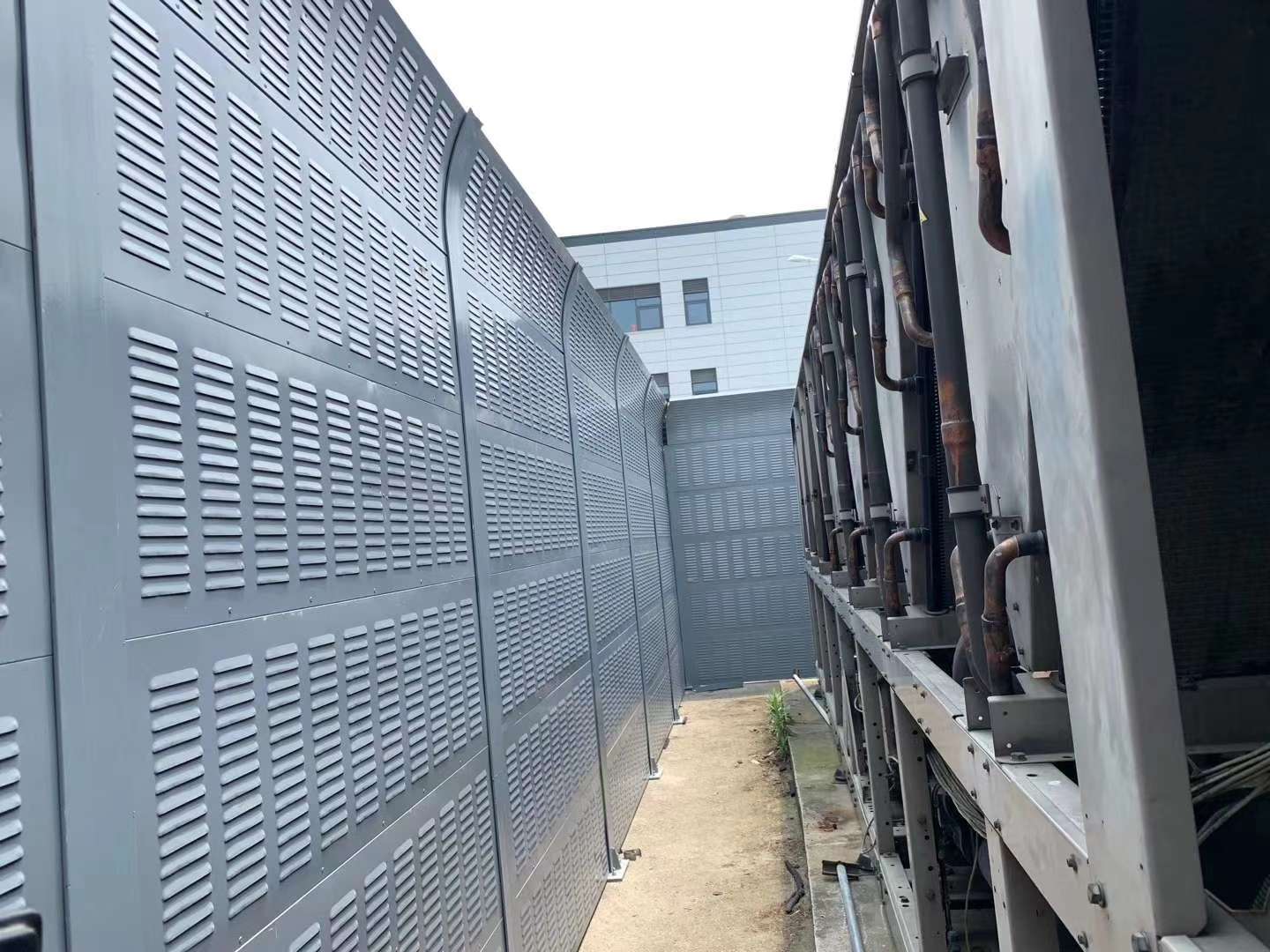
Road noise barriers are screens or soundproof walls designed to reduce road noise. They are typically composed of absorbent materials, soundproofing materials, and supporting structures. Road noise barriers can be installed on both sides of the road or on the central divider to minimize the impact of traffic noise on the surrounding environment and residents.
Acoustic materials for road noise barriers absorb the energy of traffic noise, reducing noise reflection and transmission.隔音 materials are used to block noise transmission, preventing further spread into the surrounding environment. The supporting structure is designed to support and secure the overall structure of the noise barrier.
The design and material selection of road noise barriers must consider the frequency and intensity of road noise, as well as the characteristics of the surrounding environment. Common noise-reducing materials include sound-absorbing panels, sound-insulating glass, and noise-blocking bricks. The height and length of the noise barriers also need to be determined based on the specific road and surrounding environment to achieve optimal noise reduction.
Road noise barriers effectively reduce traffic noise's impact on surrounding residents and the environment, enhancing the quality of life. Additionally, they minimize noise distractions for drivers, thereby improving road safety. Consequently, road noise barriers are widely used in urban roads and highways, among other traffic locations.
An elevated noise barrier is a sound-insulating wall constructed alongside elevated roadways to reduce the impact of noise generated by the roadways on nearby residents and the environment. Elevated roads often produce a significant amount of traffic noise, including the sounds of vehicles moving, engine noises, and braking, which can affect the lives and health of residents in the vicinity.
The design and construction of elevated noise barriers require consideration of various factors, such as the location of the noise source, the height and width of the elevated road, and the distribution of surrounding buildings. The barriers typically use sound-insulating materials like concrete, glass fiber, and sound-absorbing materials to effectively absorb and isolate noise. Additionally, the height and length of the barriers should be tailored to the specific situation to maximize noise reduction.
The construction of elevated noise barriers can significantly reduce the impact of noise on surrounding residents and the environment, enhancing the quality of life. Additionally, it can improve the urban environment quality and minimize noise disturbance to animals and plants. Therefore, elevated noise barriers are widely used in residential areas adjacent to elevated roads and busy traffic intersections during urban planning and construction.
