


A muffler is a device used to reduce noise, commonly installed on machinery or engine exhaust pipes. Its primary function is to lower noise levels by reducing the speed of exhaust gas flow and altering the direction of the gas stream. Mufflers are typically made of metal or ceramic materials and feature complex internal structures that can reduce noise transmission through absorption, reflection, and interference. They are widely used in vehicles, generators, industrial equipment, and other fields, effectively reducing the impact of noise on both the environment and human health.
Road noise barriers are screens or soundproof walls designed to reduce road noise. They are typically composed of absorbent materials, soundproof materials, and supporting structures. Road noise barriers can be installed on both sides of the road or on the central median to minimize the impact of traffic noise on the surrounding environment and residents.
Acoustic materials for road noise barriers absorb the energy of traffic noise, reducing noise reflection and transmission.隔音 materials are used to block noise transmission, preventing further dispersion into the surrounding environment. The supporting structure is designed to support and secure the overall structure of the noise barrier.
The design and material selection of road noise barriers must consider the frequency and intensity of road noise, as well as the characteristics of the surrounding environment. Common noise-insulating materials include sound-absorbing panels, soundproof glass, and soundproof bricks. The height and length of the noise barriers should also be determined based on the specific road and surrounding environment to achieve optimal noise reduction.
Road noise barriers effectively reduce the impact of traffic noise on surrounding residents and the environment, enhancing the quality of life for residents. Additionally, they minimize distractions for drivers caused by traffic noise, thereby improving road safety. As a result, road noise barriers are widely used in urban roads, highways, and other traffic locations.
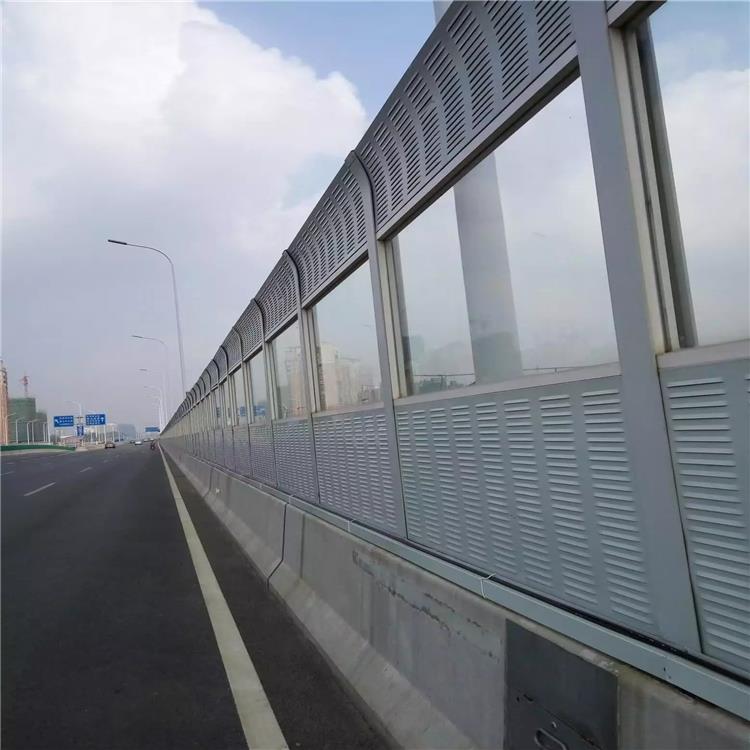
Road noise barriers are structures designed to reduce traffic noise. They are typically made of concrete or metal materials, featuring a certain height and thickness to isolate noise between roads and surrounding residential areas or sensitive buildings.
The design purpose of the noise barriers on the road is to reduce noise transmission through reflection, absorption, and obstruction. They can decrease the impact of traffic noise on the surrounding environment and residents, enhancing the quality of life and health for the residents.
The design of road noise barriers takes into account various factors, including road type, traffic volume, and the distance between the road and residential areas. They are typically installed on both sides of the road or on the central median to minimize noise transmission as much as possible.
The effectiveness of noise barriers on roads depends on factors such as material, structure, and height. Generally, the higher and thicker the barrier, and the use of sound-absorbing materials, the better the effect. Additionally, the design of noise barriers must also consider visual and aesthetic factors to avoid adverse effects on the surrounding environment.
In summary, noise barriers along roads are an effective measure to reduce the impact of traffic noise on the surrounding environment and residents, thereby improving the quality of life and health.

Porous sound barrier is a building material used for noise reduction, featuring perforated characteristics to effectively decrease the propagation and reflection of sound waves. Porous sound barriers are typically made of metal and have a surface with numerous small holes, which block the transmission of sound waves, thereby reducing the noise transmission effect.
The perforated sound barrier features the following characteristics:
1. Excellent sound insulation: The hole diameter and spacing of the perforated sound barrier can be adjusted as needed to achieve varying degrees of sound insulation.
2. Excellent Breathability: The perforations in the sound barrier allow for air circulation, affecting the ventilation and breathability within the building.
3. Durable: Perforated noise barriers are typically made of corrosion-resistant metals, offering a longer service life.
4. Aesthetically pleasing: The surface of the perforated noise barrier can be treated in various ways, such as painting or galvanizing, to enhance its aesthetic appeal.
Porous sound barriers are widely used in construction, transportation, and industrial sectors for noise reduction and sound insulation purposes. They can be applied in places like highways, railways, airports, and factories, effectively reducing the impact of noise on the surrounding environment and people.
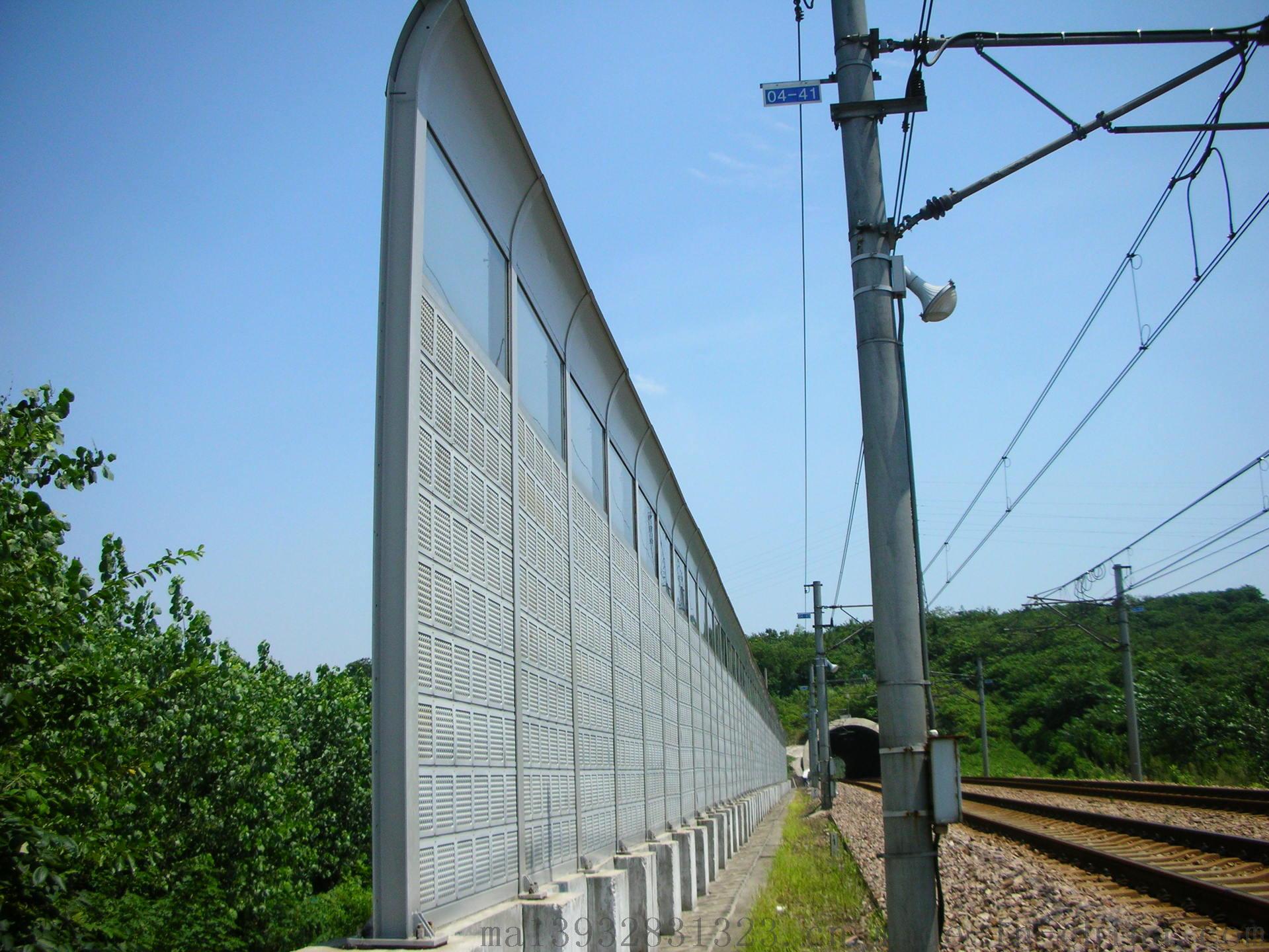
Porous noise reduction screens are a barrier material used for soundproofing, commonly made of metal plates. They feature numerous small holes on the surface, which absorb and scatter sound waves, thereby reducing the transmission and reflection of noise. These screens are often used in industrial equipment, machinery, vehicles, and other locations where noise reduction is necessary. Not only do they effectively minimize the impact of noise on the surrounding environment, but they also offer a certain degree of visual privacy. The diameter and spacing of the holes in the porous noise reduction screens can be adjusted to meet specific requirements for optimal soundproofing.
Highway noise barriers are soundproof walls constructed alongside elevated roadways to minimize the impact of noise generated by these roads on nearby residents and the environment. Elevated roads often produce a significant amount of traffic noise, including the sounds of vehicles moving, engine noise, and braking, which can affect the lives and health of residents in the vicinity.
The design and construction of elevated noise barriers require considering various factors, including the location of the noise source, the height and width of elevated roads, and the distribution of surrounding buildings. The barriers typically use soundproof materials such as concrete, glass fiber, and absorbent materials to effectively absorb and isolate noise. Additionally, the height and length of the barriers need to be designed based on specific conditions to maximize noise reduction.
The construction of elevated noise walls can significantly reduce the impact of noise on surrounding residents and the environment, enhancing the quality of life for residents. Additionally, it can improve the environmental quality of the city and minimize noise disturbance to animals and plants. Therefore, elevated noise walls are widely used in residential areas adjacent to elevated roads and busy traffic intersections during urban planning and construction.
