
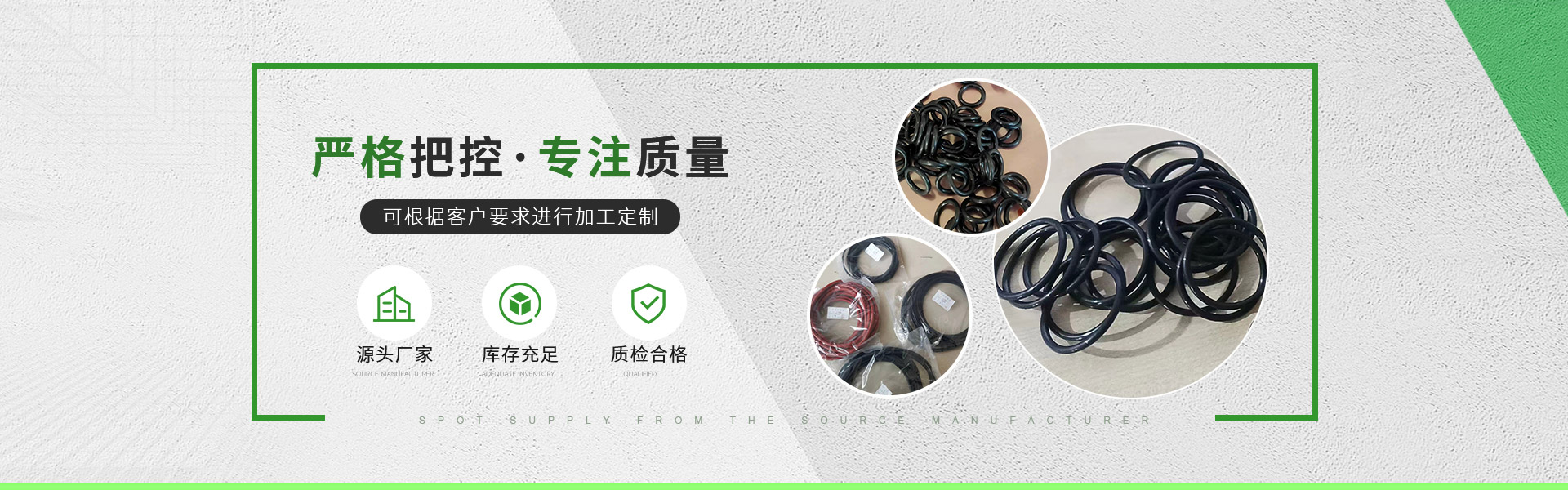
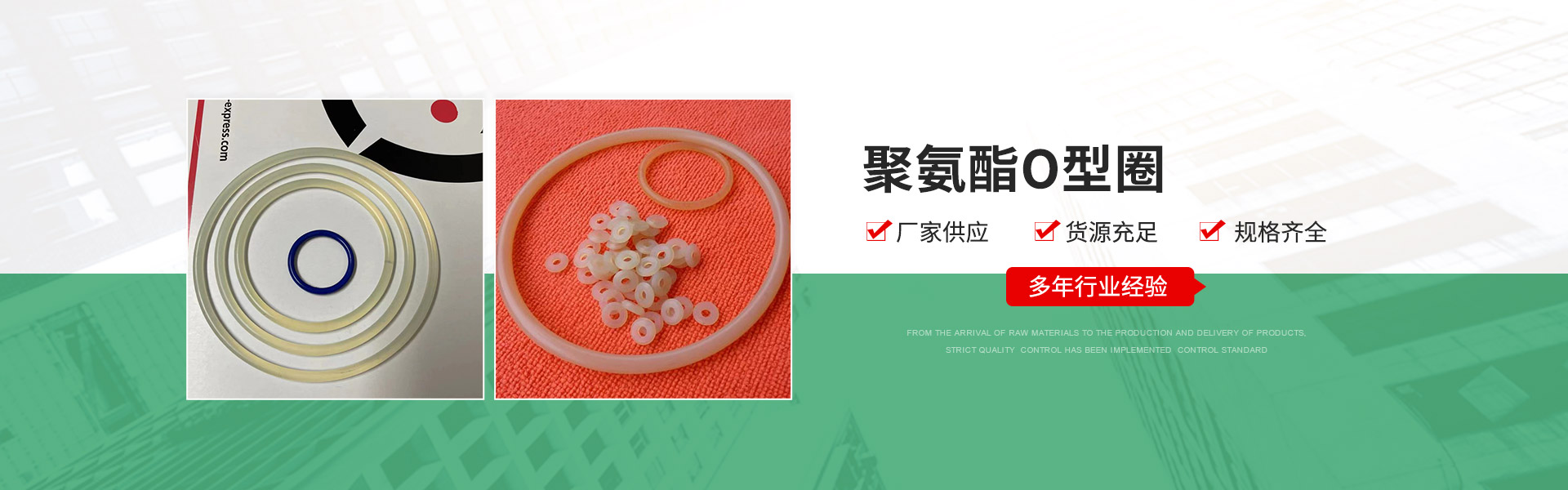
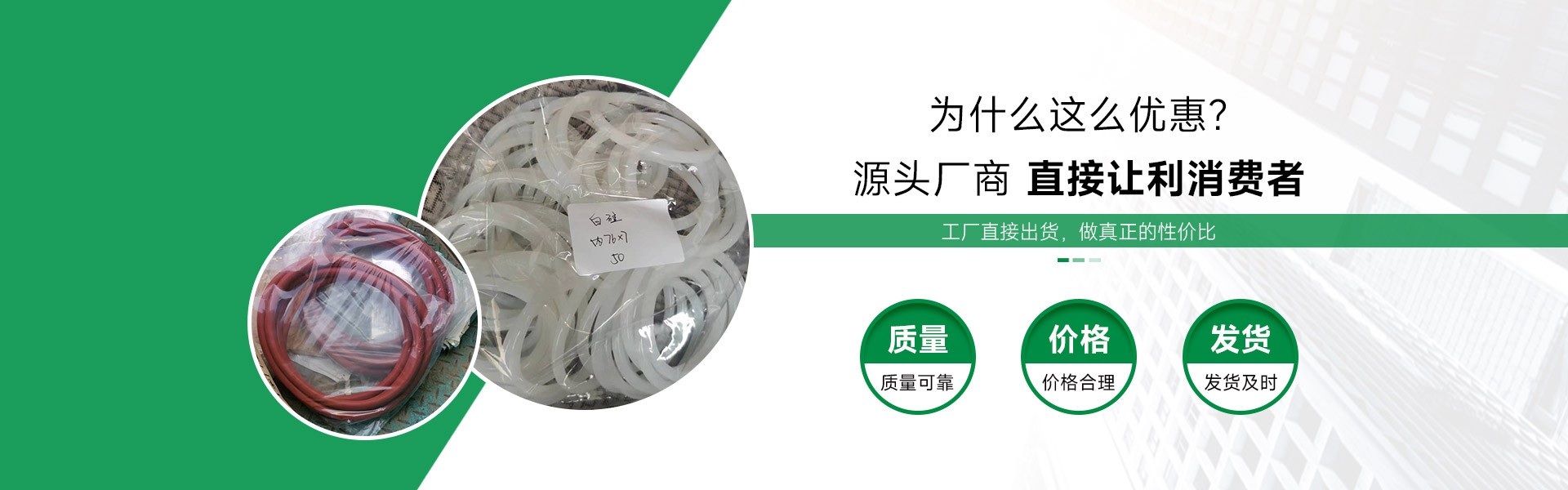
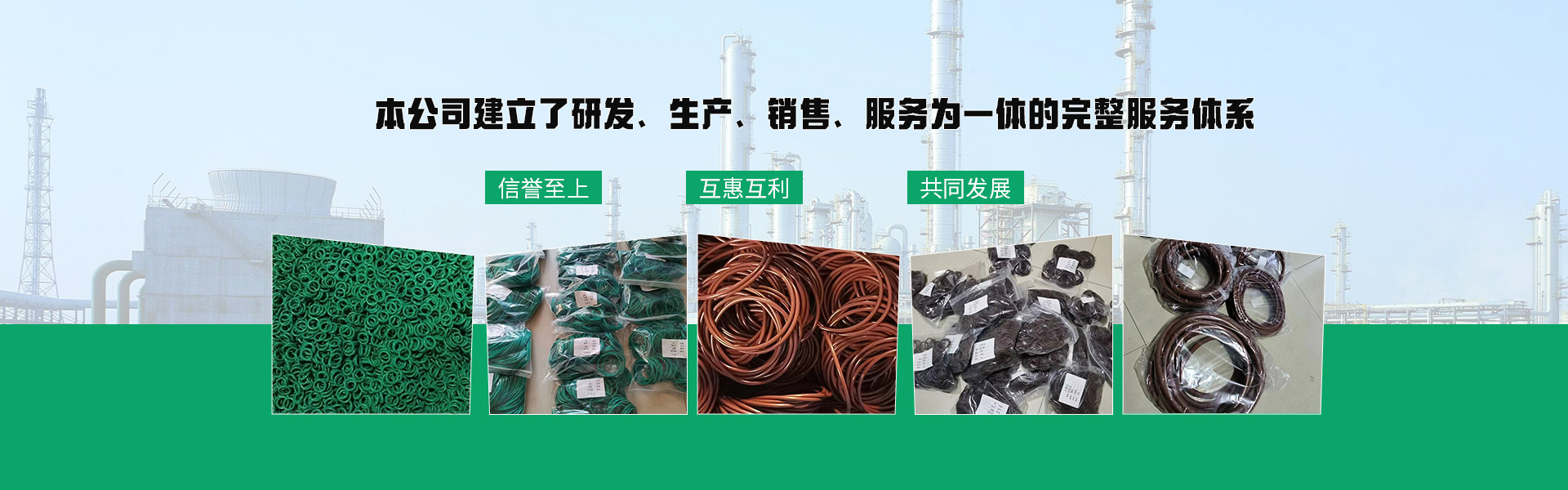


An O-ring is a rubber sealing ring with a cross-section in the shape of the letter "O," hence the name. Its primary function is to prevent leakage of liquid and gaseous media in mechanical components under static conditions. In some cases, O-rings are also used as dynamic sealing elements for axial reciprocating and low-speed rotational movements. Different applications can choose O-rings made from different materials based on varying conditions.
Common O-ring materials include nitrile rubber, fluoro rubber,三元乙丙橡胶(SI), and silicone. In addition to the aforementioned four materials, other materials such as polyurethane rubber (PU), natural rubber (NR), butyl rubber (BU), sulfurized polyethylene, polytetrafluoroethylene, chloroprene rubber (CR), and acrylate rubber are also used in the production and manufacturing of O-rings.
O-rings offer cost-effective and efficient solutions for designers in various fixed and dynamic sealing applications. O-rings are a type of two-way acting sealing element. During installation, initial radial or axial compression enhances the O-ring's inherent sealing capability. The sealing force generated by system pressure combines with the initial sealing force to form the total sealing force, which increases with the rise of system pressure.
Here are some advantages and disadvantages of O-rings summarized for your reference, hoping to further help you understand this common sealing component:
Advantages of O-rings summarized
The sealing part has a simple structure, is compact in installation, and is relatively lightweight.
Features self-sealing properties, typically requiring only one sealing element to achieve ideal sealing results.
Excellent sealing performance, almost no leakage during the sealing process, unless there is some leakage in high-speed motion seals.
The motion friction resistance is extremely low, making it well-suited for applications with varying pressures.
Standardized dimensions and grooves with low cost and easy procurement.
