
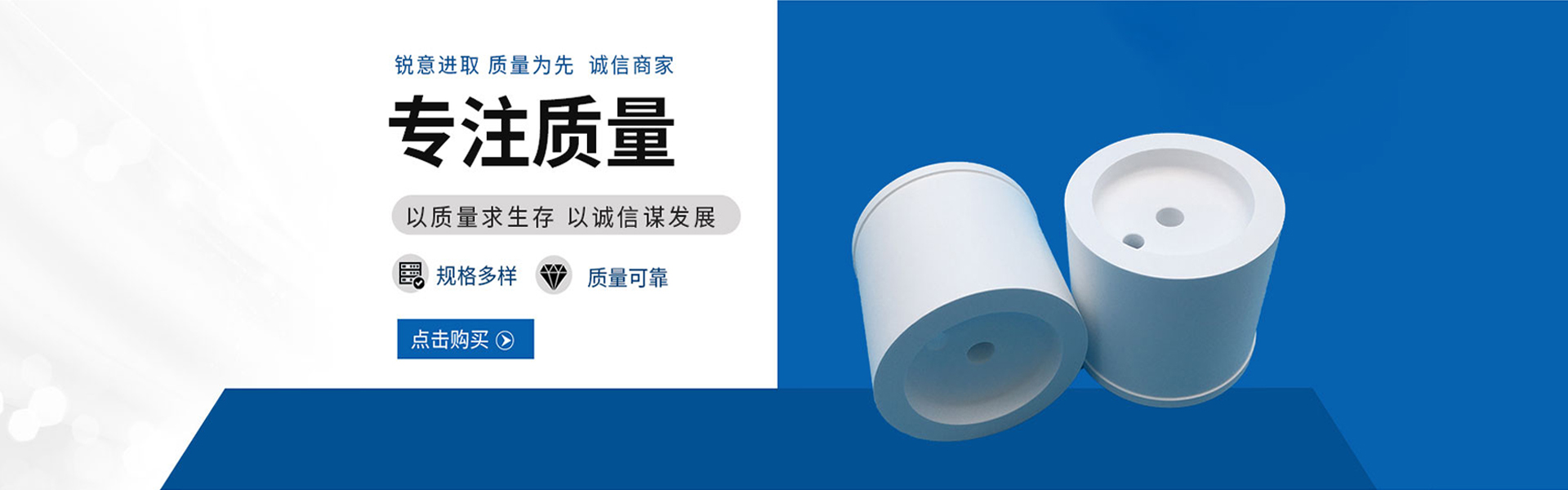
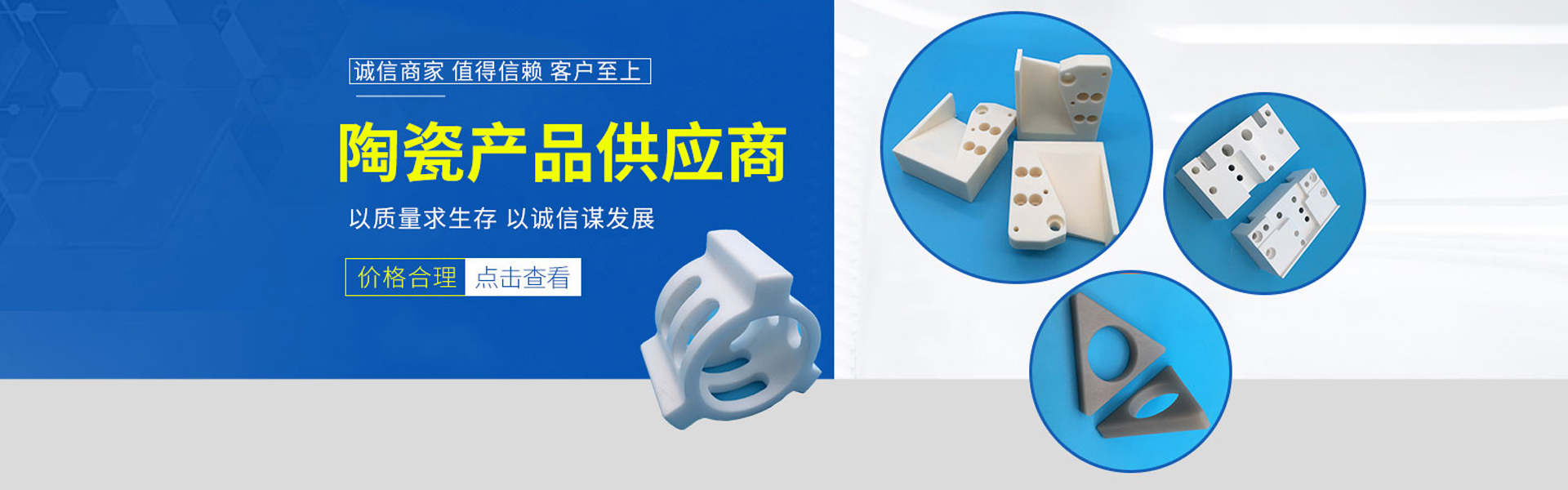
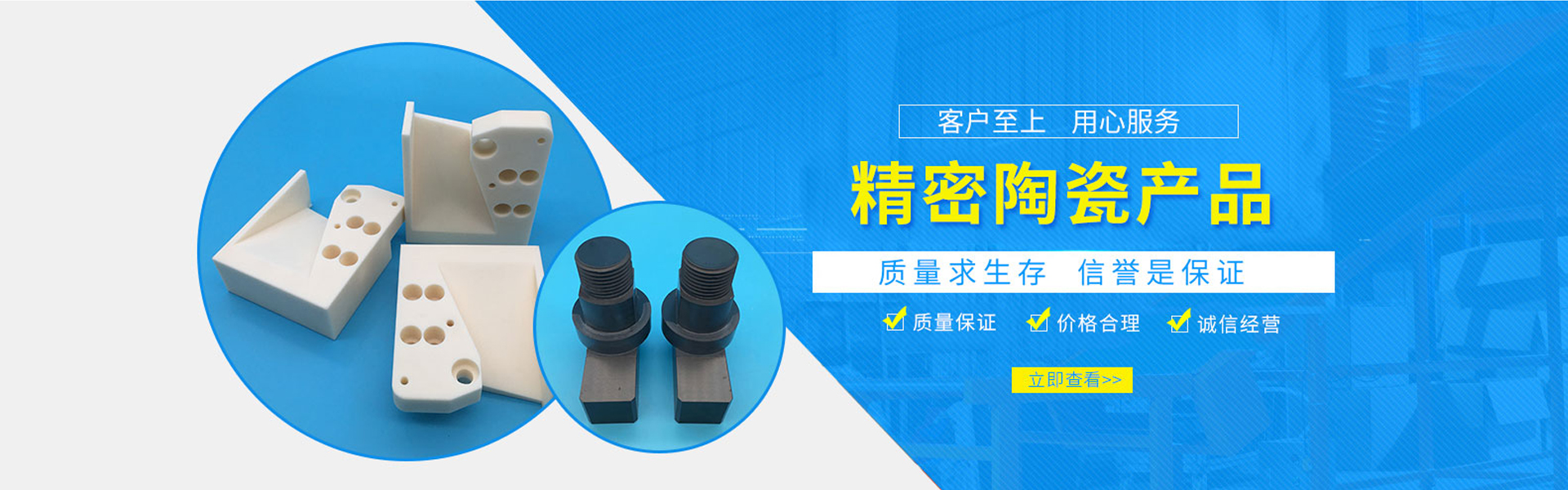

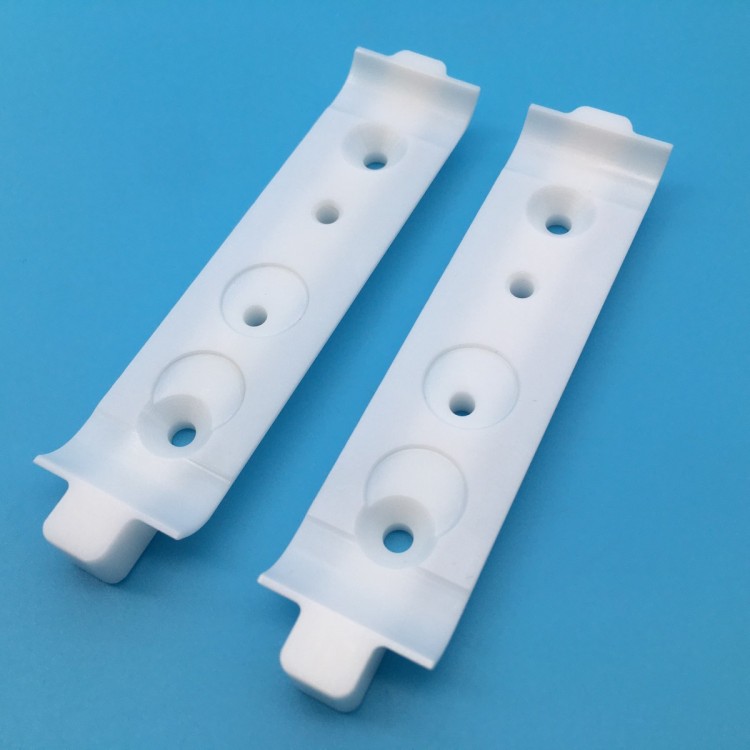
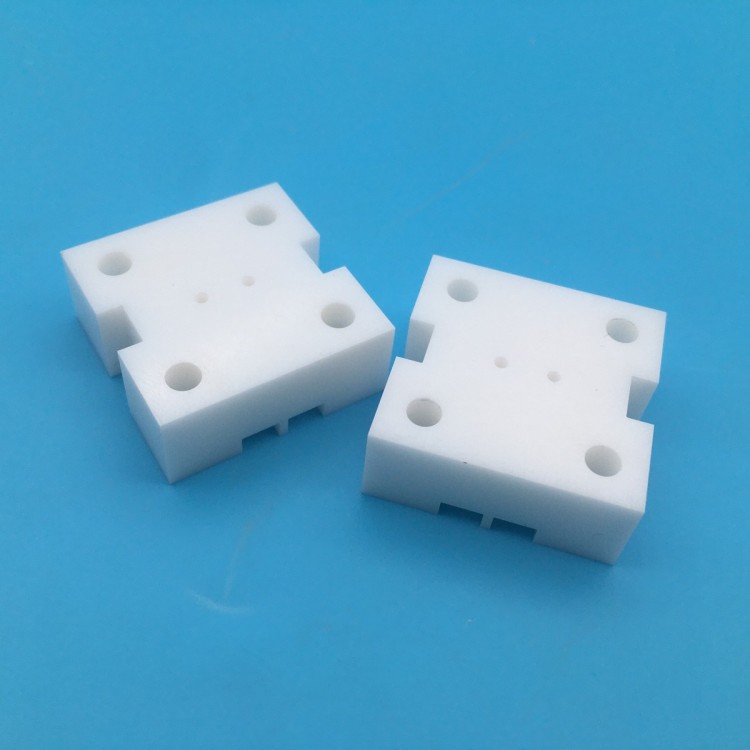

Zirconia ceramic is a novel high-tech ceramic that, in addition to having the expected high strength, hardness, resistance to high temperatures, and corrosion from acids and alkalis, and high chemical stability of precision ceramics, also boasts greater toughness than general ceramics. This makes zirconia ceramic applicable in various industries, such as shaft seals, bearing components, cutting tools, molds, automotive parts, and even for human use, such as in artificial joints.
In the consumer electronics field, zirconia ceramic, with its hardness nearly matching sapphire and a total cost less than a quarter of sapphire, boasts a higher bend resistance than glass and sapphire. Its dielectric constant ranges from 30 to 46, is non-conductive, and doesn't block signals, making it popular for fingerprint recognition module stickers and smartphone back panels.
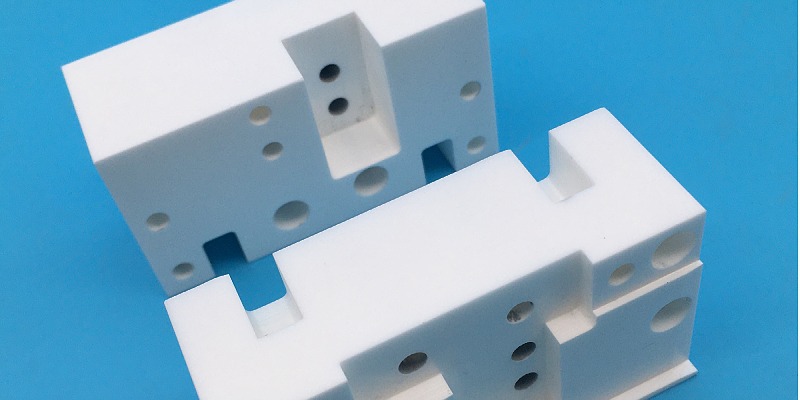
From a chemical perspective: Zirconia ceramic exhibits excellent inertness, acid and alkali resistance, and non-aging properties, far surpassing plastics and metals.
2. In terms of communication performance: Zirconia has a dielectric constant three times that of sapphire, offering greater signal sensitivity and is particularly suitable for fingerprint recognition chips and the like. In terms of shielding effectiveness, zirconia ceramic, as a non-metallic material, does not shield electromagnetic signals, thus having no impact on internal antenna arrangements. It allows for convenient one-piece molding.
3. From a physical property standpoint: Ceramics, as structural components in consumer electronics, possess a robust vitality. Particularly, zirconia ceramics have proven to be a very nice material for structural components in fields such as optical communication and industry. Entering the consumer electronics sector is simply the natural progression after their costs have decreased and their brittleness has been improved. In terms of hardness, zirconia ceramics have a Mohs hardness of around 8.5, which is very close to sapphire's 9 on the Mohs scale. Polycarbonate has a Mohs hardness of 3.0, tempered glass has a Mohs hardness of 5.5, aluminum-magnesium alloy has a Mohs hardness of 6.0, and Corning glass has a Mohs hardness of 7.
