

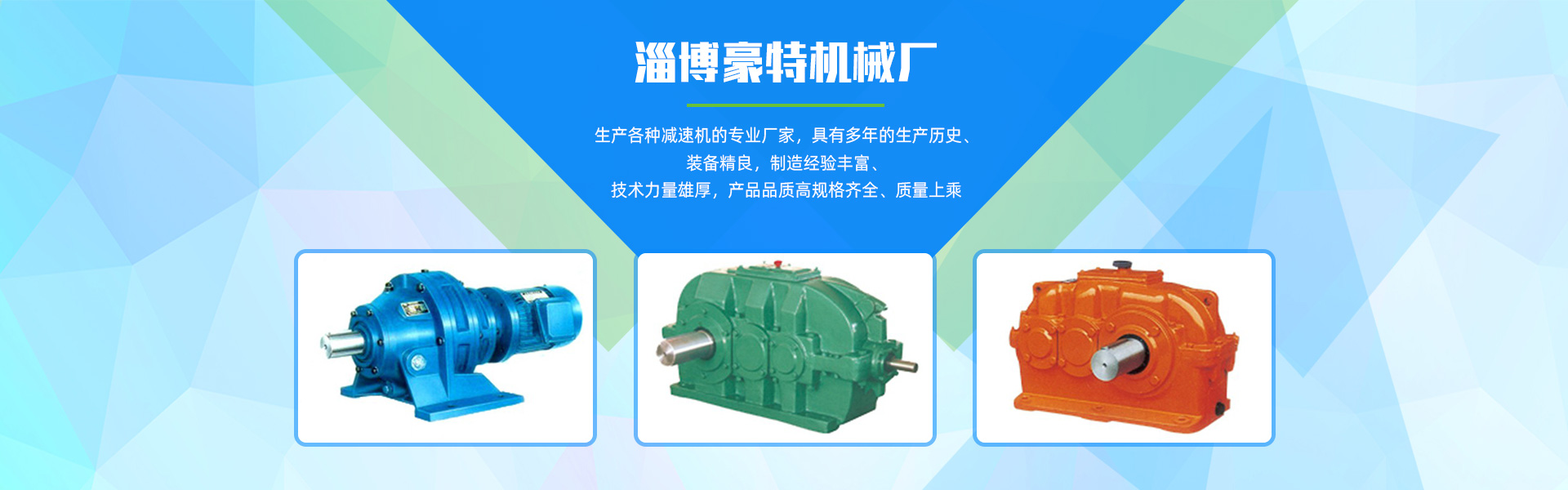

The reducer is the power transmission mechanism in low-speed, high-torque mechanical drives. It is applied in various fields such as construction machinery, lifting and transportation, smelting, petrochemicals, construction equipment, instruments and meters, automobiles, ships, and aerospace. Due to the harsh operating environment of reducers, failures often occur during operation, often caused by lubricant issues.
The Role of Gearbox Lubricant
Lubricating oil in the reducer plays a crucial role in gear transmission by reducing friction and wear between various bearings such as ball, roller, needle, and rolling bearings, as well as mechanical transmission components. It decreases frictional resistance between contacting surfaces, reduces energy consumption, enhances the transmission efficiency of the machine, extends the service life of components, and ensures the normal operation of the equipment. Additionally, the lubricant in the reducer serves to absorb vibrations, cool down, dissipate heat, prevent rust, and reduce noise.
Section Two: Major Forms of Failure in Reducers Due to Lubricant Issues
1. The internal structure design of the reducer is not standardized.
In the reducer structure, the cover plate above the inspection hole is too thin, leading to deformation and oil leakage upon tightening the screws due to the gap. Additionally, the casting parts were not annealed during manufacturing, causing deformation and gaps, which also lead to oil leakage. Moreover, without a return oil groove designed in the housing, excessive lubricating oil accumulates at the junction of the reducer housing end cover and structure. This results in oil leakage from the mating gaps due to pressure differences.
2. Oil leakage from the cabinet has caused environmental pollution.
In gearboxes, oil leakage can occur due to damaged oil seals, worn-out gaskets, loose oil plugs, or broken oil level indicators, leading to leaks in the housing. Additionally, excessive oil levels, high oil levels, or multiple cold starts can cause the lubricant to foam, resulting in significant oil leakage through the breather plug and severe environmental pollution.
3. Excessive oil temperature leads to component damage
During operation, the reducer's internal lubricant temperature rapidly increases due to insufficient lubricant quantity or overloading of the equipment, leading to localized damage to the reducer's internal components. Some parts, due to unresolved internal stress, deform significantly upon heating, causing a decrease in reducer accuracy. Others may suffer damage when their material strength is reduced at high temperatures. Additionally, in reducers that operate inefficiently, with significant power loss, during operation, if foreign objects enter, the transmission parts may become jammed, resulting in uneven operation or abnormal vibration.
4. Vibration and noise contribute to environmental pollution
After the reducer is started, the machine may experience significant vibration due to gear and bearing wear, or poor assembly of the transmission unit. Reasons such as bearing damage, gear wear, gear damage, or foreign objects getting stuck can cause the machine to emit a loud, persistent, and piercing sound. These malfunctions can lead to severe noise pollution.
5. Poor lubrication of gear pairs leads to gear surface wear
Due to the harsh operating environment of the reducer, the lubricating oil film is difficult to form and maintain stability between the meshing surfaces, leading to pitting on the gear surfaces, as well as friction wear and deformation in the bearing housing and gear shaft diameters, ultimately resulting in severe wear on the gear surface.
