


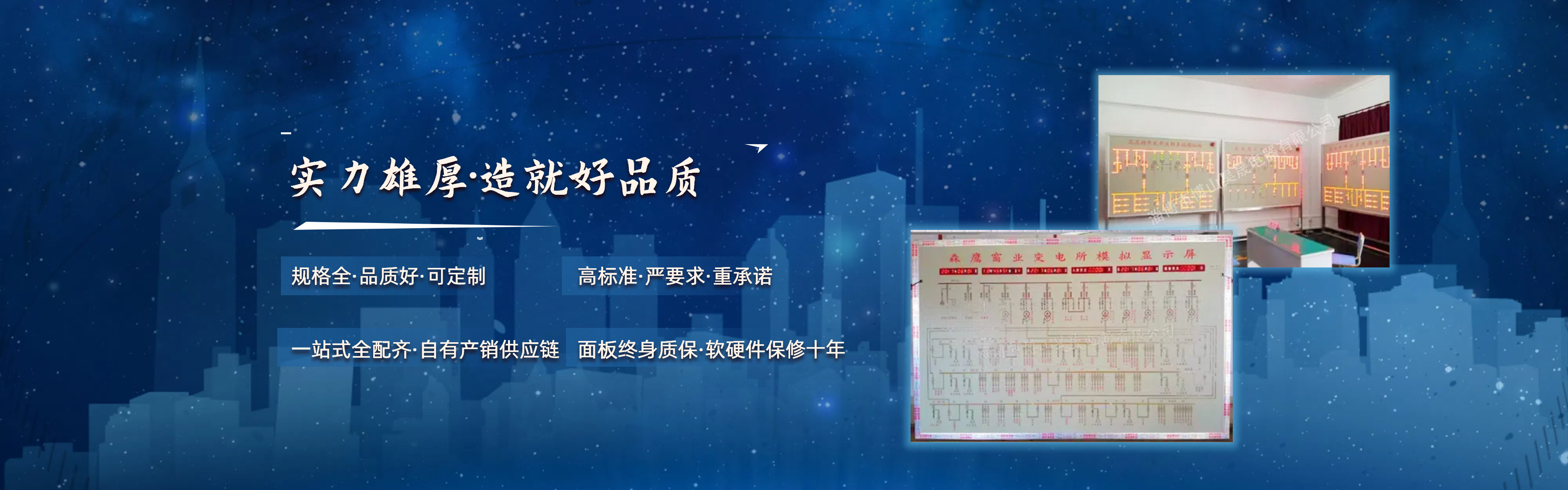

A simulation screen is a display device used to mimic visual effects in various scenarios or environments. When selecting and purchasing a simulation screen, understanding its performance parameters is crucial, as these directly affect the display quality and functionality of the screen. Below, we will explain some common performance parameters of simulation screens.
Resolution: The resolution of a simulated screen refers to the number of pixels displayed horizontally and vertically by the display device. A high-resolution simulated screen means more pixels, resulting in a clearer and more detailed display. Common simulated screen resolutions include 2K, 4K, and 8K. The choice of resolution should be based on specific requirements, such as scene detail and display size.
2. Bit Depth: Bit depth refers to the number of different colors that a display device can show in each pixel. Generally, the higher the bit depth, the better the color representation capability of the analog screen. Common bit depths include 8 bits, 10 bits, and 12 bits, etc. High-bit-depth analog screens can display more color gradients and details, providing a more realistic image effect.
3. Saturation: Saturation refers to the vibrancy and intensity of colors displayed on a simulated screen. Higher saturation means the colors are more vivid and lively. Saturation is limited by the technology of the display and the color palette, and different simulated screens may have varying saturation ranges. High saturation simulated screens can provide more vivid and realistic image effects.
4. Contrast Ratio: The contrast ratio refers to the difference between the bright and dark areas displayed on a simulation screen. A higher contrast ratio results in better image detail and richer color gradations. Typically, contrast ratio is expressed numerically, such as 5000:1, indicating that the brightness of the bright area is 5000 times that of the dark area. High-contrast simulation screens offer superior image quality and higher clarity.
5. Refresh Rate: The refresh rate indicates the number of times the simulated screen updates the image per second, measured in hertz (Hz). A higher refresh rate can reduce image flickering and blurring, enhancing the display effect in dynamic scenes. Common refresh rates include 60Hz, 120Hz, and 240Hz. Simulated screens with high refresh rates are suitable for professional applications such as gaming and animation production, offering smoother and more detailed images.
6. Response Time: Response time refers to the duration from when a simulation screen receives a signal to when it displays the image, typically measured in milliseconds (ms). Lower response times can reduce image ghosting and blurring, making them suitable for displaying fast-moving images. Common response times include 5ms, 1ms, and so on. Simulation screens with low response times are ideal for applications such as e-sports and movies, where display quality and responsiveness are highly demanding.
7. Brightness: Brightness refers to the higher light intensity displayed on an analog screen. Higher brightness offers clearer and brighter images, making it suitable for outdoor or bright-light environments. The unit of brightness is measured in nits, with a common range of 250 nits to 1000 nits. High-brightness analog screens are ideal for events, outdoor advertising, and similar applications.
8. Color Gamut: The color gamut refers to the range of colors that a simulated screen can display. A wider color gamut means the simulated screen can present more colors, resulting in better image quality. Common color gamut standards include sRGB, Adobe RGB, and DCI-P3. High-color-gamut simulated screens are suitable for professional photography and design fields, as they can accurately reproduce the colors of images and videos.
In summary, the performance parameters of simulation screens are crucial for their selection and usage. Understanding these parameters will assist users in choosing the appropriate simulation screen for their needs and achieving superior image display. Additionally, different application scenarios and requirements may have varying demands on these parameters. Users should thoroughly consider their needs and budget before purchasing a simulation screen and opt for one with higher performance within their feasible range.
