

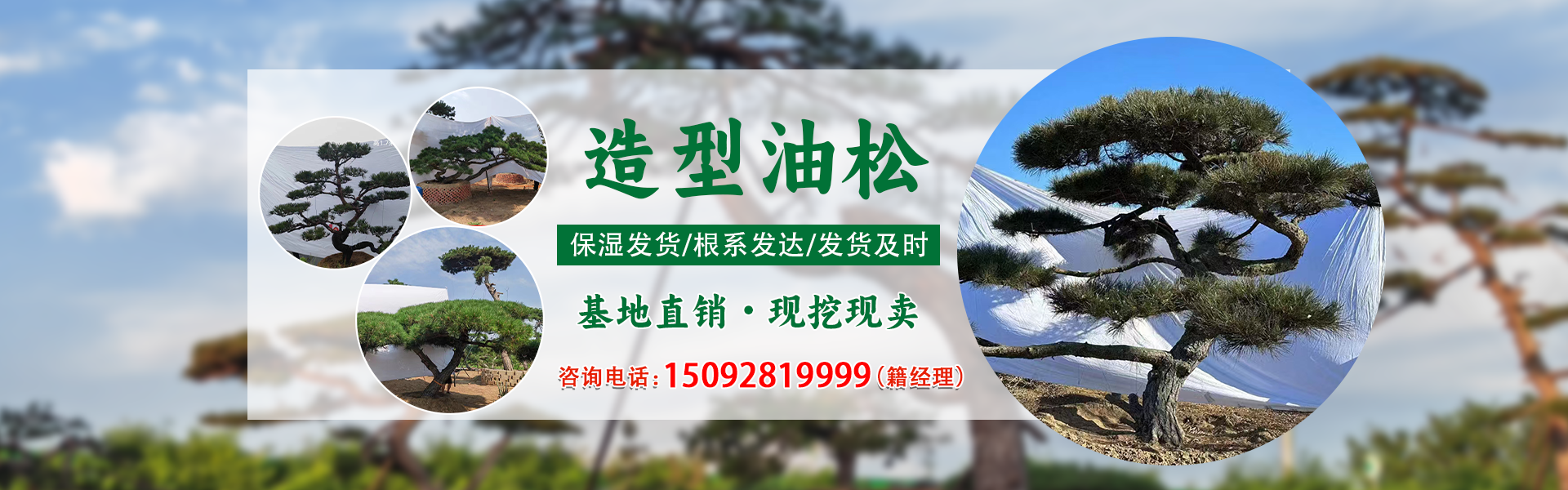
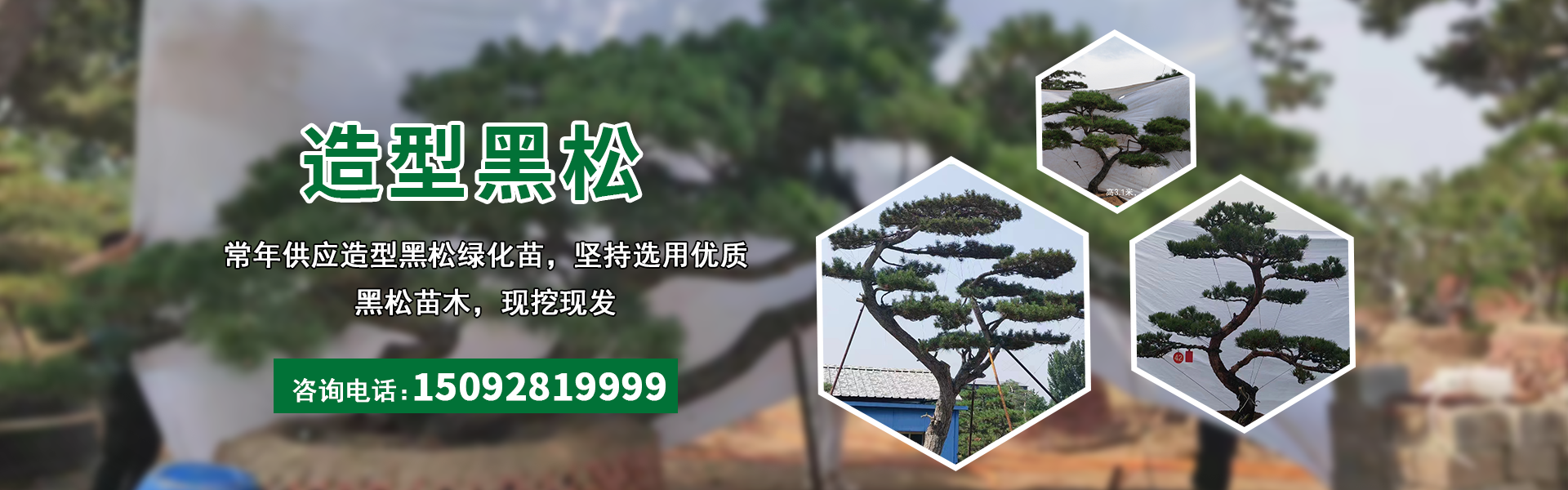





As autumn approaches, winter is not far behind. In this context, what are the key things to know about planting garden-shaped pines?
Shape Loosen is favored by many growers for its cold and drought resistance, but that doesn't mean the planting process is simple. What should we pay attention to during planting? Let's find out together.
In addition to being cold and drought-resistant, the species is also relatively tolerant of wet conditions. Therefore, it has lower soil requirements, with the exception of deep waterlogged areas, which are unsuitable for planting. Other types of land, including slightly barren soil, are suitable. Thus, it is advisable to choose land. However, to ensure robust tree growth, it is recommended to opt for fertile and loose soil.
In terms of propagation, seeds can be harvested in autumn from healthy plants free of pests and diseases. Afterward, they are sand-cured for a month before sowing in spring. Once the seeds are evenly scattered in the seedbed, cover them with a layer of sand and water thoroughly. The seeds should emerge within about a month. During the growth period of the shaped landscape pines, it is crucial for growers to perform weeding to prevent weeds from competing for excessive nutrients. In summer, it's also important to increase the watering frequency, watering once in the morning and once in the evening, as high temperatures can cause rapid evaporation. Prolonged water scarcity in trees can lead to withered and dropped leaves, significantly affecting their appearance.
The application of loose-fitting fertilization is also quite important. To promote the tall and lush growth of trees, it is recommended to apply more phosphorus fertilizer, once a month.
Due to the large water requirement for the loose shape, especially during the hot summer weather, it is necessary to water the trees frequently to promote their growth. Failure to do so can lead to severe water stress, causing the branches and leaves to turn yellow and drop off. It is recommended to water the trees twice a day, once in the morning and once in the evening. After autumn, reduce the frequency and amount of watering, and suggest a "wet and dry" method to keep the soil moderately moist. After winter, a freezing water application can be made to lower the soil surface temperature.
