

Overview
Ensuring the stability of electric roller involves various aspects, including proper assembly, selecting suitable accessories, power management, structural design, and maintenance.
Proper Assembly
Proper assembly is the foundation for ensuring the stability of the electric roller. The roller must be installed horizontally and be perpendicular to the conveyor frame. All accessories must be installed in accordance with the specified methods to prevent end movement or deformation of the shaft.
Selecting the Right Accessories
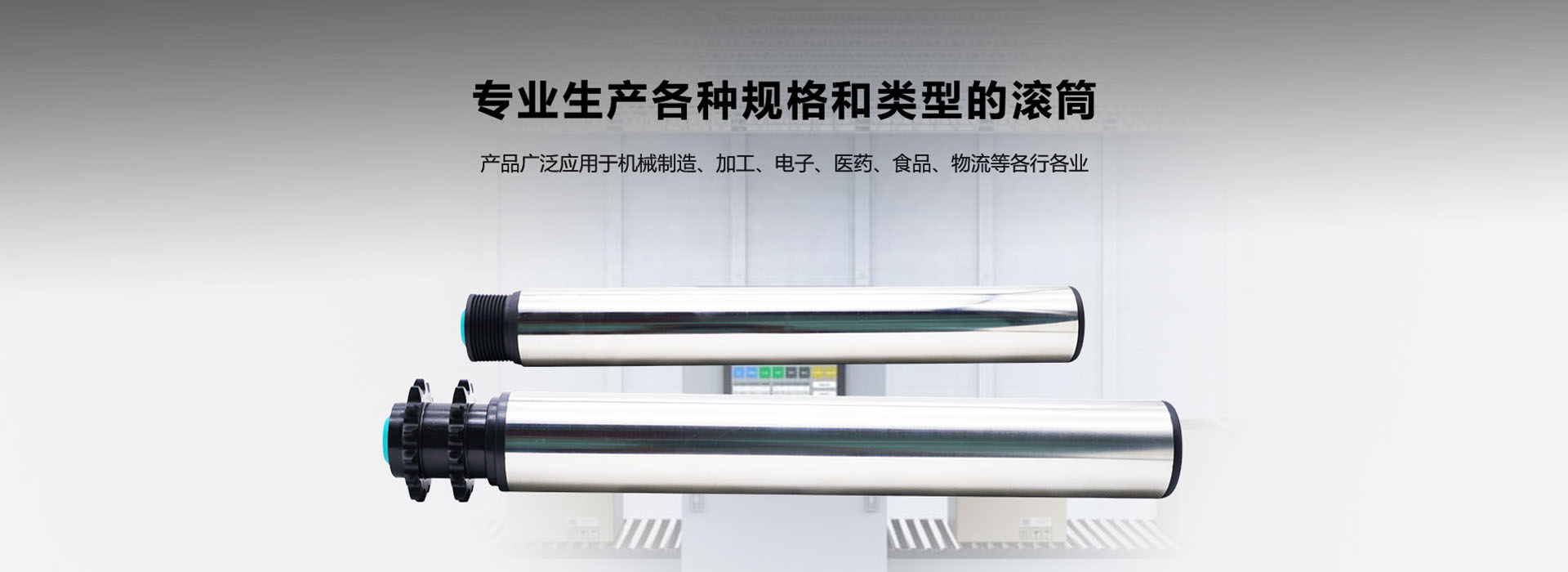
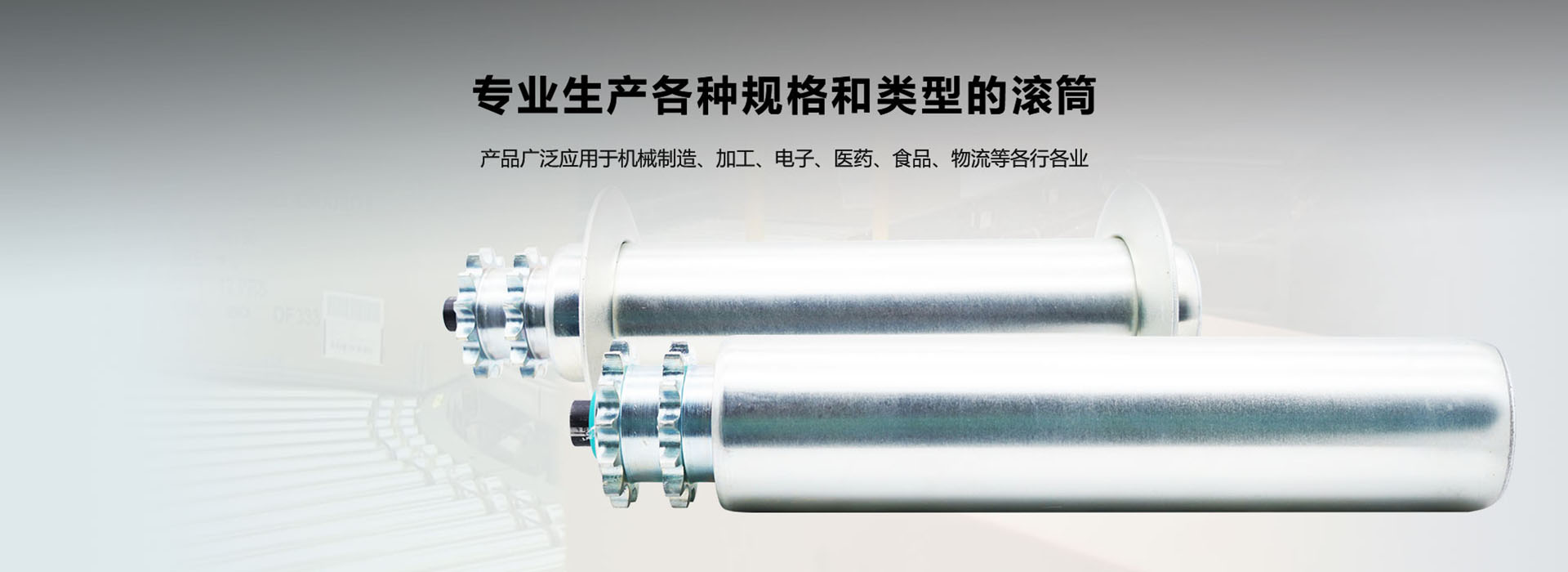
Selecting the appropriate motor, reducer, drum body, bearings, and seals is crucial for the stability of the drum. The drum body is typically made of stainless steel or other corrosion-resistant materials to accommodate various working environments.
Power Management
Power is the foundation for the operation of electric roller drums. It is essential to ensure the stability of voltage and current in the power lines, and to check if the connections are secure and for any signs of short-circuit or open-circuit. Voltage stability is ensured by adjusting the magnetic field of the excitation circuit or by using magnetic pole shims, among other methods.
Structural Design
The structural design of the electric drum roller significantly impacts its stability. The drum body typically houses bearings to support the drum's rotation and propel the conveyor belt through friction between the drum surface and the belt. Regular inspections and maintenance are required for the drum's components such as end caps and bearings.
Maintenance and Upkeep
Regular maintenance and care are essential for electric roller operation and safety. This includes cleaning and lubricating the moving parts of the roller and bearings, inspecting for wear and tear on the roller and bearings, and replacing them as needed.
