
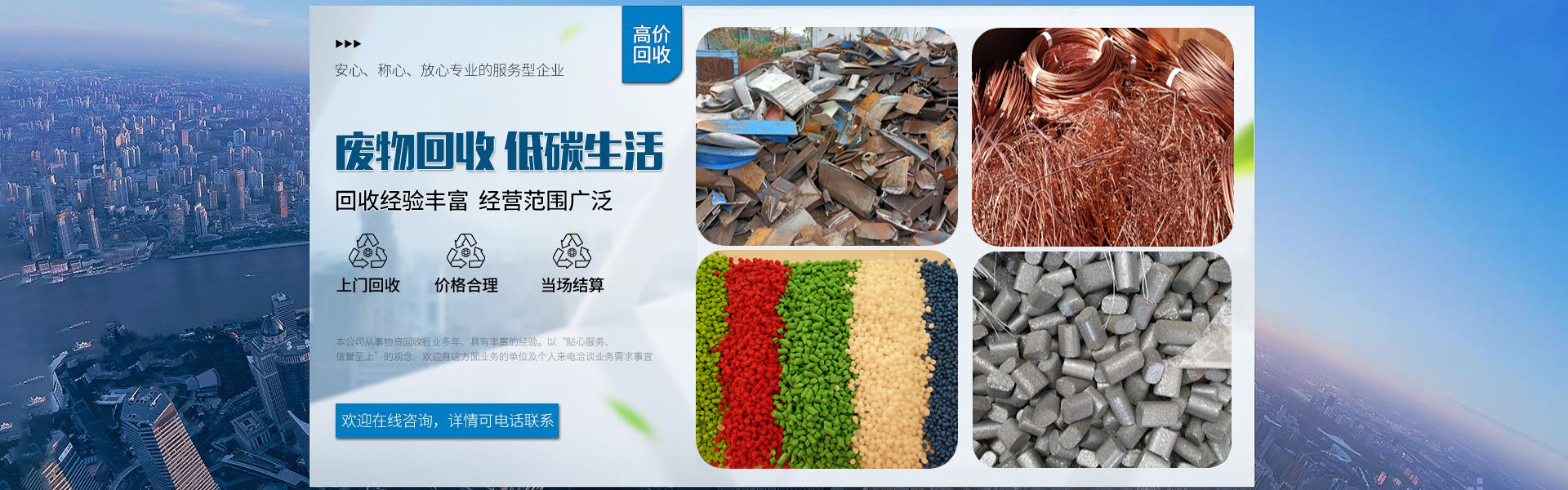

Most scrap copper can be recycled and reused, with a relatively simple production process. Here, the Chongqing Scrap Copper Recycling editor will explain the recycling process. First, it is necessary to differentiate the scrap copper, separating uncontaminated copper metals that can be melted and reused directly. For contaminated copper metals, a refining process to remove impurities is required. The purpose of this is to ensure that the recycling and regeneration of scrap copper does not alter the chemical properties of the copper, allowing it to be used just as before after regeneration.
Scrap Copper Recycling
The purification of scrap copper involves two steps. The first is drying, which aims to remove oil污 such as lubricants from the surface of the copper. The second step is smelting, which eliminates stubborn impurities from the copper metal. Generally, based on the quality requirements for recycling and production, there are fire smelting and electrolytic smelting methods. If we are producing粗铜 and copper alloys, fire smelting is commonly used. However, electrolytic smelting is employed for the production of electrolytic copper.
The commonly used incineration equipment for waste copper is called a rotary furnace, which consists of a horizontal cylinder with conical ends at both ends. It is equipped with flame nozzles fueled by gas or oil, and another part is used to hold the waste materials to be melted. The furnace is rotatable, allowing for more even heating. It typically accommodates 60 to 5800 kg of cargo. The furnace's features include rapid melting efficiency, low loss, and the resulting copper metal has minimal gas content. The internal temperature is also very uniform. However, the drawbacks include a small capacity, shallow molten pool, slow addition of new melting materials, and potential air pollution. Currently, such furnaces are mostly used as pre-melting furnaces in the waste copper recycling process, and only after being refined do they enter the refining furnace to produce pure copper metal.
