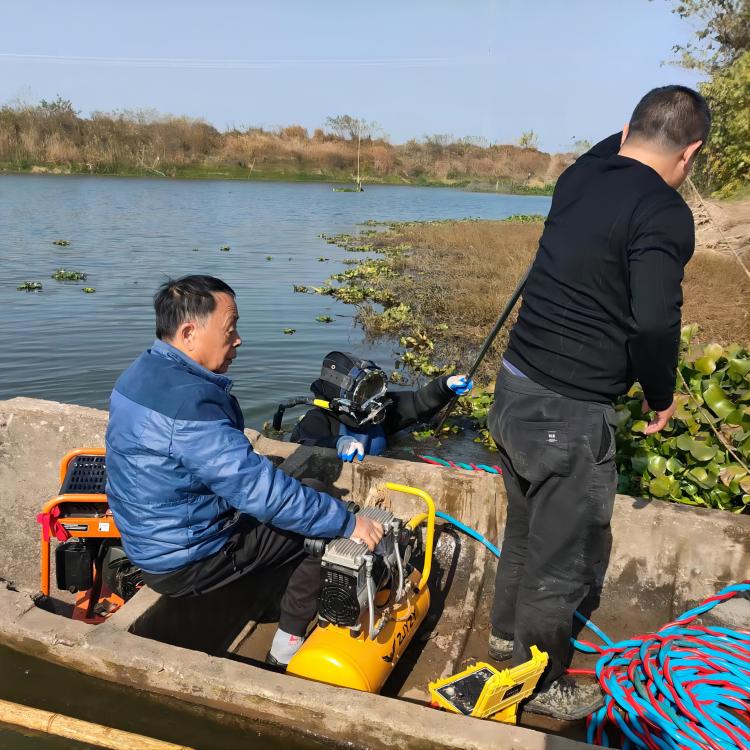

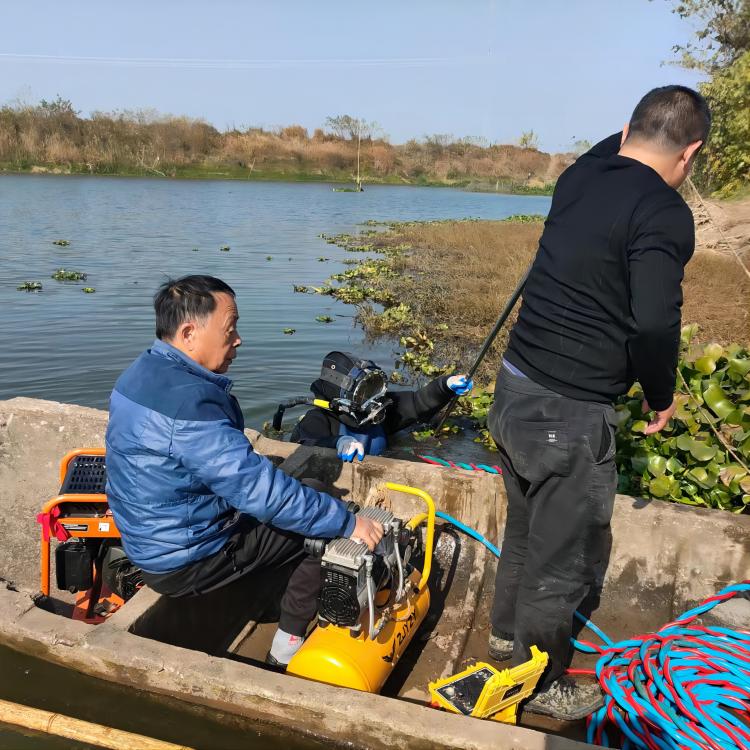
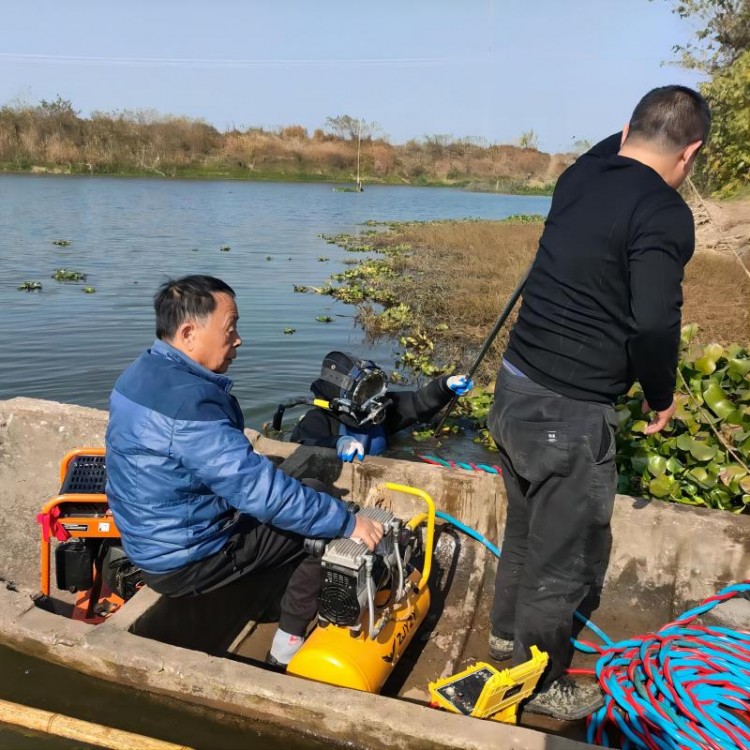
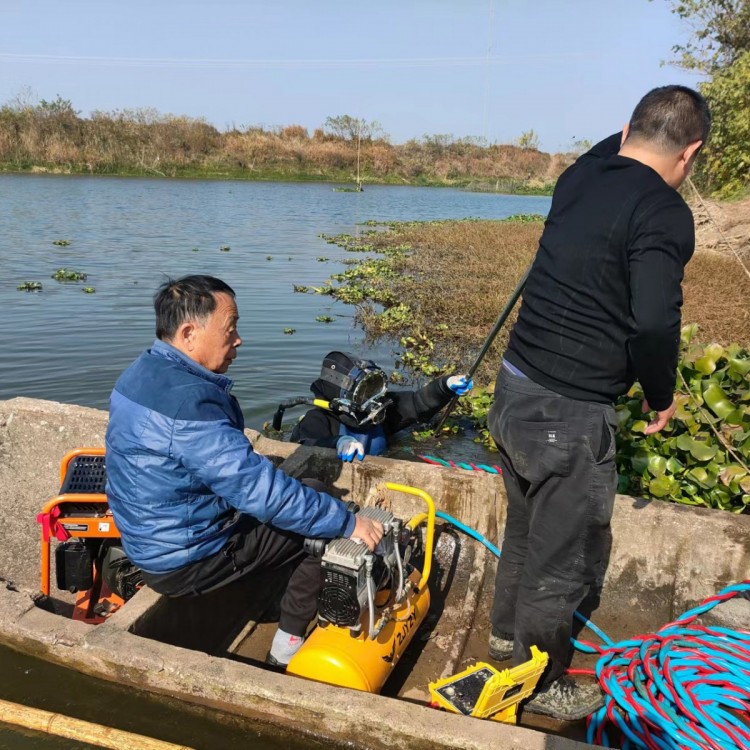
Water rescue refers to the act of rescuing those in danger in bodies of water such as oceans, rivers, and lakes. With the increasing demand for water-based activities, water rescue...
Relief aid is becoming increasingly important. However, when conducting water rescue operations, safety concerns must also be given adequate attention.
Firstly, water rescue requires specialized personnel. They must undergo rigorous training, be proficient in water rescue techniques and operations, and possess rapid response capabilities.
Ability to handle emergencies. Moreover, during water rescue operations, rescuers must wear appropriate rescue equipment, such as life jackets and rings, to ensure
Self-safety.
Next, water rescue requires scientific methods. When someone is in danger in the water, call the emergency number immediately and quickly organize a rescue team to the scene.
On-site. Different rescue methods should be adopted during rescue operations, such as swimming rescue, throwing rescue equipment, surface towing, and vessel rescue. Depending on different situations,
Choose the appropriate rescue method and quickly extract the victim from the water.
At the same time, water rescue requires emphasis on safety education. When engaging in water activities, it is essential to adhere to relevant safety regulations and be aware of your swimming abilities; do not
Exceeding one's capabilities. Meanwhile, attention should be paid to water safety, such as wearing life jackets, not swimming in deep water areas, and not entering the water without authorization. By strengthening safety education...
Education can reduce the occurrence of water rescue incidents and safeguard people's lives.
In summary, water rescue is a critical endeavor. Only by enhancing the importance placed on water rescue and improving the professional skills of rescuers, can we scientifically employ rescue methods.
France emphasizes safety education to better ensure safety during water activities.