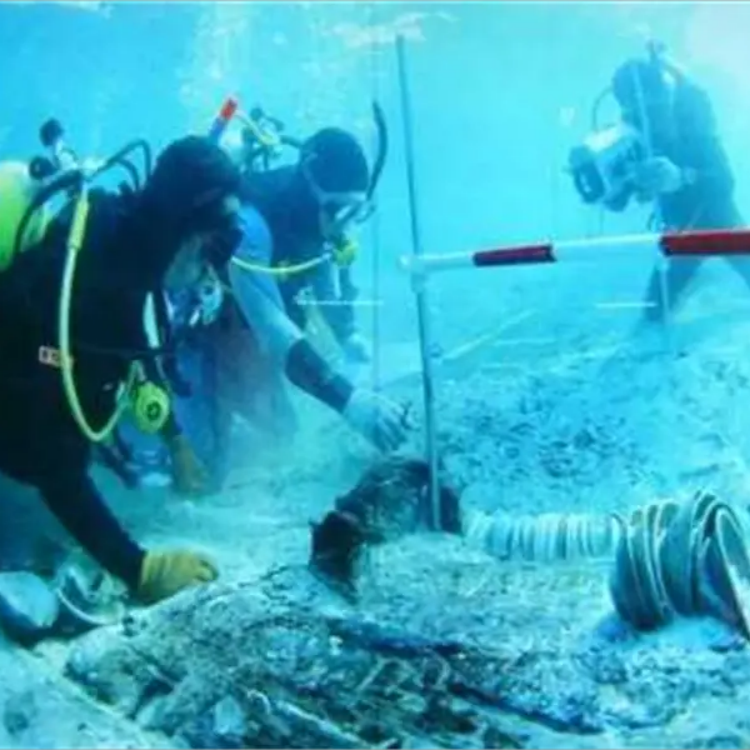


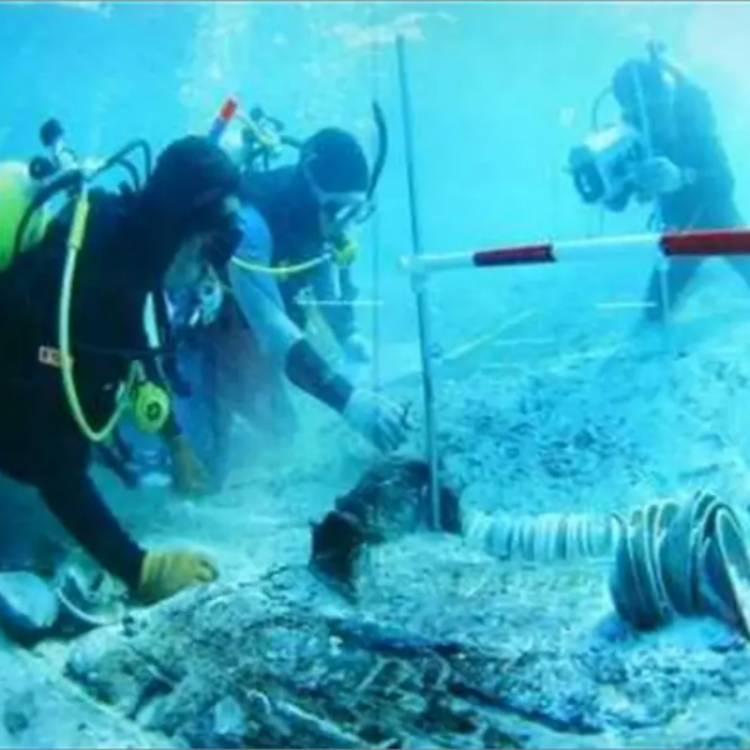
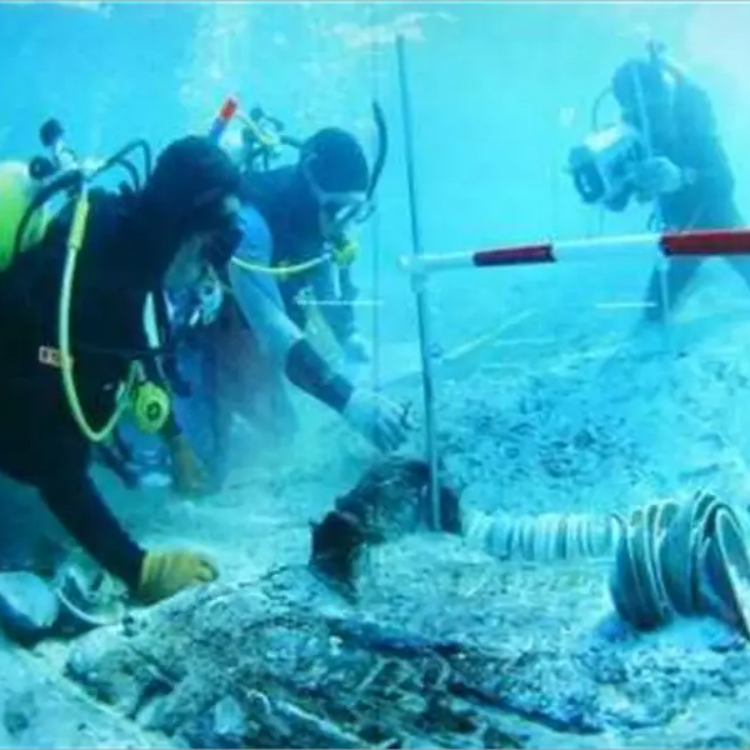
Underwater cutting technology is a crucial technique for metal cutting and repair in underwater environments. With the continuous advancement of science and technology, underwater cutting technology has made significant progress. Traditional underwater cutting mainly relies on manual operation and conventional cutting equipment, which poses many issues.
Traditional cutting equipment operates inefficiently in underwater environments and struggles to handle complex cutting tasks. The limitations of the underwater environment pose significant risks for manual operation, with operators facing extreme conditions like high pressure and low temperatures, which can lead to injuries. Traditional cutting methods also carry safety hazards, such as the risk of electric sparks causing underwater fires. To overcome the limitations of traditional underwater cutting methods, static cutting technology has emerged. This technology utilizes underwater robots for cutting, employing high-pressure water jets or laser beams to cut through metal. Compared to traditional methods, static cutting offers the following advantages. Static cutting technology is highly efficient. Underwater robots can autonomously operate according to the task requirements, unrestricted by the underwater environment, enabling them to complete cutting tasks at a faster pace.