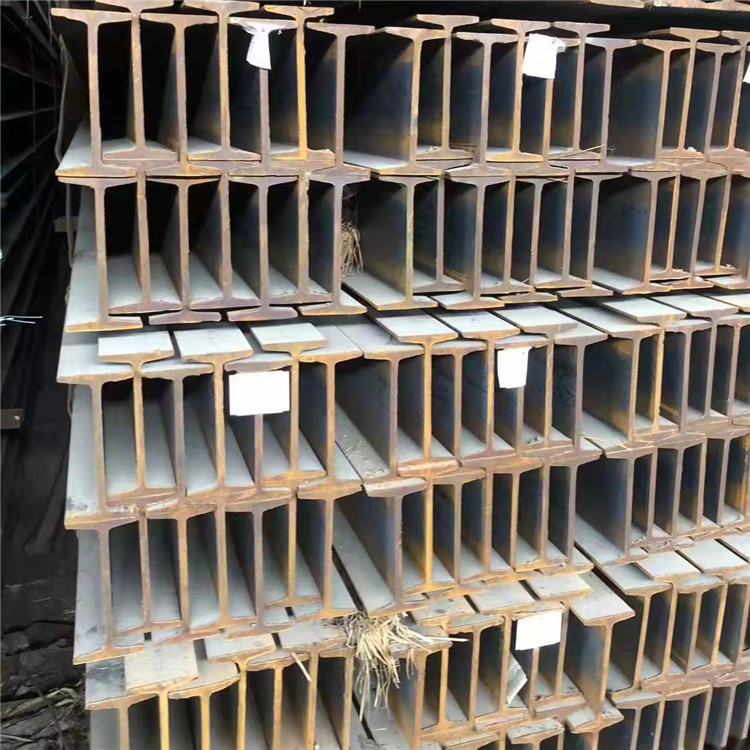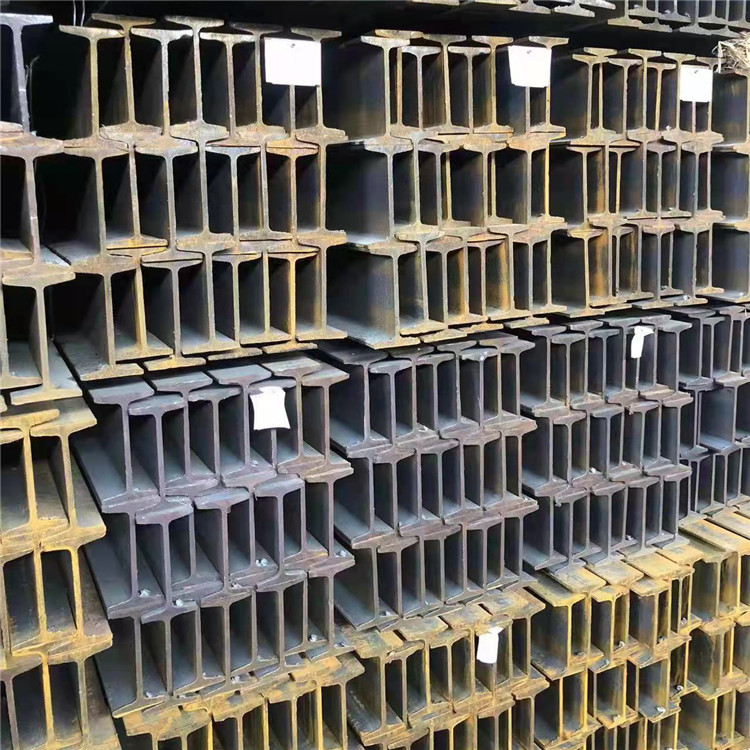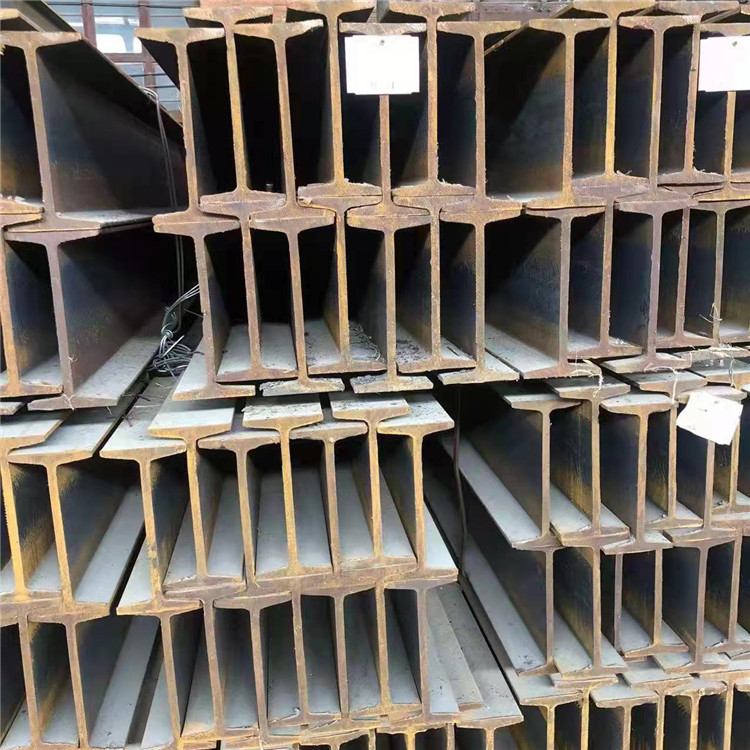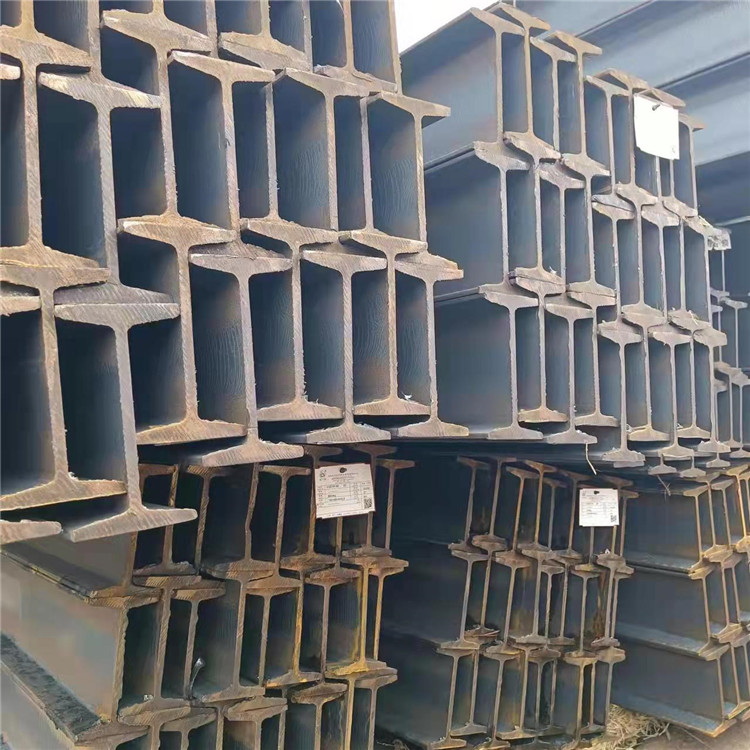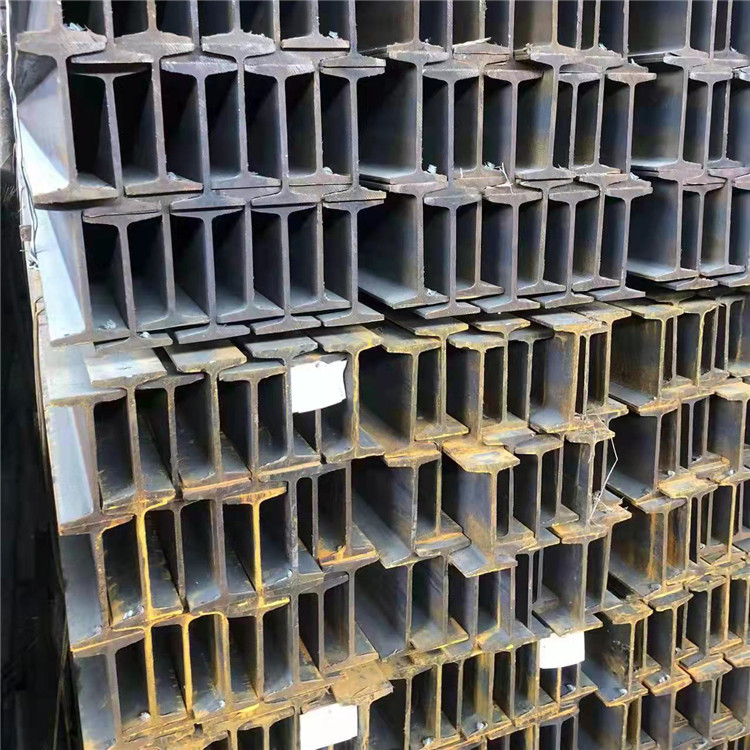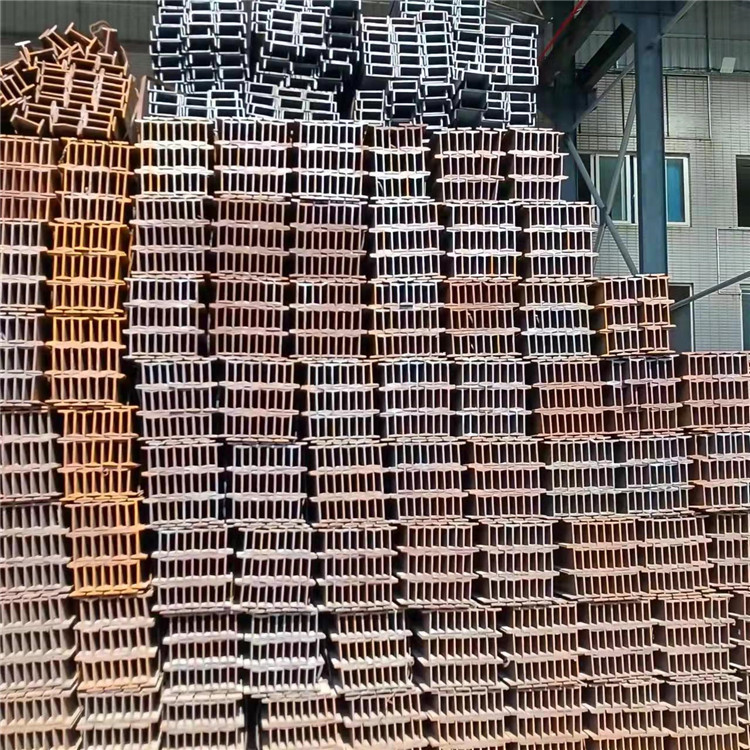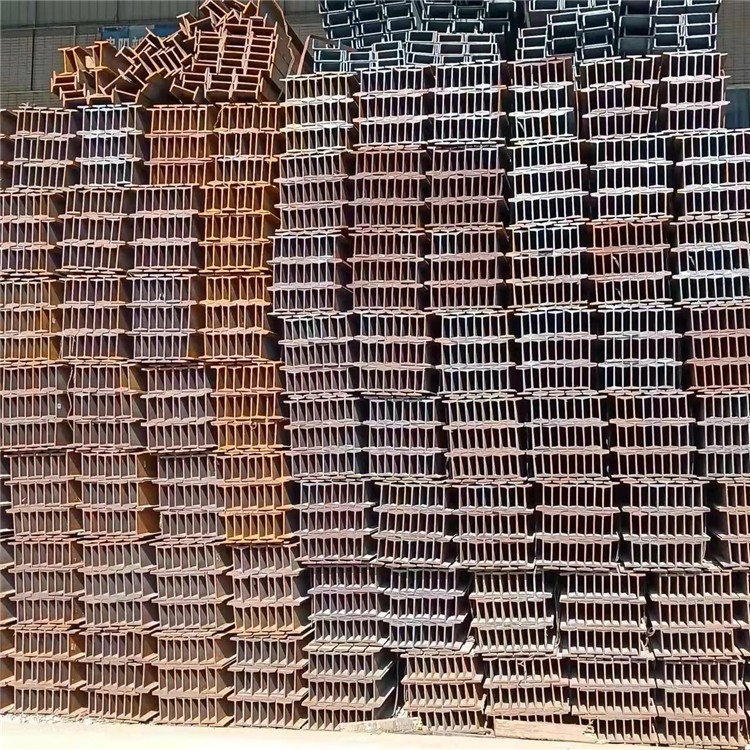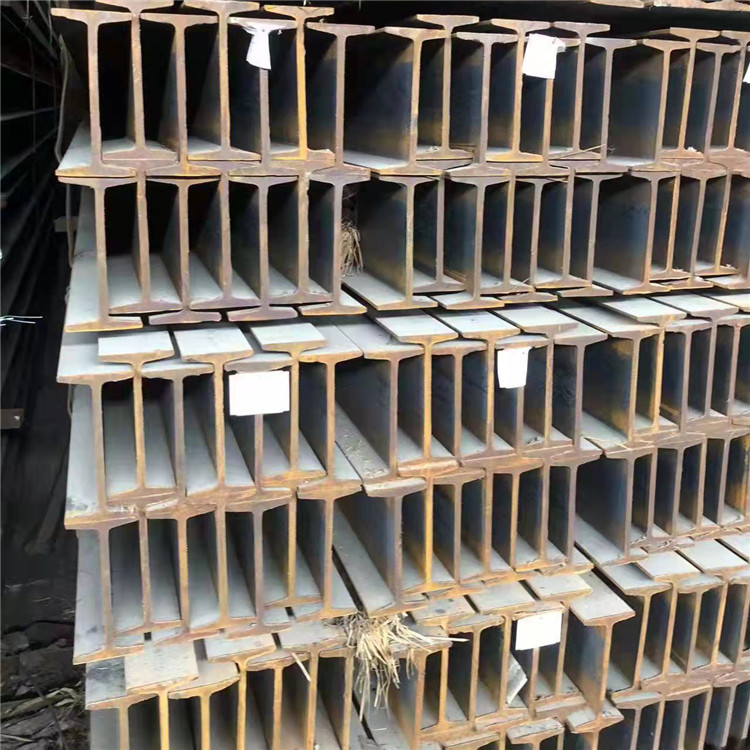
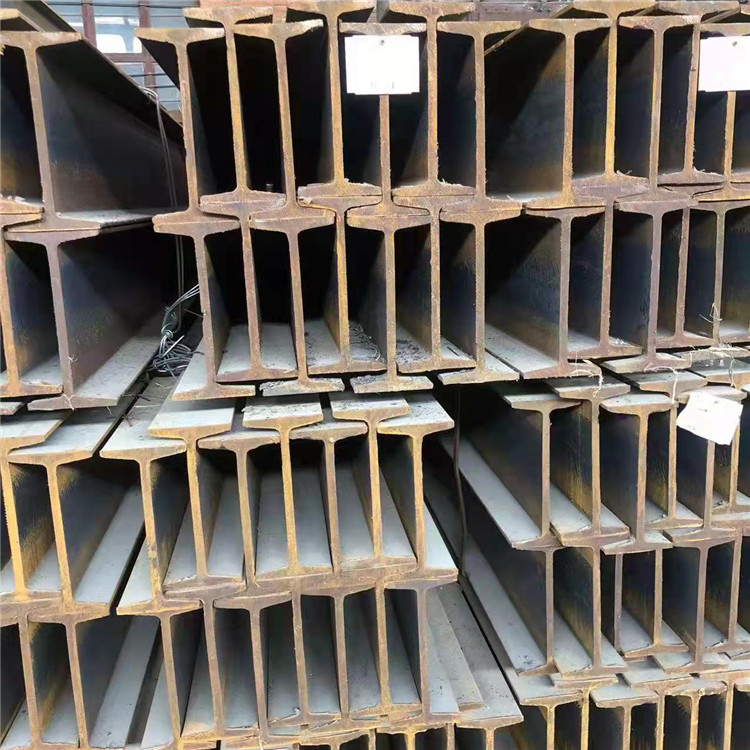
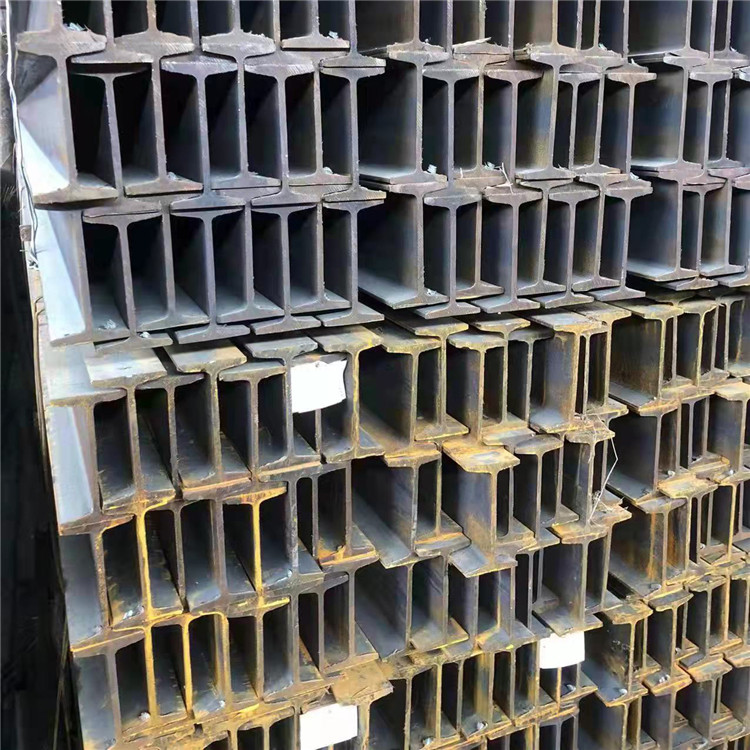
I-beams, whether standard or light-weight, due to their relatively high and narrow cross-sectional dimensions, have significantly different moments of inertia for their two principal axes. Consequently, they are only suitable for components that bend within the plane of their web or are used to form trussed structural elements. They are not appropriate for axially compressed members or components that have bending perpendicular to the web plane, which greatly limits their application range. I-beams are widely used in construction and other metal structures.
Standard I-beams, light I-beams, due to their relatively high and narrow cross-sectional dimensions, exhibit significantly different moments of inertia along the two principal axes, which greatly limits their application range. The selection of I-beams should be based on the requirements of the design drawings.
When selecting I-beams for structural design, consider their mechanical properties, chemical properties, weldability, and structural dimensions to choose a suitable I-beam for use.