


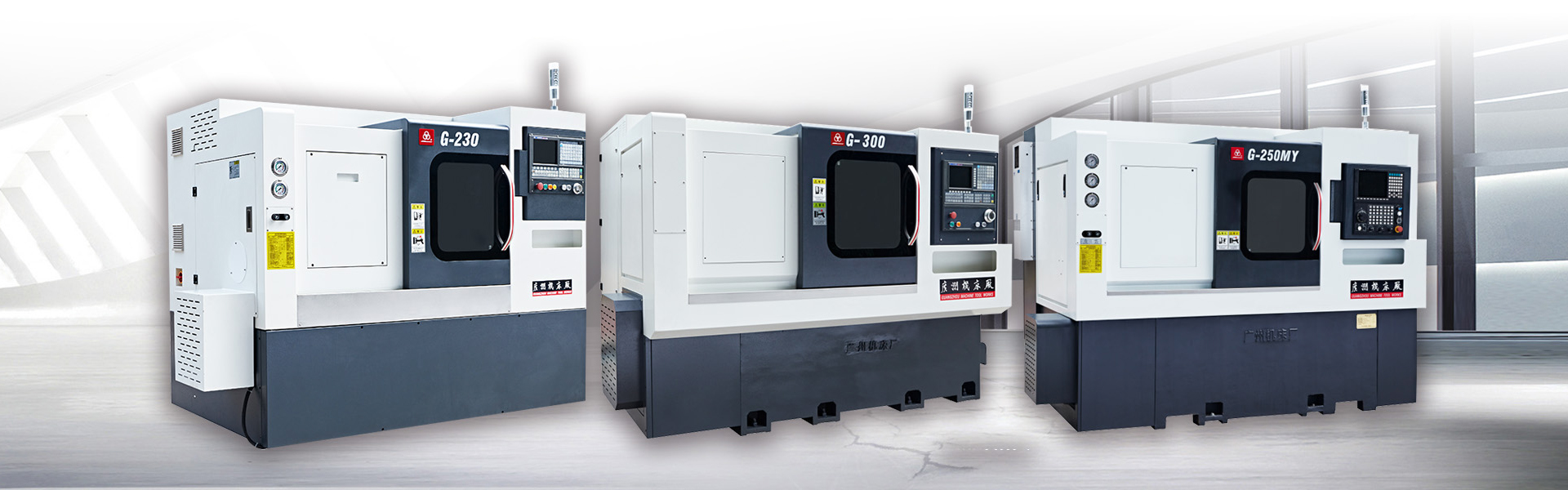


All CNC machine tools require tuning before use to ensure they operate in a normal state, meeting environmental temperature and humidity requirements. When CNC machine tools are in operation, a constant temperature environment is typically required to maintain accuracy. Only in a temperature-controlled environment can the precision of the machine tools be guaranteed. Therefore, during the summer months, many malfunctions often occur due to high temperatures. Tuning the machines to ensure they are in a good environment is crucial, generally requiring a constant temperature of around 20 degrees Celsius. Hence, the specifications for tuning are of utmost importance.
During program debugging, it is essential to set the G00 speed selector to the F0 position, allowing the tool to approach the workpiece at a slower speed. Otherwise, if the tool is misaligned, it may collide with the workpiece violently when it rapidly moves to the cutting point in G00 mode, leaving the operator with no time to react and correct the situation. Conversely, if the tool approaches the workpiece at a slower speed, the operator has ample time to adjust even if there is a misalignment.
During program debugging, it is essential to keep the CNC lathe in single-step execution mode. After the CNC lathe completes the previous program segment, the operator must recheck the correctness and rationality of the next segment and make corresponding adjustments.
During the operation of the CNC lathe, the operator must constantly monitor the changes in the tool coordinates on the screen and check whether the movement end coordinates in the program match the actual movement coordinates of the tool.
During the program debugging process, operators should place one finger on the loop start button and the other on the side of the loop hold button, so that they can immediately stop the program execution in case of an emergency. Always remember the location of the emergency button for potential needs. When starting the machine tool, it is usually necessary to stop the machine tool reference point setting. The machine tool workpiece coordinate system should remain consistent with the programmed coordinate system; otherwise, there is a high possibility of tool-workpiece collision. Additionally, the setting of tool length compensation must be accurate; otherwise, either there will be no material removal or a collision may occur.
The debugging phase of the program utilizes computer simulation functions. With the advancement of computer technology and the continuous expansion of CNC machining education, there are an increasing number of CNC machining simulation systems, with their functions becoming increasingly sophisticated. Therefore, they can be used for preliminary program inspection, observing tool movement to determine the potential for collisions. The graphic simulation function of the CNC lathe is employed. Generally, more advanced CNC lathes are equipped with graphic simulation functions, allowing for graphic simulation of the entire machining process before automatic processing to prevent program errors, tool collisions with workpieces or chucks, and to verify the correctness of the tool path.


