


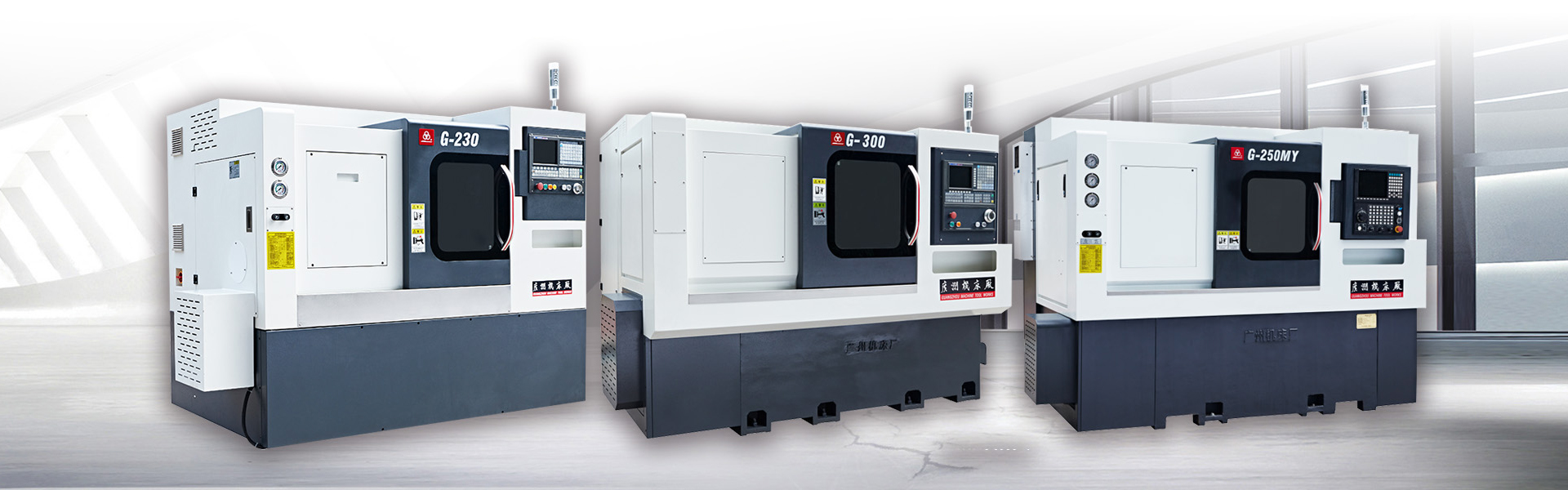


How does the precision of CNC lathe processing perform? The headstock of the CNC lathe is hand scraped and polished for all interfaces with the bed, tailstock, and slide plate, etc. The entire machine is inspected using a laser interferometer, effectively ensuring the positioning accuracy of the Z-axis and X-axis, repeated positioning accuracy, reverse clearance, and the stability of the lathe.
The lathe is made of high-strength cast iron, enhanced with special materials like copper and chromium. The bed guide rail width is 400mm, with the quenching depth of the bed guide rail reaching 4mm, effectively improving the wear resistance and stability of the lathe.
Compared to conventional lathe machines, CNC lathe machines from our manufacturing company feature the following: 1. High machining accuracy and stable quality. 2. Capable of multi-axis linkage, suitable for complex-shaped parts. 3. When the parts to be machined change, only modify the CNC program to save production time. 4. The lathe itself boasts high precision and rigidity, allowing for high-volume and high-efficiency machining. 5. High level of automation, reducing labor intensity.
Numerical control lathe circuits should not be arbitrarily cut. Some maintenance personnel have certain experience in household appliance repair and are accustomed to checking for broken wires, but the circuit boards on numerical control equipment are mostly double-sided metal hole boards or multi-layer plated boards. The printed circuits are fine and dense, making them difficult to solder once cut. Moreover, when cutting, it is easy to cut adjacent wires. Additionally, in some cases, cutting a single wire does not detach it from the circuit; multiple wires need to be cut simultaneously.
Numerical Control Lathes: CNC lathes offer high machining precision, typically reaching 0.05 to 0.1mm. They are controlled via digital signals, with each pulse output from the numerical control unit causing the lathe's moving parts to move one pulse increment (usually 0.001mm). Moreover, the reverse clearance in the lathe's feeding transmission chain and the average error of the lead screw pitch can be compensated by the numerical control unit, thus ensuring a high positioning precision for CNC lathes.


