

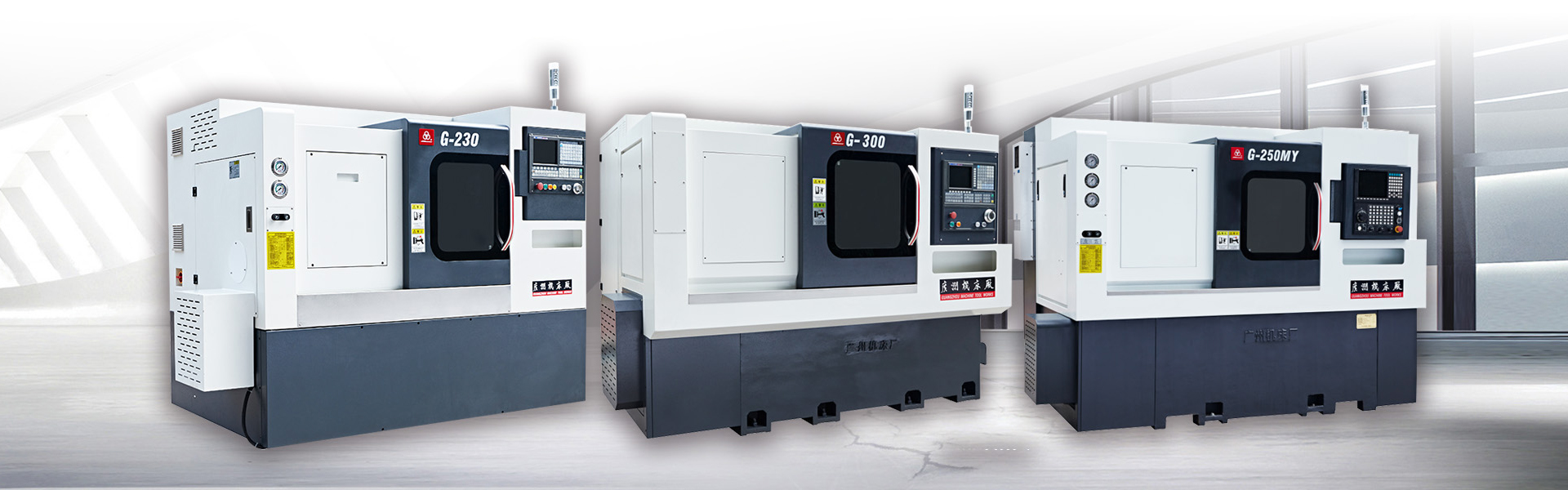


What is a CNC lathe? A CNC lathe is a machine that combines automated machinery with computers, characterized by its high efficiency in producing accessory products. Compared to traditional lathes, which are bulky and lack the ability for repeated operations.
Modern CNC products excel in performance capabilities. The more precise the product, the higher the likelihood of failure. Compared to traditional lathe products, CNC products have approximately a 40% higher probability of issues. Initially, we must inspect the lathe's appearance and, after gathering hands-on information, conduct a detailed analysis to identify and resolve the problems.
After a CNC lathe malfunctions, it must be immediately inspected to identify the root cause before repairs can be made. Generally, there are numerous methods to detect issues with lathes, such as the analytical method based on principles. However, when these approaches have been exhausted and still fail to resolve the problem, another method is needed: the component exchange method. This detection technique is usually employed as a last resort. The effectiveness of using the component exchange method for troubleshooting is remarkable, capable of resolving the issue. Nonetheless, this process can be time-consuming.
To ensure a swift resolution to issues during the next maintenance, it is crucial to annotate the maintenance logs. After all, unlike individuals, businesses have multiple maintenance workers on rotating shifts. If one worker discovers a fault and is on break when the next shift encounters the same issue, the new worker must start from scratch, including component replacement, and explore various methods to identify the root cause, which inevitably wastes more time.
To excel in the inspection of products from CNC lathe manufacturers, it's not only crucial to understand the operational principles of the equipment in daily use, but also to be well-versed in its operating methods. Moreover, paying attention to new technologies is essential, as the development of CNC technology is ever-evolving. Many components can be replaced with entirely new technological parts during maintenance, leading to improved performance. Those aiming to showcase exceptional skills in CNC repair must continue learning and summarize and categorize the issues they encounter.


