
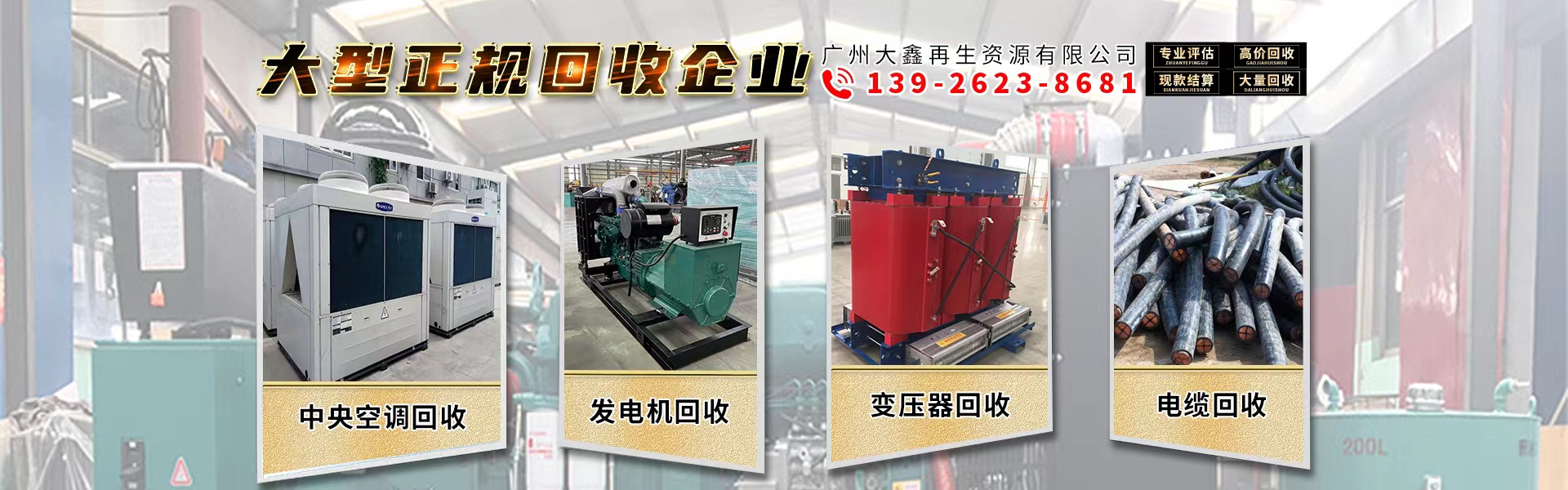

Commercial Central Air Conditioning: Carrier, Daikin, York, air-cooled, water-cooled, screw, piston-type water and heat pump units, including central air conditioning main units (water-cooled separate), screw-type, piston-type water and absorption-type water and heat pump units; air-cooled screw, scroll, piston-type water and heat pump units, air handling equipment (packaged air conditioning units, variable air volume air handling units, suspended ceiling air handlers, fan coils), and commercial and residential central air conditioning (water-cooled split units, recessed ceiling units, high and low pressure drop pipeline units); Hitachi screw-type units, etc. Small Air Conditioners: cabinet units, wall-mounted units, window-type units, etc., such as Chongshan, Midea, Changhong, Aucma, Sharp, Haier, Hitachi, etc. Brands include Carrier, Shuangliang, York, Mitsubishi, Yuan Da, Daikin, McQuay, Trane, etc., with central air conditioning units ranging from 100,000 to 3 million BTUs. Shanghai Second-hand Central Air Conditioning Recycling: water-cooled units, lithium bromide refrigeration machines, screw-type units, centrifugal machines, piston machines, air-cooled heat pump units, water-cooled split units, ground-source heat pump units; large cold storage, refrigeration equipment, etc. Centrifugal units, air conditioning adjustments.
China's higher GDP in recent years has boosted demand across various sectors, while also spurring the growth of related manufacturing industries. Notably, the state has supported the real estate sector as a pillar of economic growth, allowing the large central air conditioning industry, including Daikin, to ride the wave. However, in the large central air conditioning market in China, due to the early entry of foreign brands, the dominant players are still American brands such as York, Carrier, Trane, and McQuay, as well as Japanese brands like Shanghai Daikin, Hitachi, Mitsubishi, and Toshiba, which account for over 80% of the market share. Faced with the challenges from numerous international giants, Chinese central air conditioning brands must raise their brand flag high, excel in brand management, and only then can they win a share of the market.
Good brands like Shanghai Da King Air Conditioning are committed to spreading similar brand information across various conflict zones. Homeowners' perception of the Shanghai Da King brand stems from the effectiveness of the brand's communication strategy. In my opinion, interpersonal strategies are a crucial aspect, particularly for Guangzhou Daxin Recycling Resources Co., Ltd.
Based on the unique identities of having a smaller customer base, larger purchase amounts, and the need for extensive information and training during the procurement and operation process, the main marketing model for central air conditioning companies is to establish a sales team that directly engages with customers. It is essential to fully leverage the company's excellent sales, service, and technical teams as sophisticated communication vehicles.
Firstly, sales personnel communication must be completed. Daikin Air Conditioning has a strong "consumption guidance" influence in its marketing journey, a choice dictated by the technicality and narrow application of central air conditioning products. By designing humanized and dynamic sales tools, we assist sales personnel in ground-level promotion, creating a refined negotiation environment akin to the air, helping clients lower the cognitive barriers to technologically advanced products, and advancing unified recognition of the product within the client's organization. While selling the product, the goal is to also spread the brand. Central air conditioning companies should treat every sale, of every unit, as a project. Each person genuinely committed to selling this product is the project manager of this sales project. They represent the company and are the flag of corporate brand promotion. As salespeople, they should stand in the customer's shoes, think like the customer, and act with the customer's urgency. While completing their sales mission, they should also bring benefits to the client and establish a positive image of the company.
