







- AllProduct Category
-
Customized Non-standard Automatic Detection System
Non-Destructive Testing Equipment
Sheet/Material Automatic flaw detection
Pipe Inspection Equipment
Bar Inspection Equipment



详情描述
Product Details:
Detection Frequency: adjustable from 1 kHz to 990 kHz, in 1 kHz increments
Match: Normal and Matched modes
Gain: 0-69 dB, adjustable in 1 dB steps
Phase: 0~360°, adjustable in 5° increments
Filtering: 11 adjustable stages, suitable for different flaw detection speeds
Display Methods: Vector Spot Display and Linear Time Base Display
Alarm Methods: Amplitude Alarm Method and Sector Alarm Method
Alarm threshold: Adjusted in 10% increments
Scan Time: Scan time displayed on the linear time base can be adjusted in 6 levels.
End cuts: Head and tail signal cut-off delay 0-3 seconds, adjustable in 10 ms increments.
Time Delay for Labeling: 0-10 seconds, adjustable in 10 ms increments
Product Introduction:
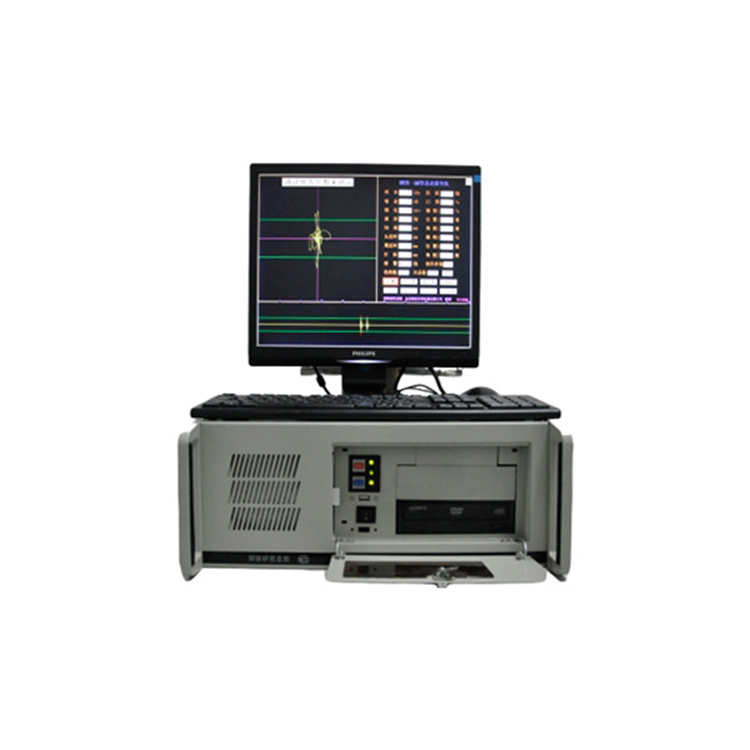
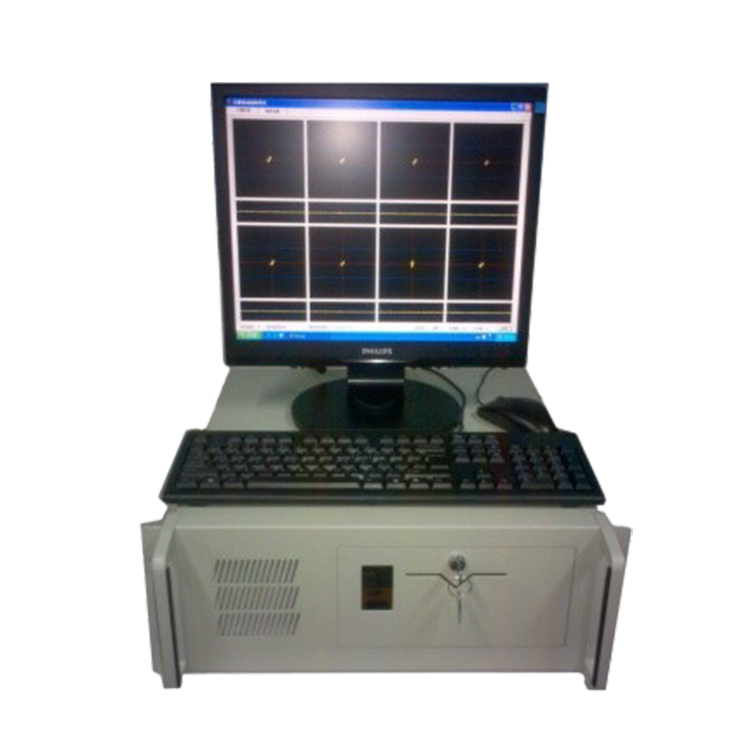
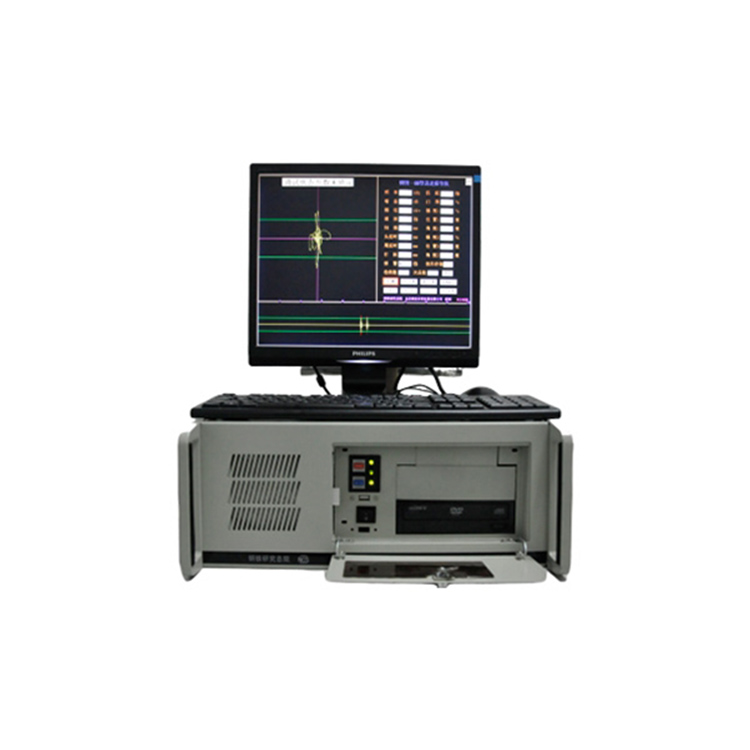
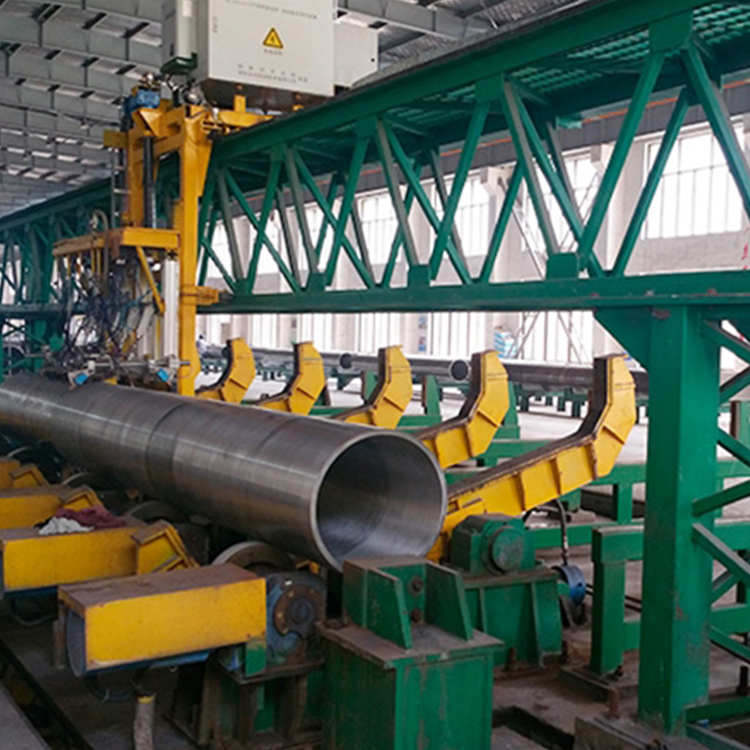
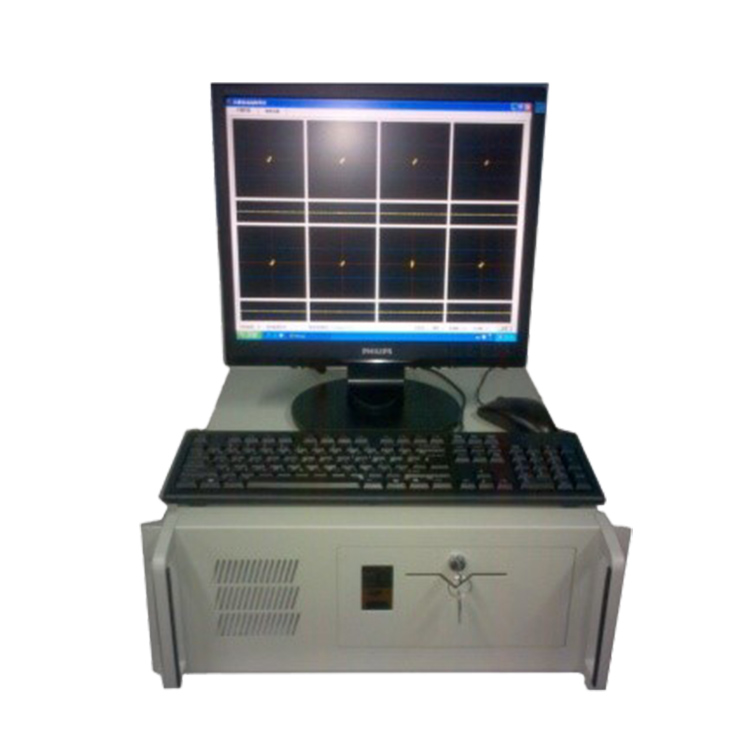
The Gangyan-8 series multi-functional eddy current flaw detector is a general-purpose eddy current testing instrument controlled by an industrial computer, suitable for various through-type probes, spot probes, and sector probes. It can be used for manual, semi-automatic, and fully automatic flaw detection of seamless steel pipes, welded pipes, steel bars, steel wires, steel plates, and other irregular shapes. The instrument features automatic storage of actual waveforms and report printing capabilities.
Instrument Model:
Steel Research-8A (Standard Model) Steel Research-8B (Storage Model) Steel Research-8C (Multi-Channel Model) Steel Research-8D (High-Speed Model)
Product Features:
1. The computer monitor displays all detection parameters on the screen, making them easily visible at a glance.
2. Setting the test parameters is done entirely with the mouse, making the operation simple and easy to learn.
3. Features both "Vector Spot" and "Linear Timebase" display modes, as well as "Amplitude" and "Sector" alarm methods.
4. Wide frequency range with fine gradation, capable of meeting the detection requirements for various metal materials and their products.
5. The instrument can automatically monitor probe malfunctions and quality.
6. The instrument can store flaw detection results and print the base waveforms and flaw detection reports during testing.
7. Strong adaptability to various eddy current probes; no need for zero potential balancing adjustment for the probes.


