








- AllProduct Category
-
Customized Non-standard Automatic Detection System
Non-Destructive Testing Equipment
Sheet/Material Automatic flaw detection
Pipe Inspection Equipment
Bar Inspection Equipment



详情描述
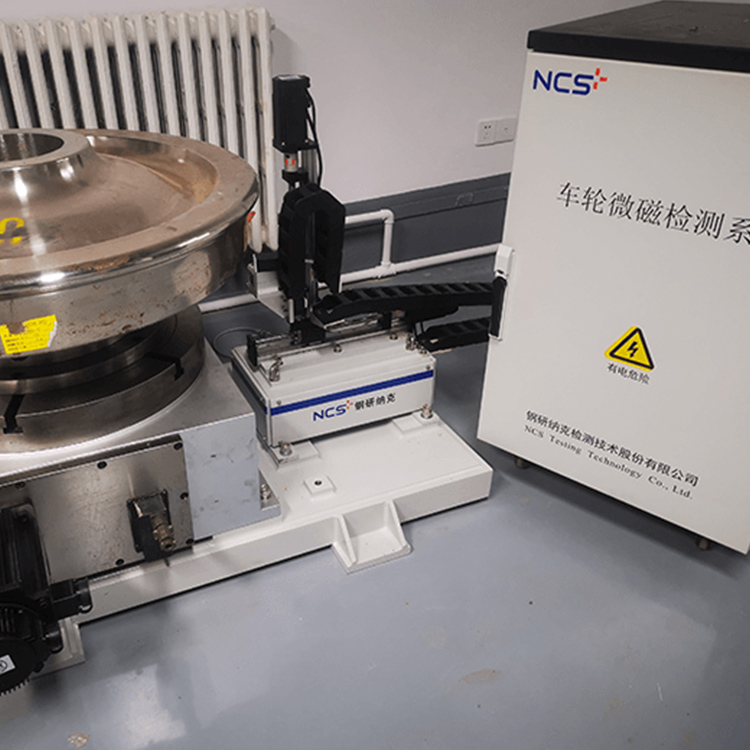
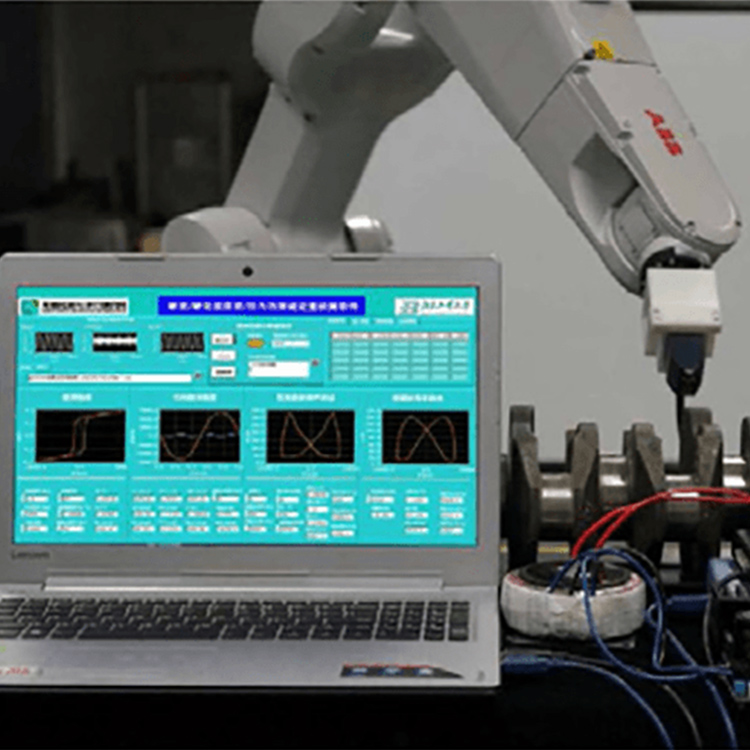
Product Details:
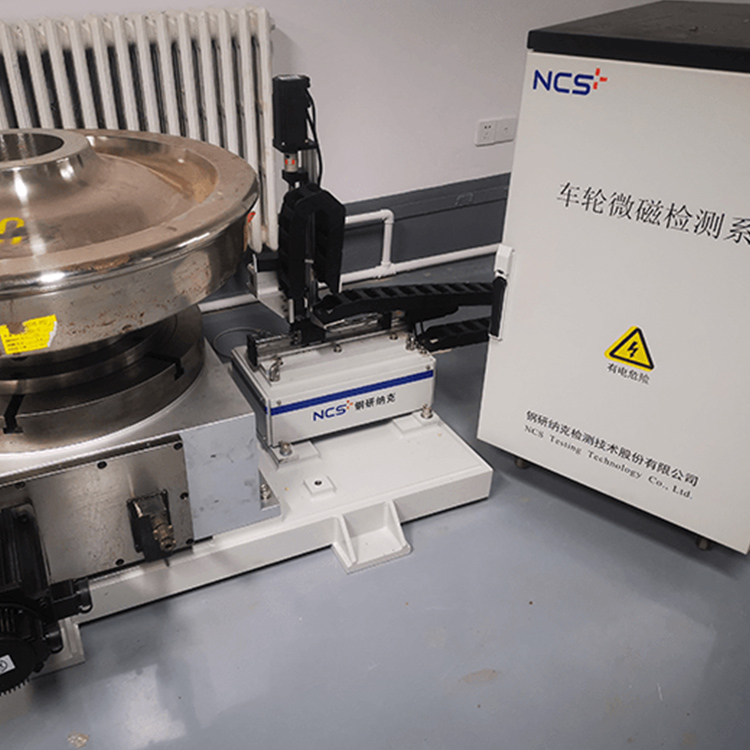
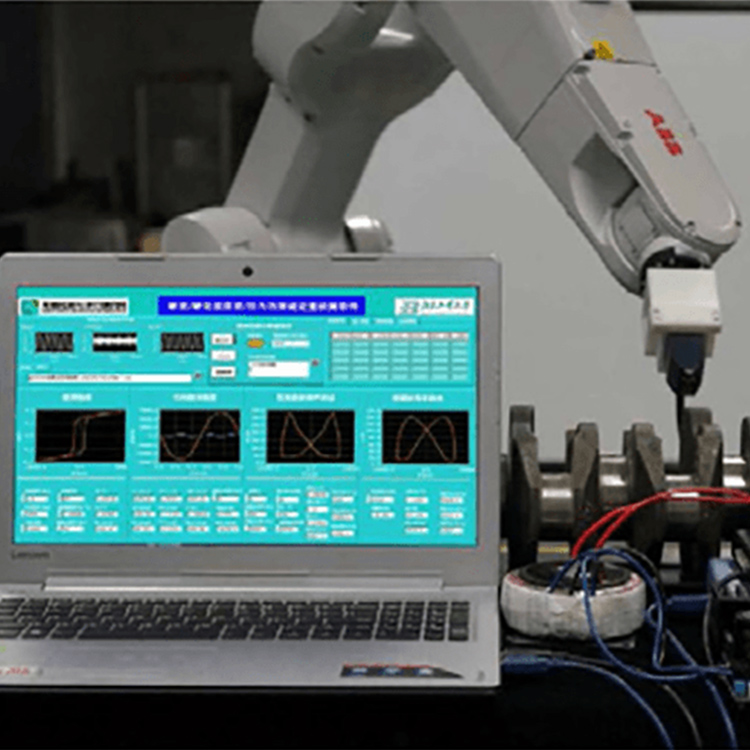
The equipment can measure various magnetic signals such as magnetostriction Barkhausen noise, tangential magnetic field, incremental magnetic permeability, multifrequency eddy currents, and hysteresis loops, and can extract over 40 characteristic magnetic parameters from the multi-type signals obtained from the measurements.
Automated detection parameters: Speed up 20 times/s
Accuracy of mechanical property index testing: Primarily depends on calibration data of experiments, model uncertainty, and probe consistency.
Micro-magnetic Detector Excitation Frequency Range: Magnetization Frequency: 20Hz~1kHz; Eddy Current Frequency: 10kHz~500kHz
Sampling Rate: High at 40 MS/s
Power Supply: 220VAC, 50Hz
Battery-Powered: Supports portable lithium-ion battery power, continuous operation time > 2 hours
Ambient Temperature: 5~45℃
Relative Humidity: <80%
Protection Level: Sensor: IP30; Instrument Main Unit: IP40
Working Noise: <75dB
Product Introduction:
The bidding equipment is based on specific calibration experiments, establishing appropriate models that can quantitatively and indirectly characterize the surface hardness, depth of hardening/carbonization, residual stress, yield strength, elongation, plastic deformation, retained austenite, impact work, toughness-ductility transition temperature, and fracture toughness of ferromagnetic materials.
Product Features:
Basic control and detection parameter settings of the instrument are solidified in the form of a configuration file. Supports importing new configuration files to accommodate different test materials.
2. Signal display inspection, automatic magnetic parameter extraction, and data storage
3. Automatic modeling of quantitative predictive test metrics, display of prediction results.
4. Export function for test setup data and raw data in Excel file format.
5. Software data interfaces for secondary development (such as supporting MATLAB data access and machine learning algorithm development).


