

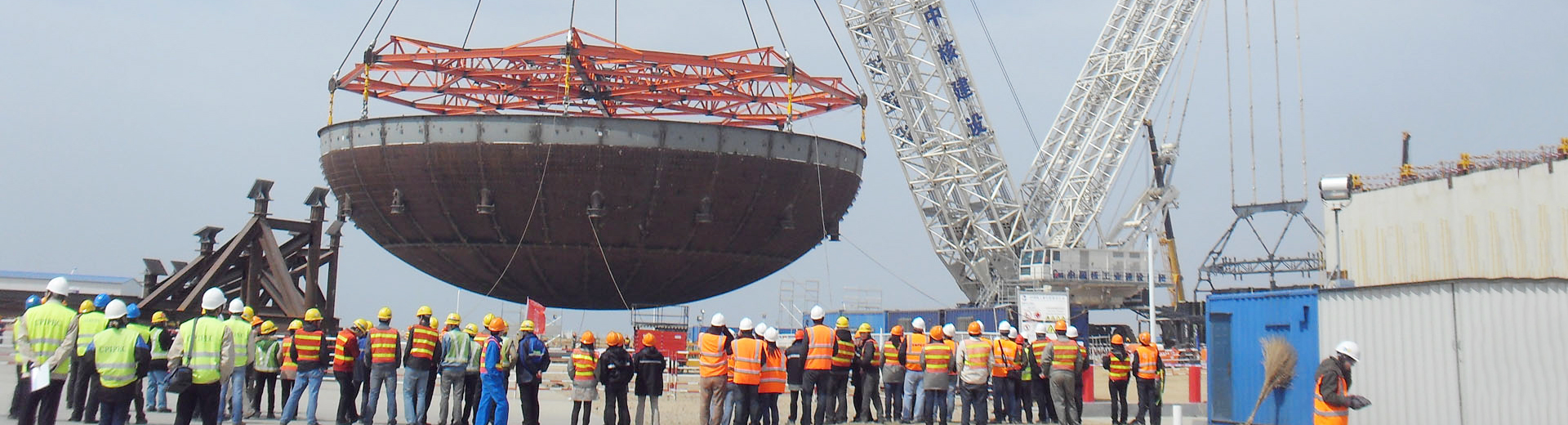
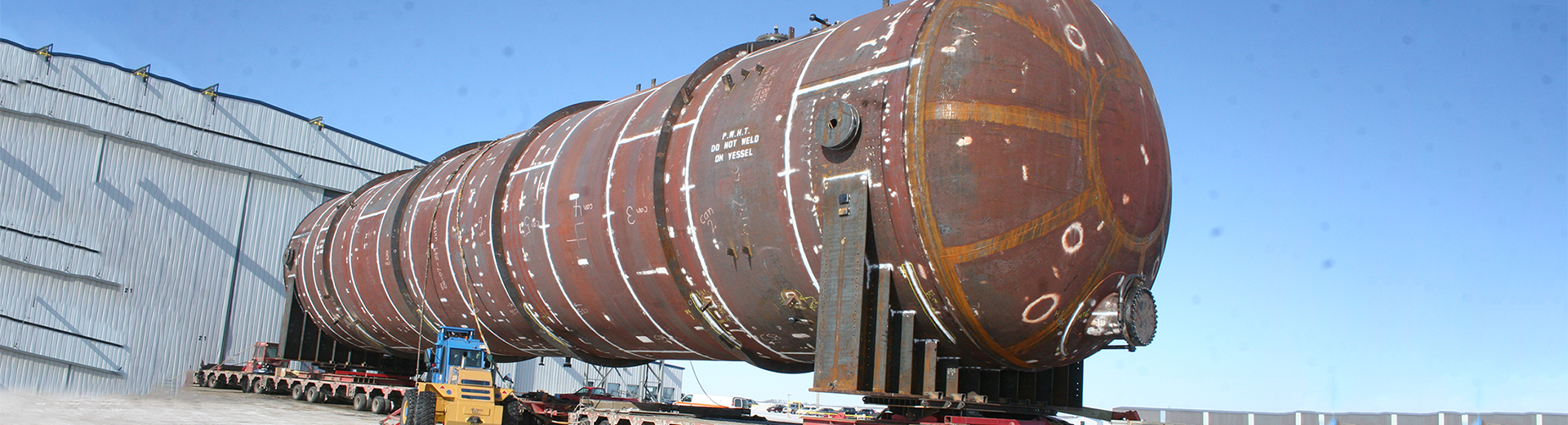
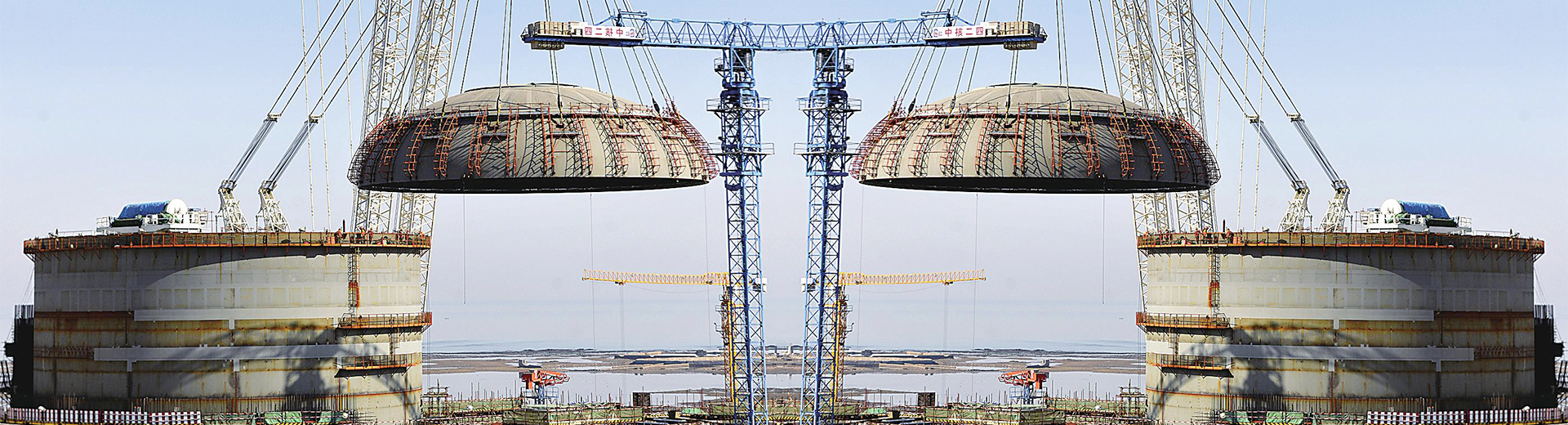
During the manufacturing process, stainless steel caps must undergo acid washing as the protective layer on the surface of the stainless steel is inevitably damaged. The lifespan of such caps is generally not particularly long. Therefore, acid washing the stainless steel caps is necessary to extend their service life and improve their mechanical properties during use.
After acid pickling our stainless steel caps, a protective film forms on the surface with excellent denseness, which can serve as a protective layer. Moreover, it must be passivated to enhance the protective film's corrosion resistance.
When purchasing stainless steel flanges, be sure to check if they have been pickled and passivated. Only then can the stainless steel flanges we buy be used more effectively and have a longer lifespan.
Additionally, during the manufacturing of caps, it is crucial to control the temperature and determine if surface heat protection is needed based on the situation. Adequate allowance should be made for removing the oxide layer on the cap surface when necessary. Caps can be formed using methods such as cold or hot stamping, cold or hot spinning, cold or hot rolling, depending on the type, specification, and material of the cap; they can also be formed in sections and then assembled and welded. The atmosphere within the heating furnace should be neutral or slightly oxidizing, and the heating flame should not come into direct contact with the workpiece.
During the aluminum head forming process, the manufacturer determines whether surface high-temperature protection is required based on the situation. Adequate allowance should be made to remove the oxide layer on the head surface if necessary. The heating temperature should generally not exceed 420 degrees, and it is not suitable to continue hot forming when the part temperature drops below 300 degrees.
Titanium flanges should preferably be formed using hot forming, with a molding temperature of approximately 300-400 degrees. During high-temperature hot forming, the workpiece heating temperature can be raised to around 650 degrees, but should not exceed 800 degrees. The heat treatment temperature after cold forming should be between 100-350 degrees.
