
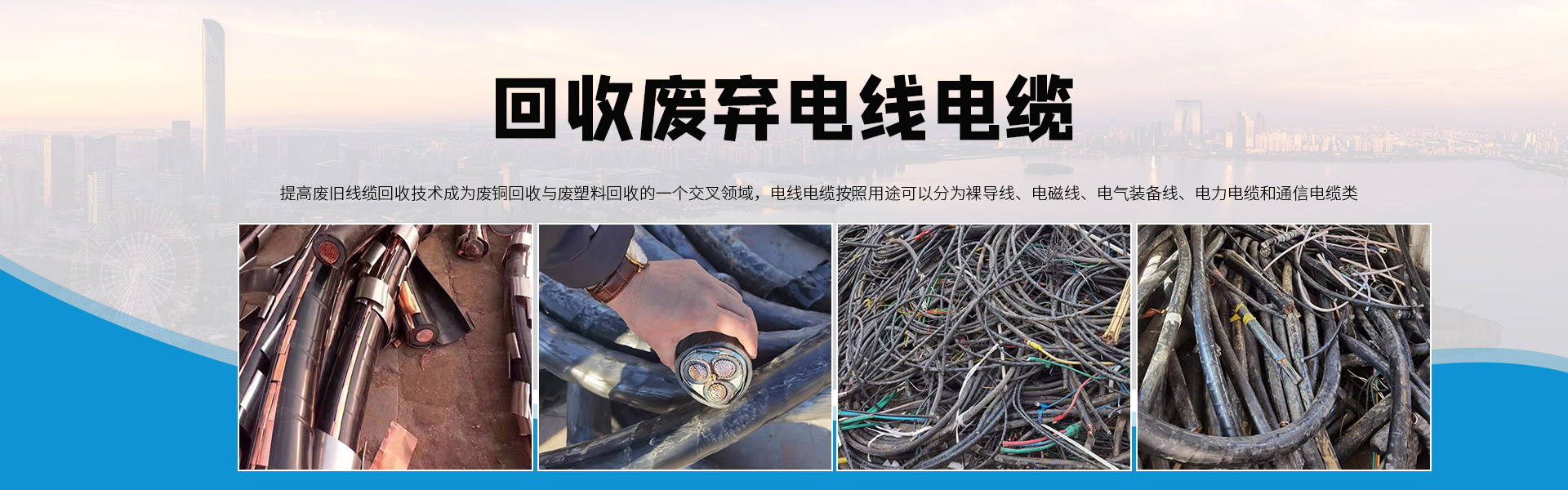
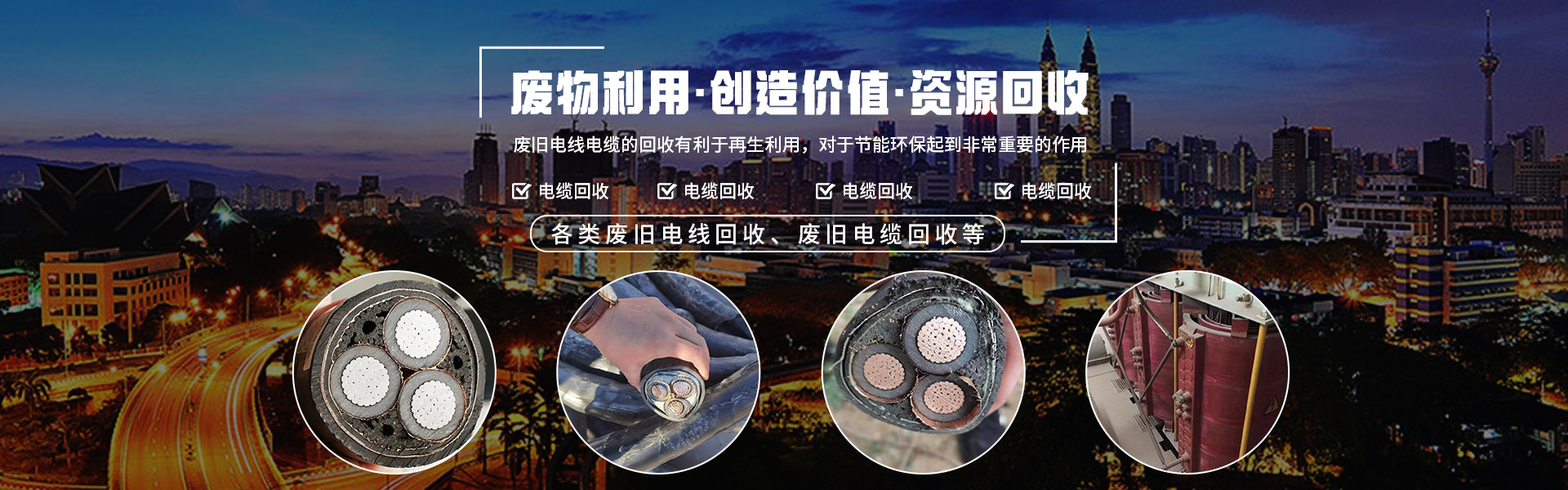
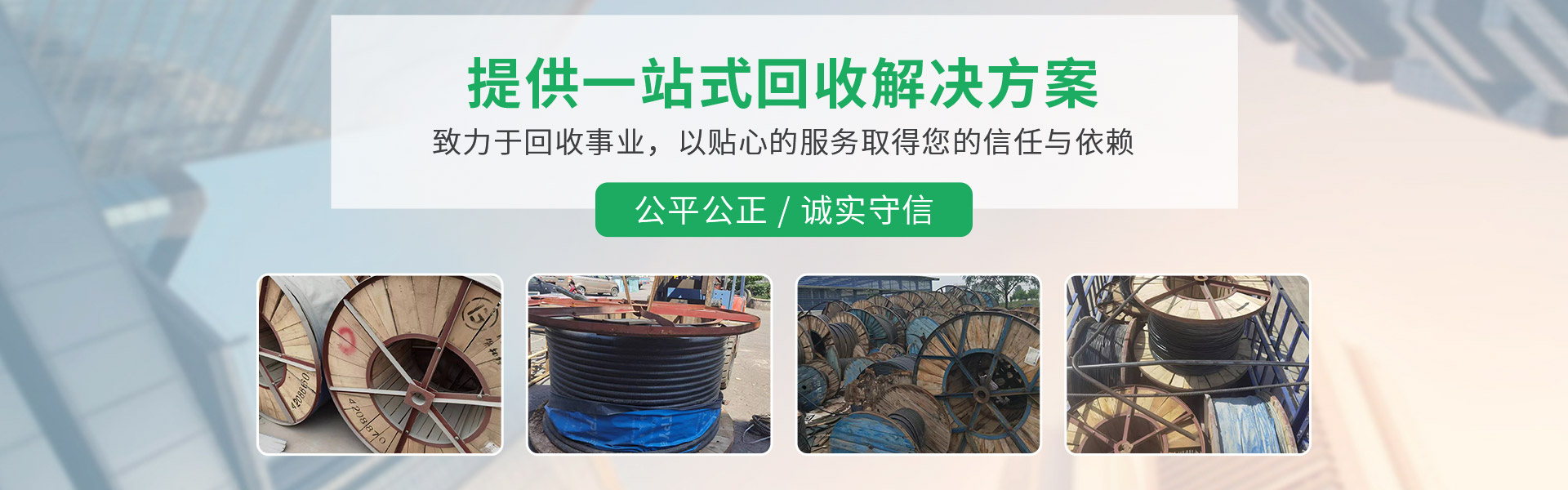


China's per capita resource ownership is not optimistic today, even posing a threat to the survival and development of future generations. This necessitates adhering to the core concept of the scientific outlook on development, people-centered approach, and resource conservation. With technological advancement and societal development, the demand for cables has surged, yet underlying issues such as resource waste are not to be overlooked. Undoubtedly, the recycling of waste cables is a crucial step in resource conservation.
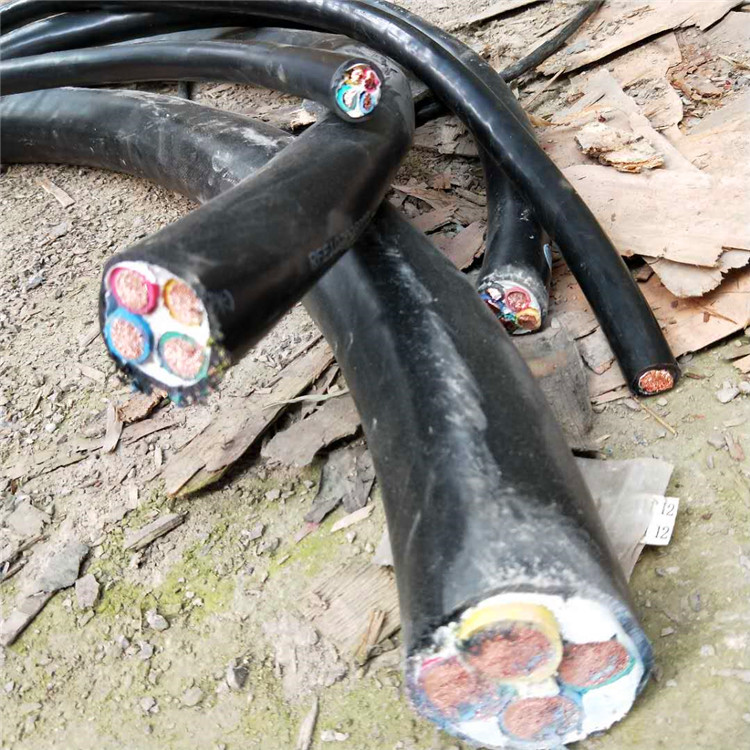
Waste Cable Wire Recycling Equipment: Primarily used for processing waste communication wires, automotive wires, computer cables, telephone lines, and home appliance wires, which are oil-free. Due to the copper granules being separated resembling rice grains, it is also referred to as the "Copper Rice Machine." It is currently a better equipment for the reuse of waste cables and wires.

Next, let's discuss the various methods for recycling and reusing scrap cables?
Section 1: Chemical Method
This method involves dissolving the insulation of废旧电缆 to achieve separation of the copper wire from the insulation. The advantage of this method is that it yields excellent copper wire, but the drawback is that the treatment of the solution is quite difficult, and the cost of the solvent is high.
Section 2: Refrigeration Method
This method uses liquid nitrogen as the refrigerant to make the waste cables脆 at extremely low temperatures, then separates the plastic sheath from the copper wire segments through crushing and shock. However, the drawback of this method is that it is expensive and difficult to industrialize production.
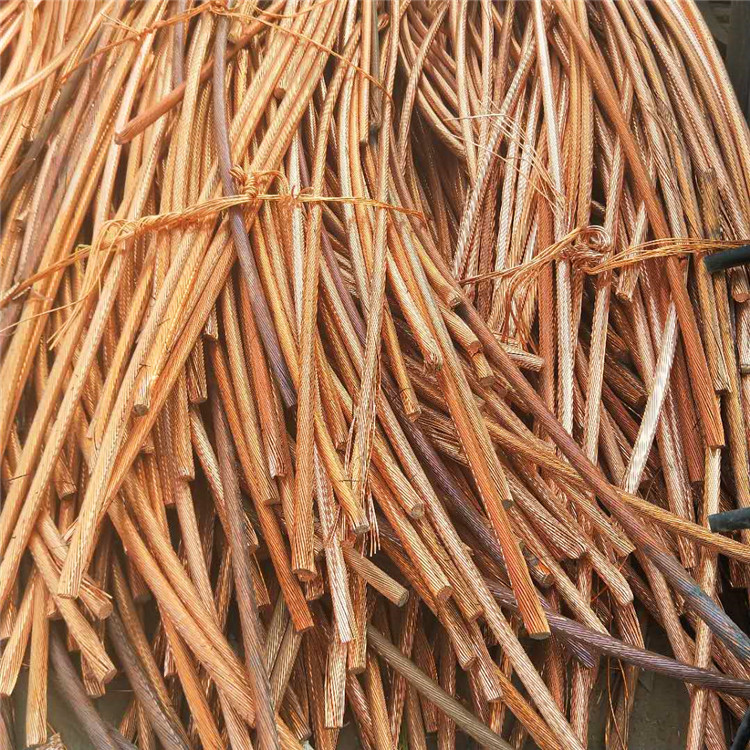
Now, with the continuous development of technology, we must use technology to solve production challenges. Cables and wires are consumables in economic development, and the equipment for crushing and recycling used cables and wires has also promoted the development of China's circular economy, making an indelible contribution to societal progress.
