


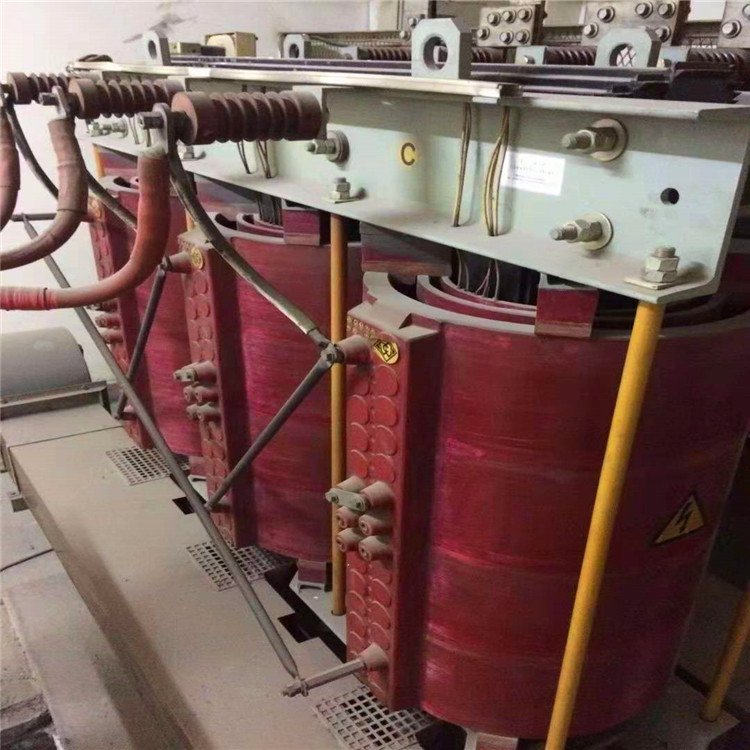
Cables and wires are categorized by their insulating materials.
1. Oil-impregnated paper insulated power cables are power cables insulated with oil-impregnated paper. They have a long history of application. They are safe, reliable, have a long service life, and are inexpensive. Their main drawback is that laying is limited by altitude differences. Since the development of non-dripping impregnated paper insulation, the altitude difference issue has been resolved, allowing oil-impregnated paper insulated cables to continue to be widely used.
2. Plastic insulated power cables are cables with an insulation layer made of extruded plastic. Common plastics include polyethylene and cross-linked polyethylene. The structure of plastic cables is simple, easy to manufacture and process, lightweight, and easy to lay and install without being restricted by the drop in laying. Therefore, they are widely used as medium and low voltage cables and are trending towards replacing adhesive impregnated paper-insulated cables. However, their major drawback is the presence of tree-like breakdown phenomena, which limits their use at higher voltages.
3. The rubber-insulated power cable insulation is made by rubber combined with various additives, which, after thorough blending, is extruded and wrapped around the conductor core. It is then cured through heating. The insulation is soft, elastic, and suitable for applications with frequent movement and small bending radii.
Commonly used insulating materials include natural rubber-styrene butadiene rubber blends, ethylene propylene rubber, butyl rubber, etc.
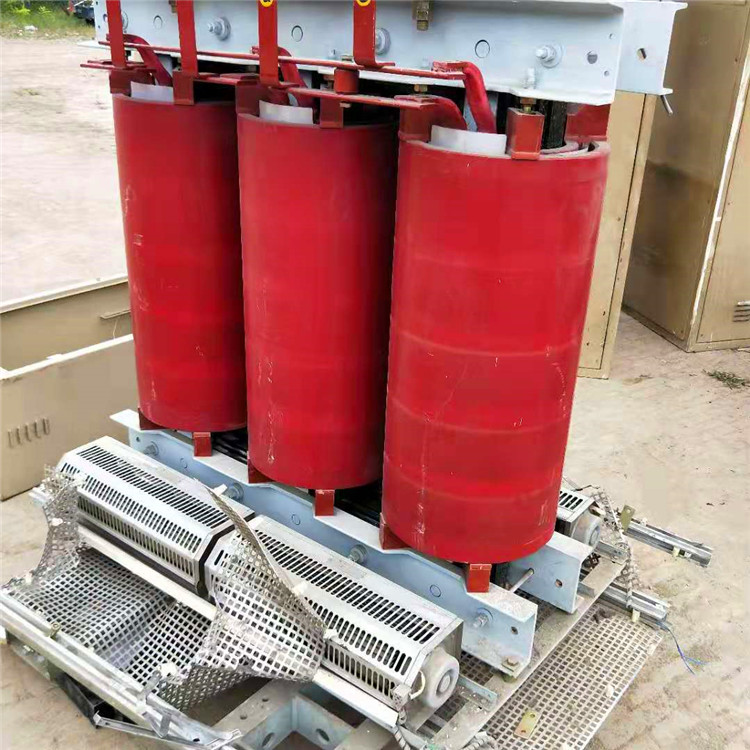
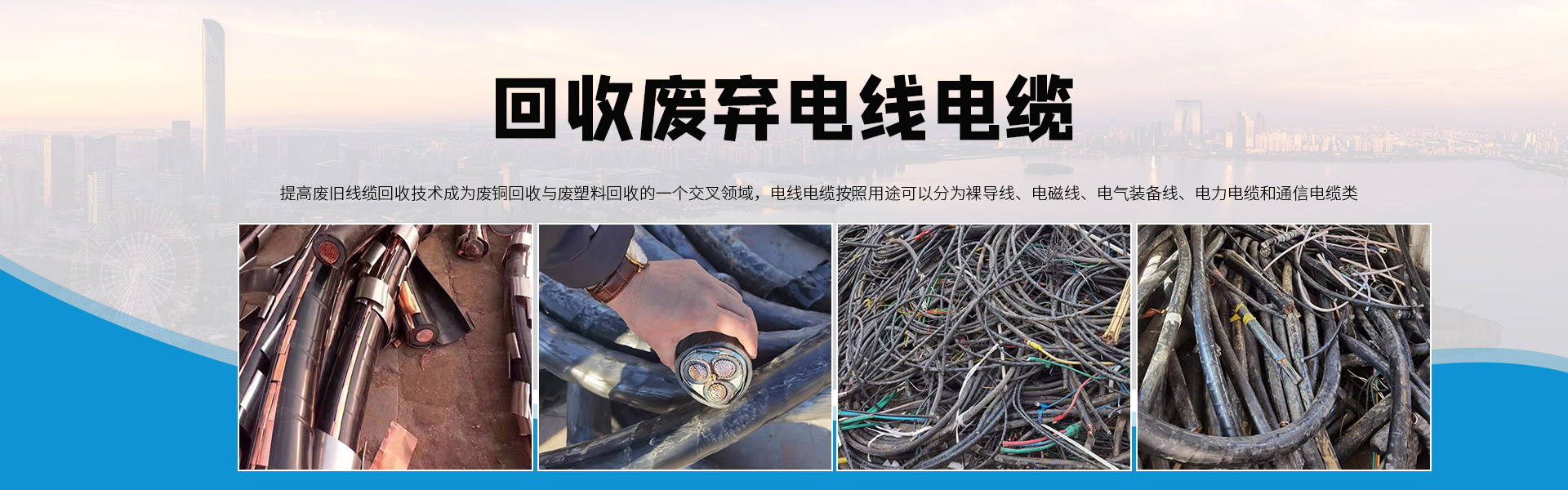
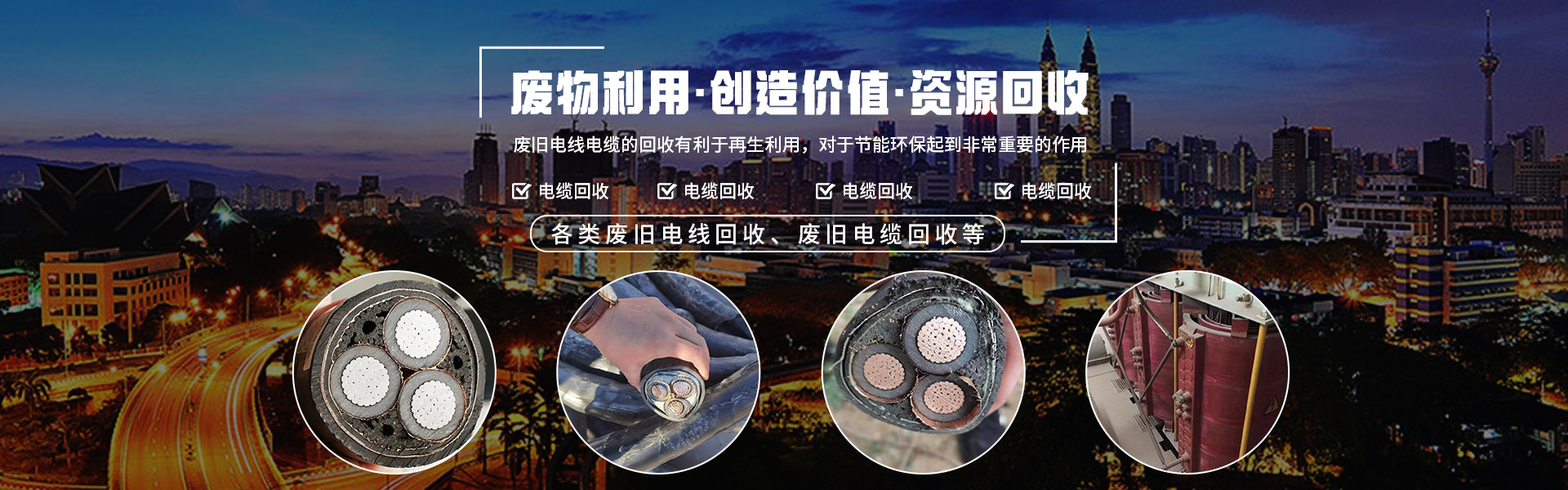
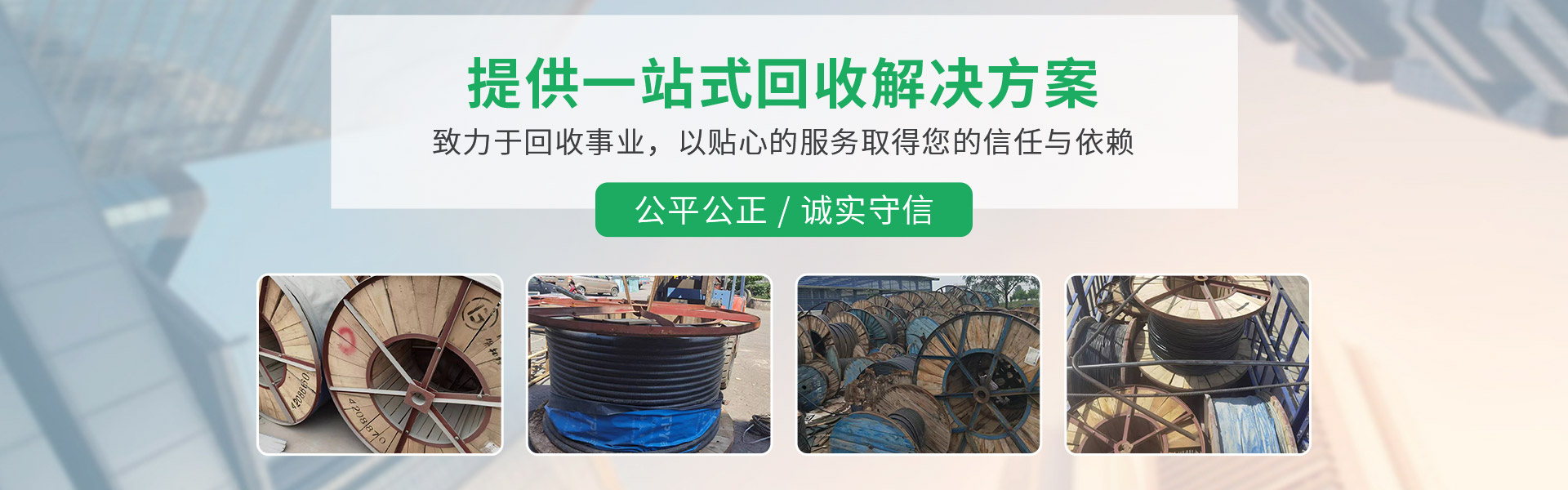
Recycled Cable Waste
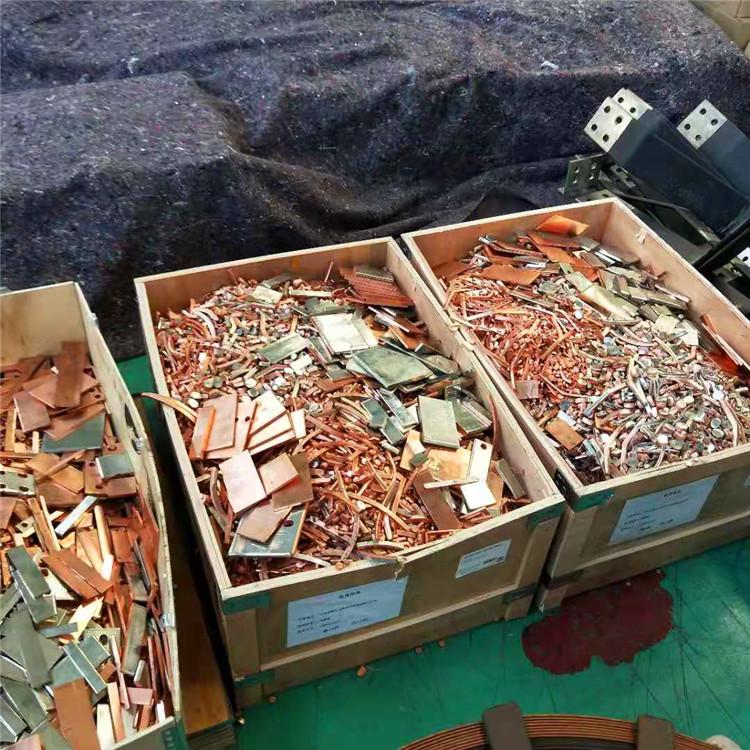
Cables that are unable to be used normally are classified as scrap. Some cables are returned to the manufacturer for repair and replacement, while others that cannot be replaced are typically processed as scrap copper. These are then purchased and processed by local scrap material recyclers, who strip the cables for copper recovery. The recovered copper is sent to copper mills for cable or other copper product manufacturing, or it is directly refined into copper ingots.
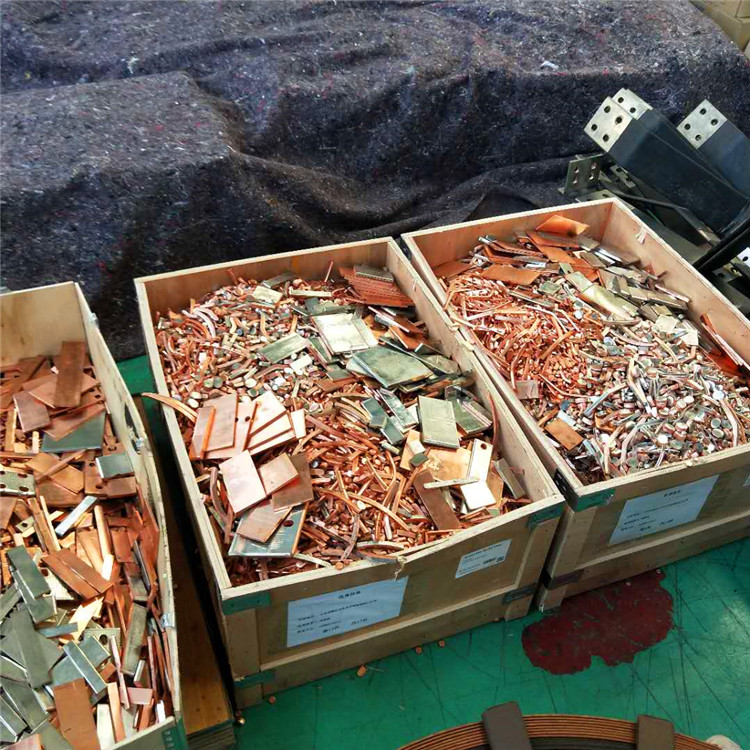
The regeneration process for recycled cables is simple. First, the collected scrap copper is sorted. Uncontaminated scrap copper or copper alloys with the same composition can be melted and reused directly. Heavily contaminated scrap copper requires further refining to remove impurities; for mixed copper alloy scrap, melting is necessary followed by composition adjustment. The recovered cables, after such regeneration, maintain their physical and chemical properties, ensuring a complete rejuvenation.
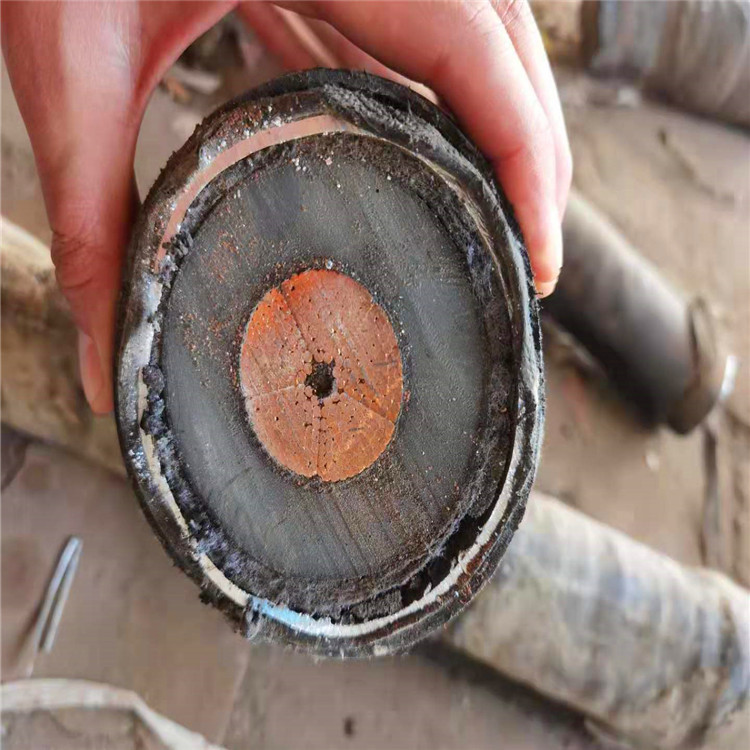
Recycling old cables and wires allows non-functional cables to have a broader application value. It significantly aids in the production of household appliances like refrigerators and fans, and greatly promotes the manufacturing of various components and electrical products. Moreover, in many automotive manufacturing processes, recycled cables can play a more powerful role and offer advantages. Thus, the use of these materials enhances the convenience of daily life.
